The US testing guide · verified October 12, 2026

Every test your home might need

Thirteen tests, from radon and lead paint to the blower door and Manual J. For each one: what it finds, the federal standard or threshold behind it, who does it, and the state rules that change the answer. Every number links to its official source.

The screener takes about a minute and runs in your browser; your answers aren’t stored or sent anywhere.

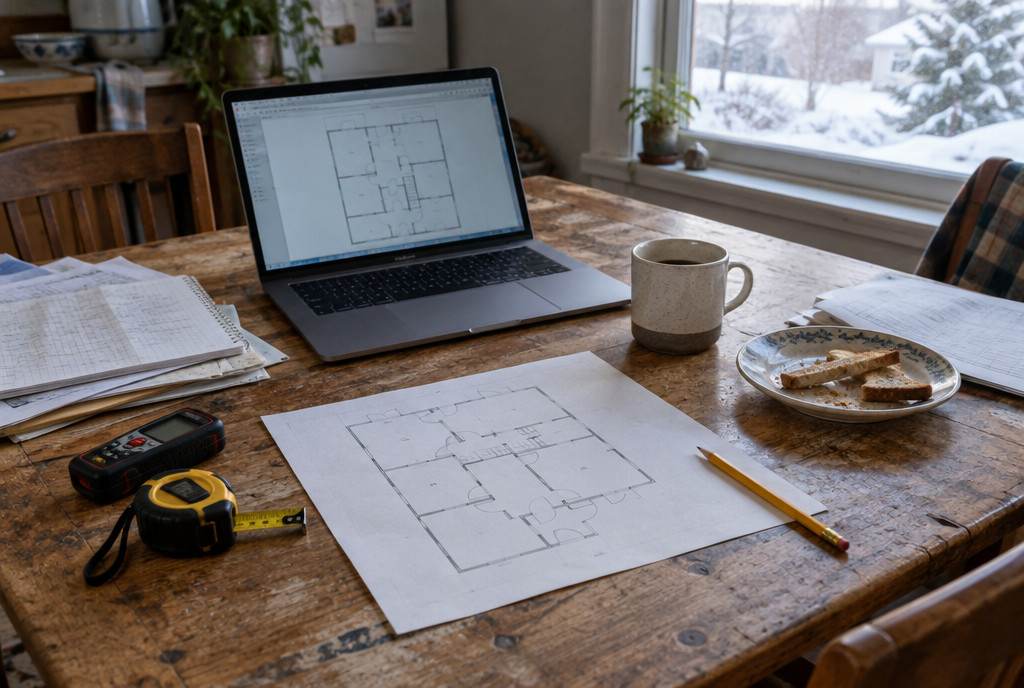
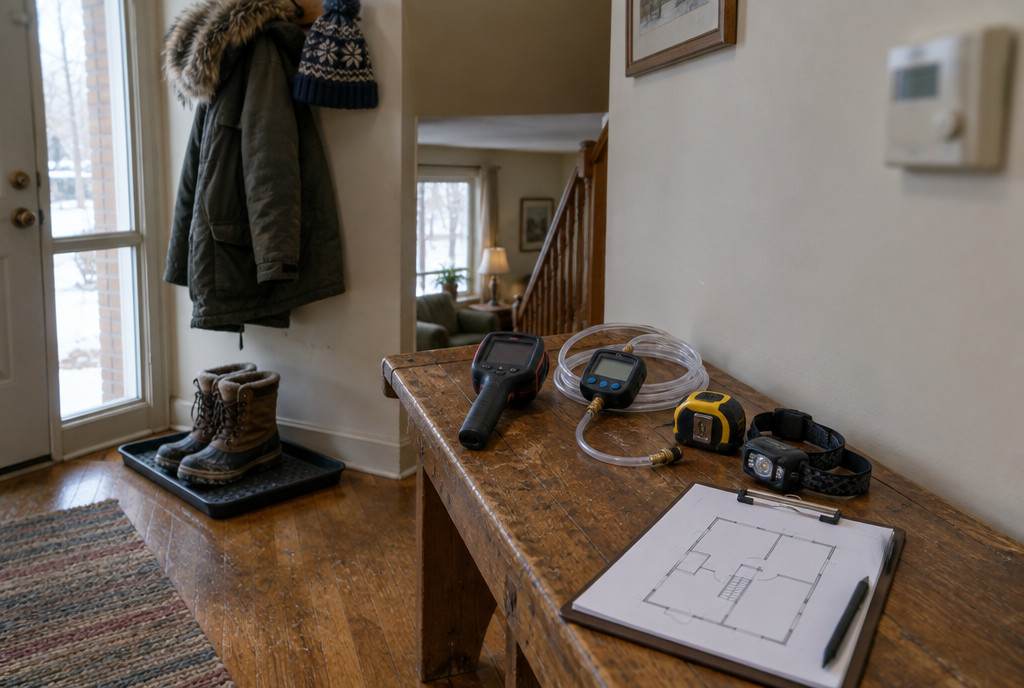
An energy advisor’s kit on a front-hall bench: infrared camera, pressure gauge with tubing, tape measure, headlamp and a floor sketch

Health & safety Home health

A standard energy audit doesn't cover these. Each has its own federal guidance and, in many states, its own license or certification.

Not sure which of these apply to your home?

Year built, location, water source, fuel and a few symptoms are enough to sort it out.

Run the screener →

Energy Energy performance

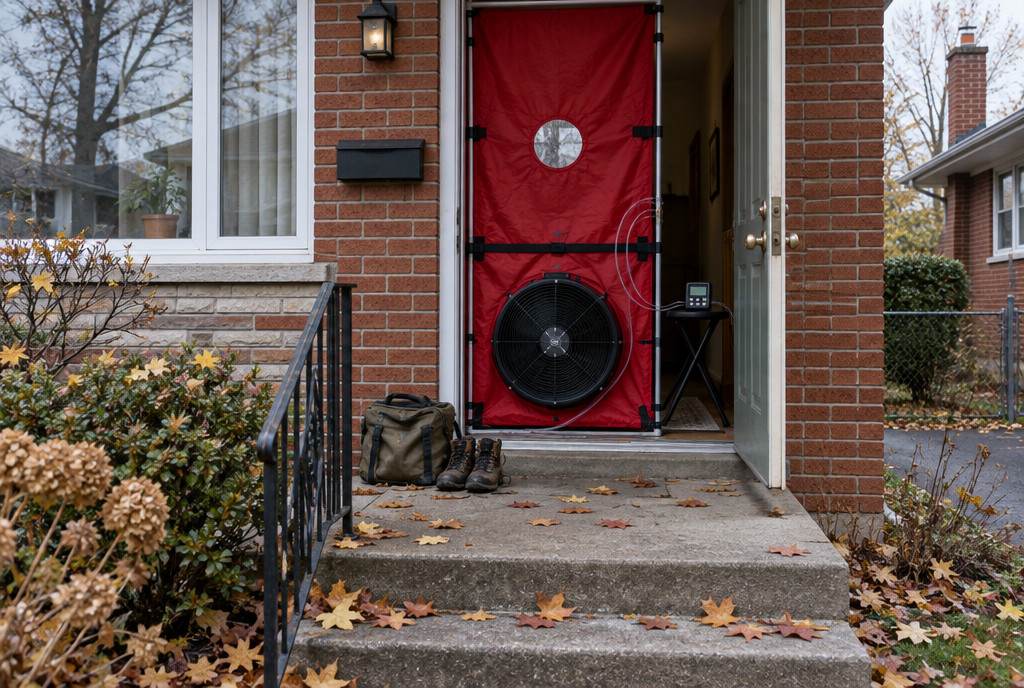
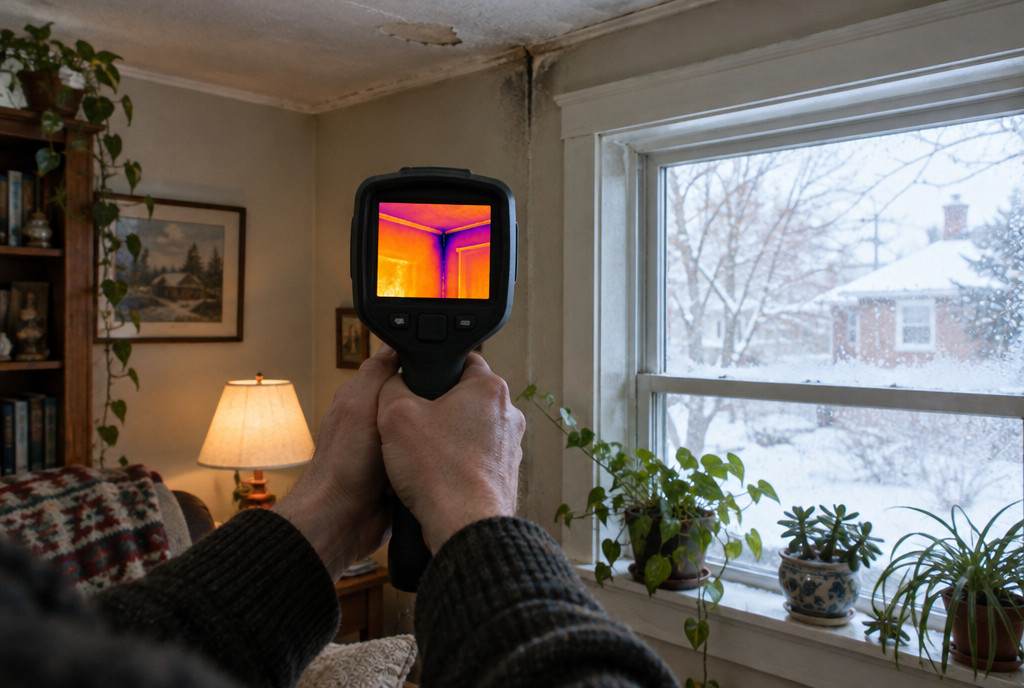
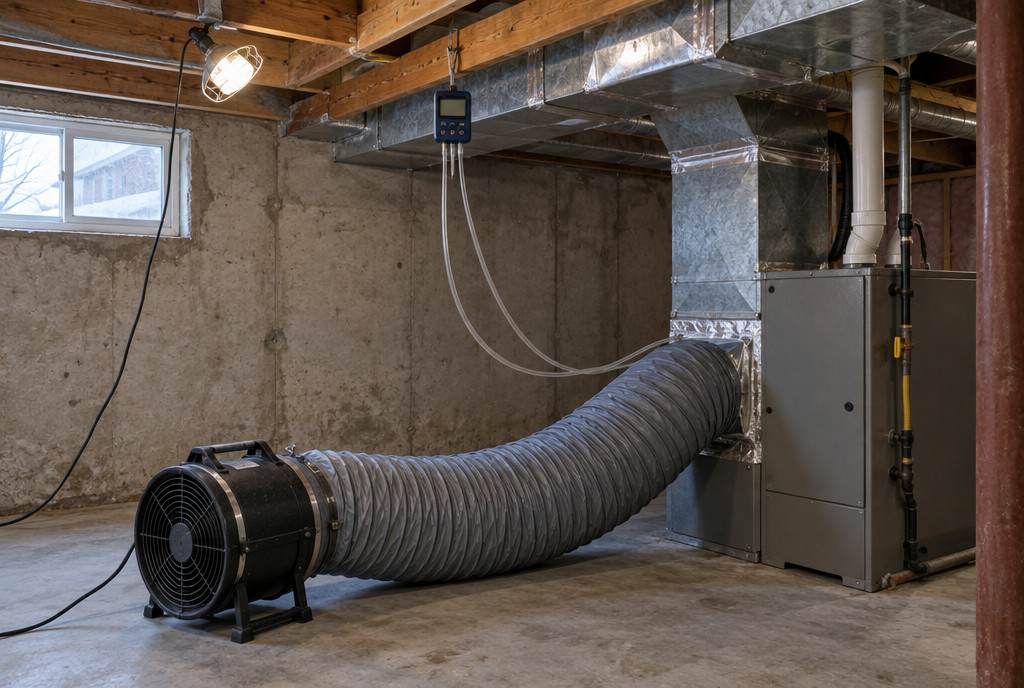
These measure how your home uses and loses energy. DOE says many professional assessments include a blower door test and an infrared scan; ask for the others by name.

A sensible order

  1. Start a radon test now

    EPA says every home should be tested, and its first step is a short-term test of 2 to 90 days. Radon guide

  2. Check your CO alarms today

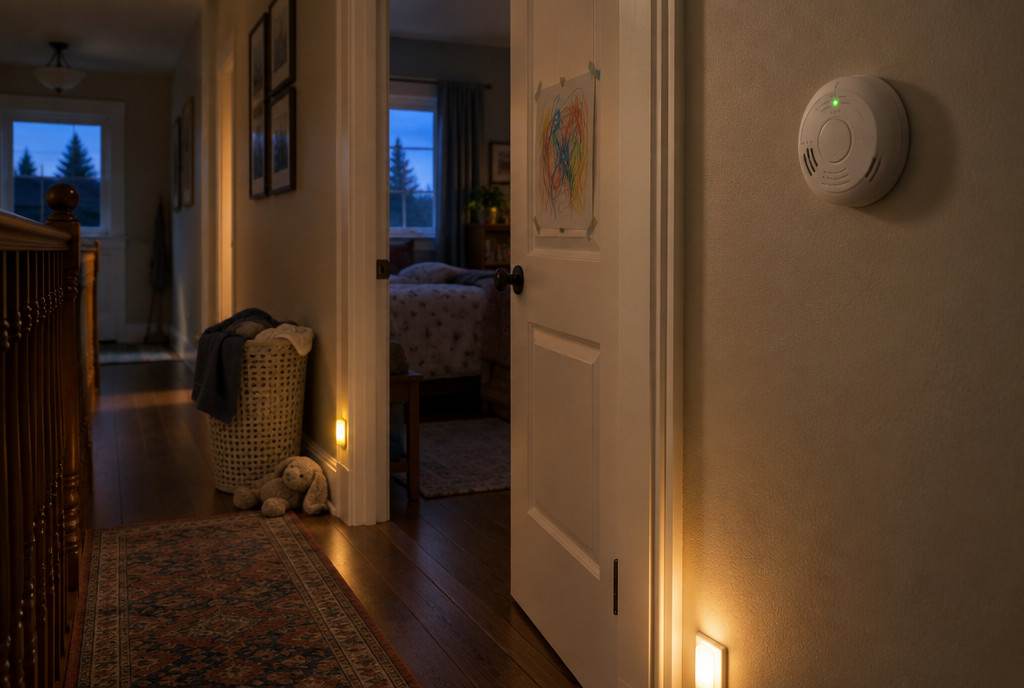
    CPSC recommends one on every level and outside sleeping areas, replaced at the age given in the product literature. CO guide

  3. Before any work in an older home, check for lead and vermiculite

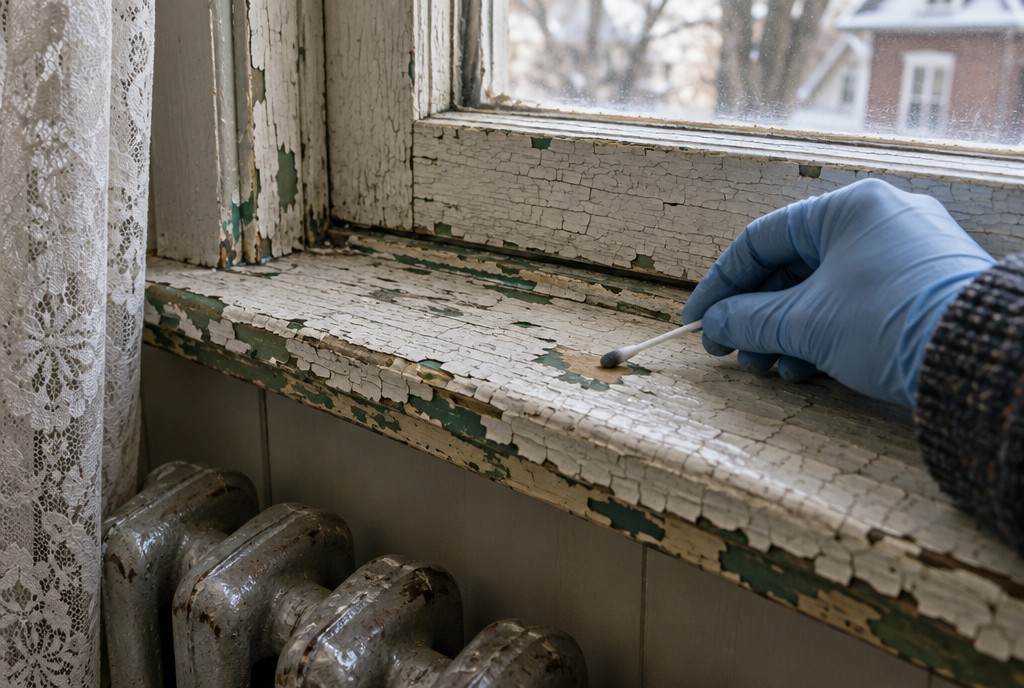
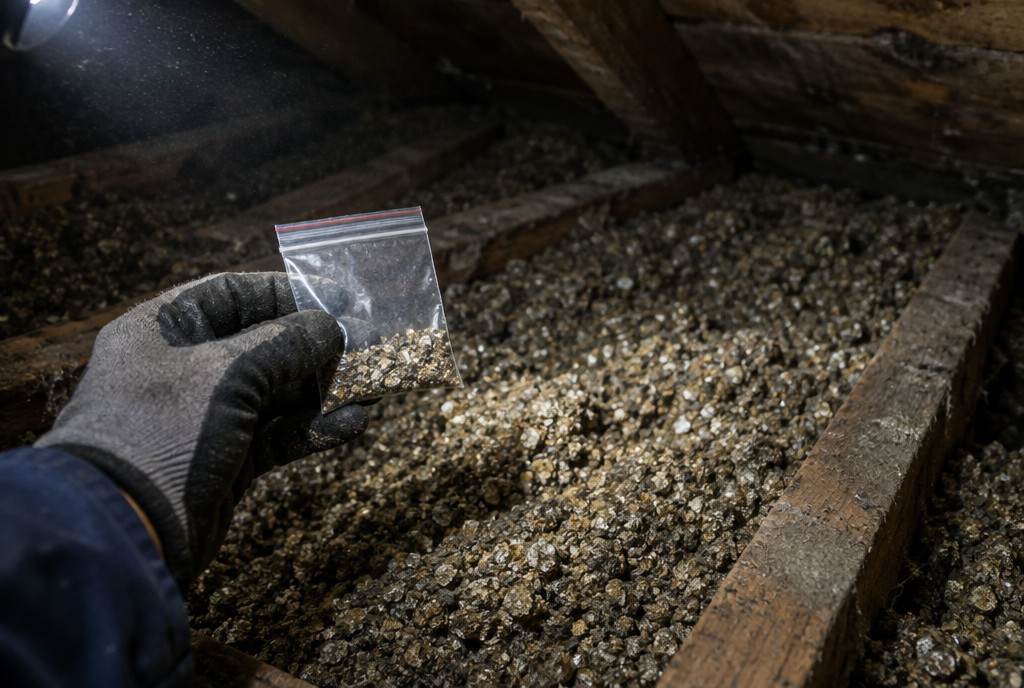
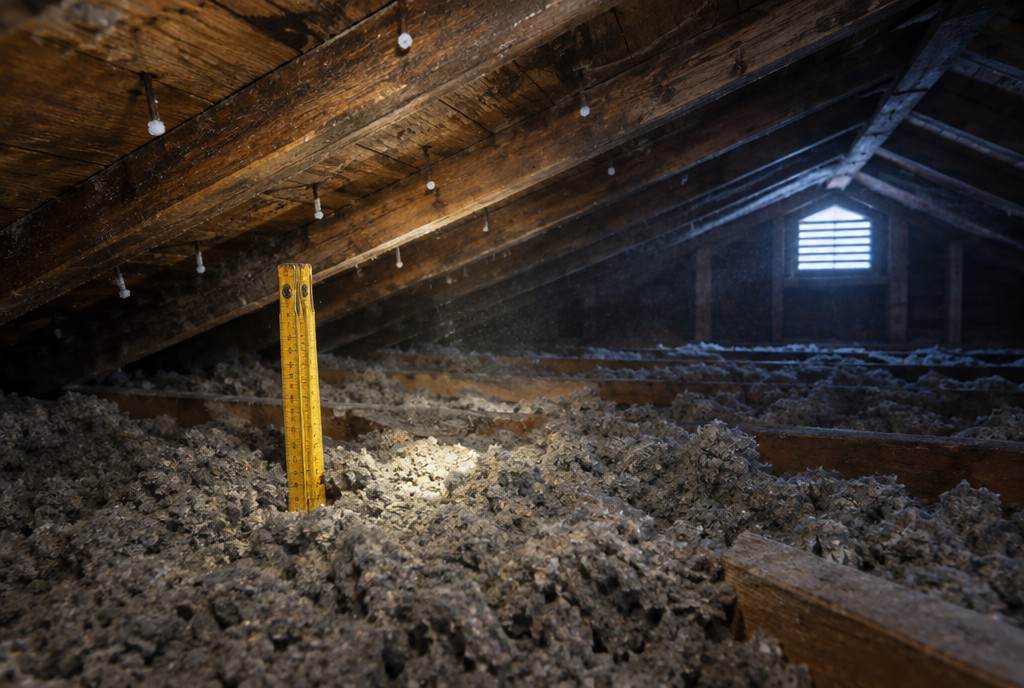
    Built before 1978? Most paid work that disturbs paint needs a lead-safe certified firm. Vermiculite in the attic? EPA says leave it undisturbed. Lead · Asbestos and vermiculite

  4. Book the energy assessment and ask for tests by name

    DOE says many assessments include a blower door test and an infrared scan. Add duct testing, and a Manual J if new equipment is on the way. Blower door · Manual J

  5. Pair air sealing with combustion safety

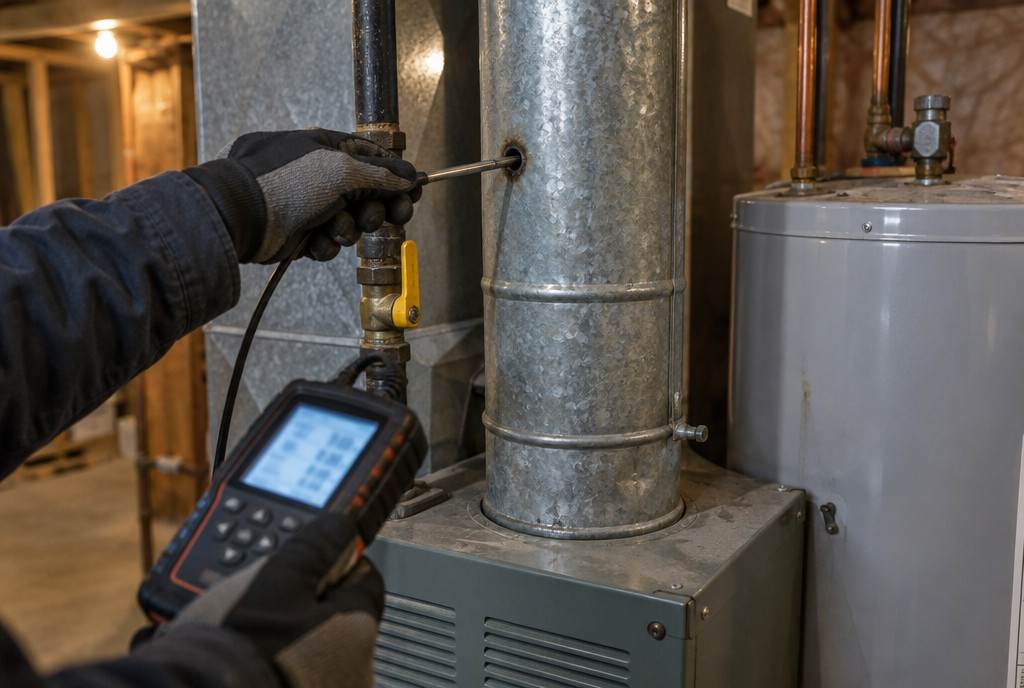
    DOE calls for combustion appliance zone testing in homes with natural-draft furnaces, boilers or water heaters, at the end of each workday of air sealing. Combustion safety

Sources: EPA radon guide ↗, CPSC ↗, EPA RRP ↗, EPA vermiculite ↗, DOE assessments ↗, DOE BASC ↗ · verified October 12, 2026

State rules at a glance

Twenty jurisdictions checked in full. “Yes” means a state law requires a license, certification or named credential (radon, mold) or requires CO alarms in at least some homes. Details and sources are in each guide’s state table.

Testing rules in 20 jurisdictions
State Radon credential Mold credential CO alarm law Lead programs run by
Arizona None found None found Not confirmed Renovation: EPA · Inspection & abatement: EPA
California Required None found Yes Renovation: EPA · Inspection & abatement: state
Colorado Required None found Yes Renovation: EPA · Inspection & abatement: state
District of Columbia Required Required Yes Renovation: EPA · Inspection & abatement: state
Florida Required Required Yes Renovation: EPA · Inspection & abatement: EPA
Georgia None found None found Yes Renovation: state · Inspection & abatement: state
Illinois Required None found Yes Renovation: EPA · Inspection & abatement: state
Maryland None found None found Yes Renovation: EPA · Inspection & abatement: state
Massachusetts None found None found Yes Renovation: state · Inspection & abatement: state
Michigan None found None found Yes Renovation: EPA · Inspection & abatement: state
Minnesota Required None found Yes Renovation: EPA · Inspection & abatement: state
Missouri None found None found Not confirmed Renovation: EPA · Inspection & abatement: state
New Jersey Required None found Yes Renovation: EPA · Inspection & abatement: state
New York None found Required Yes Renovation: EPA · Inspection & abatement: EPA
North Carolina None found None found Yes Renovation: state · Inspection & abatement: state
Oregon None found None found Yes Renovation: state · Inspection & abatement: state
Pennsylvania Required None found Yes Renovation: EPA · Inspection & abatement: state
Texas None found Required Not for homes Renovation: EPA · Inspection & abatement: state
Virginia Required Required Yes Renovation: EPA · Inspection & abatement: state
Washington None found None found Yes Renovation: state · Inspection & abatement: state

Sources: ELI radon database ↗, ELI mold database ↗, NCSL CO laws ↗, EPA RRP states ↗, EPA abatement states ↗ · verified October 12, 2026

Common questions

Which of these tests does every home need?

EPA says every home should be tested for radon, and CPSC recommends a carbon monoxide alarm on every level and outside sleeping areas. If your water comes from a private well, EPA says to test it every year for coliform bacteria, nitrates, total dissolved solids and pH. The rest depend on your home’s age, fuel, water source, symptoms and plans; the screener sorts that out.

Sources: EPA ↗, CPSC ↗, EPA ↗ · verified October 12, 2026

Can one professional do all of these tests?

Not necessarily, because the credentials differ: radon pros are certified by NRPP or NRSB, or licensed by the state where required; lead inspectors and risk assessors are certified by EPA or the state; asbestos professionals are accredited under state programs; some states license mold assessors and remediators; and well water goes to a certified lab. Energy auditors and RESNET HERS raters handle the energy tests. Ask any pro which of these they’re certified for.

Sources: NRPP ↗, EPA ↗, Environmental Law Institute ↗, RESNET ↗ · verified October 12, 2026

What is a HERS rating?

RESNET’s HERS Index rates a home against a computer-modeled reference home of the same size and shape. A home built to the 2006 IECC scores 100 and lower is better: 70 means 30% more efficient than the reference, 130 means 30% less efficient, and 0 means net zero energy. A certified RESNET HERS Rater does the rating; it’s calculated under ANSI/RESNET/ICC 301 and tested under 380, the airtightness standard.

Source: RESNET HERS Index ↗ · verified October 12, 2026

Can I still claim the federal tax credit for an energy audit?

Probably not for a 2026 audit. The IRS page says the Energy Efficient Home Improvement Credit (30% of qualified costs, up to $150 for a home energy audit of your main home) is allowed for qualifying property placed in service on or after January 1, 2023 and before December 31, 2025. That 2026 audits don’t qualify is our reading; the IRS page doesn’t address them directly.

Source: IRS ↗ · verified October 12, 2026

Where do the facts on these pages come from?

Official sources: EPA, CPSC, DOE and its national labs, the IRS, ENERGY STAR, ACCA, BPI, RESNET, ASTM, USGS, NCSL and state agencies and statutes. Every one was opened and checked on October 12, 2026, and each guide links its sources next to the numbers they support.

Sources

Every source below was opened and checked on October 12, 2026. Each guide lists the full set for its test, and state sources are linked in each guide’s state table.

Not sure which tests to book first?

Tell us your ZIP code, the year your home was built and what you’re planning. A person reads every message and replies with the certified pros and programs that serve your area.

A person replies by email. We don’t sell your details or share them with contractors. See our privacy note.