Gear guide · Air · updated October 12, 2026

Radon monitors & test kits

EPA recommends fixing a home when radon is 4 pCi/L or more, and considering a fix between 2 and 4. A lab-analyzed kit gives you that number: a short-term test first, then a long-term test (more than 90 days) for the year-round picture. A continuous digital monitor adds the trend, so you can watch levels move with the seasons and with renovation work, and check that a mitigation system keeps working.

Not sure this category applies to your home? The testing guide covers which tests matter. For the testing side, see the radon testing guide.

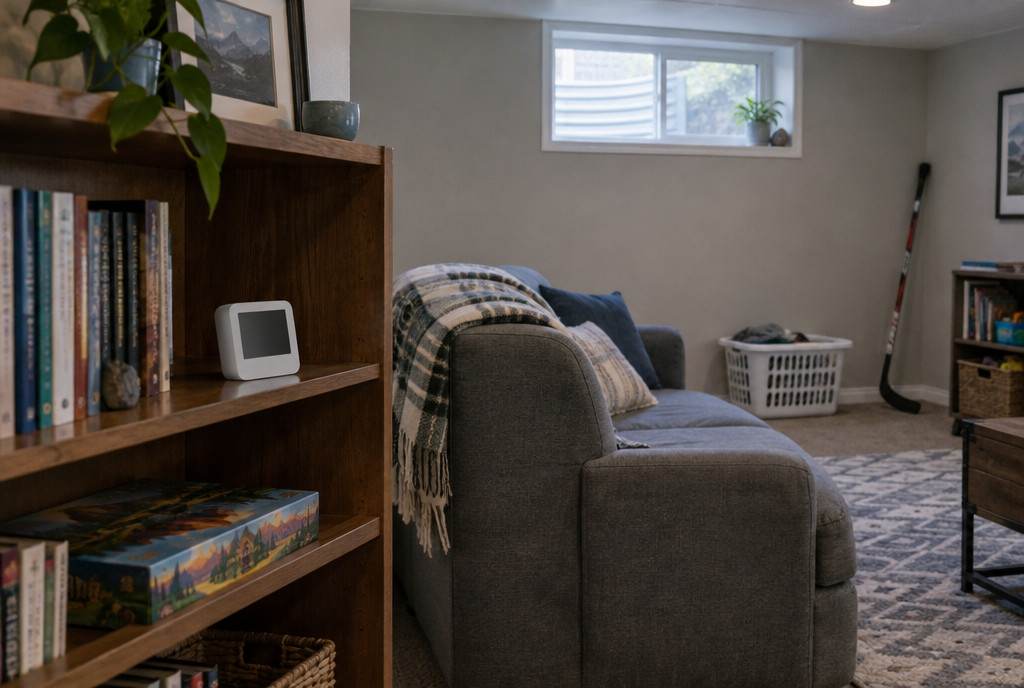
A small digital radon monitor on a bookshelf in a finished basement family room

Buttons open amazon.com search results. As an Amazon Associate, AuditYourHome earns from qualifying purchases, at no extra cost to you.

The year-round test

Long-term alpha-track test kit

A passive detector you leave in place for more than 90 days, then mail to the lab. EPA says long-term results better reflect your year-round average, and a long-term result of 4 pCi/L or more is EPA's signal to fix. Choose a kit analyzed by a lab listed with NRPP or NRSB, the two national radon proficiency programs.

The battery monitor

Airthings Corentium Home 2

Runs on two AA batteries and shows 24-hour, 7-day, 30-day and long-term averages, so it moves easily from room to room. The first average appears after a full day. Watch the long-term number; daily swings are normal.

The fast reader

Ecosense RadonEye

Updates every 10 minutes, so it shows a change within hours rather than days. That makes it the tool for seeing what air sealing or a new mitigation fan did to your levels.

Prices are rough US list prices from each maker's own website, checked October 12, 2026. Where we couldn't confirm a current US price, we left it off rather than guess. Amazon prices move and often run below list, so check the live listing.

Before you buy

  • EPA's steps: take a short-term test (2 to 90 days). If it reads 4 pCi/L or more, follow up with a long-term test or a second short-term test. Fix the home if the long-term result, or the average of the two short-term tests, is 4 pCi/L or more.
  • Placement, per EPA: the lowest lived-in level, in a room you use regularly (not a kitchen or bathroom), at least 20 inches above the floor, away from drafts, heat, humidity and exterior walls.
  • Check for low-cost kits first: some states give free or discounted kits, and Kansas State University's EPA-funded National Radon Program Services sells discounted ones.
  • Buying or selling a home? Hire a certified radon tester. Many states license radon testers, and EPA's sales guidance calls for steps to prevent or detect interference with the test.
  • Confirmed at 4 pCi/L or more? The next step is a quote from an NRPP- or NRSB-certified (or state-licensed) mitigator, not a bigger monitor. After mitigation, a continuous monitor is cheap insurance that the fan keeps working.

Some links here are affiliate links — as an Amazon Associate, AuditYourHome earns from qualifying purchases, at no extra cost to you. Picks are chosen on merit; no manufacturer pays for placement, and prices shown are planning bands, not quotes.

Also in gear guides: Indoor air quality monitors · Air purifiers (HEPA) · Carbon monoxide alarms