How Hamilton is built
- Before 1961 34%
- 1961–1990 35%
- 1991–2000 10%
- 2001 or later 21%
Why Hamilton homes get humidity problems
Hamilton gets about 3,449 heating degree-days a year and has a winter design temperature of −15.6°C, according to NRCan's HOT2000 climate data for Burlington Piers. On Hamilton's coldest days, window glass and poorly insulated corners get cold enough for condensation at humidity levels that feel normal indoors, so winter humidity needs to stay at the lower end of the comfortable range.
Of Hamilton's 167,240 houses (single-detached, semi-detached, row houses and duplexes), 34% were built before 1961 and 69% before 1991, according to the 2021 Census. Newer houses (21% of Hamilton's were built since 2001) are tight and usually have an HRV or ERV that needs balancing and cleaning. Older houses that get air-sealed can lose the accidental ventilation they used to rely on.
What the assessment measures
- Relative humidity in living areas and the basement.
- Actual airflow from bath and kitchen fans, and whether they vent outside rather than into the attic.
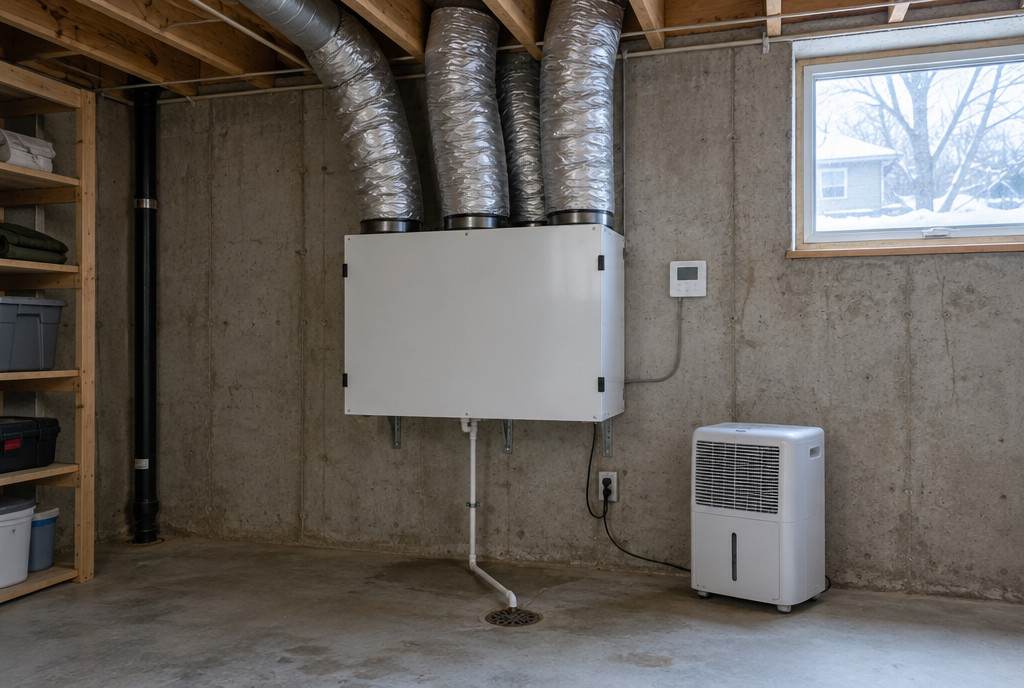
- How much fresh air the house gets, and whether an HRV or ERV is balanced.
Related tests in Hamilton
NRCan-licensed service organizations serving Hamilton
Advisors assess ventilation and humidity as part of an evaluation and check that exhaust fans actually vent outside. Sizing an HRV or ERV may be extra.
Only assessments from the seven HRSP-approved organizations qualify for the $600 Home Renovation Savings rebate and its assessment-path upgrade rebates; each listing below says whether it's one of them.
- Acacia Engineering HRSP-approved: No
- All Season Inspection HRSP-approved: No Profile
- AmeriSpec HRSP-approved: Yes Profile
- Ecostep Energy Services HRSP-approved: No
- Energy Werx HRSP-approved: Yes Profile
- EnerSolution HRSP-approved: No Profile
- Engreen Home HRSP-approved: No
- ER Energy Solutions HRSP-approved: No
- Greenbrain HRSP-approved: Yes Profile
- Sensible Home Inspections HRSP-approved: No
- Verdatech Energy Management and Consulting HRSP-approved: No
- Air Barrier Canada HRSP-approved: No
- BEST Energy and Sustainability HRSP-approved: No
- CoEfficient Building Science HRSP-approved: No
- EnerQuality HRSP-approved: No
- F2 Energy HRSP-approved: No
- Green Canada Home Advisors HRSP-approved: No Profile
- The Energuy HRSP-approved: Yes Profile
- GETS Energy HRSP-approved: No
- Clean Energy Solutions HRSP-approved: No
- Enerhold Engineering Solutions HRSP-approved: No
- ecoGEO Energy HRSP-approved: No
Programs in Hamilton
Ventilation and humidity assessment in Hamilton: common questions
HRV or ERV?
Both bring in fresh air and recover heat. An ERV also transfers some moisture, which helps keep very dry winter air from getting drier; an HRV suits houses that tend to run humid.
Why did condensation appear after we got new windows?
Tighter windows cut accidental air leakage, so humidity builds up. The fix is usually controlled ventilation, not leakier windows.
Is a ventilation assessment part of an EnerGuide evaluation in Hamilton?
Advisors assess ventilation and humidity during the evaluation; HRV or ERV sizing may be an extra service.