Article · verified October 2, 2026
Energy audit services in Toronto: homes, buildings, and who does what
"Energy audit" means three different services in Toronto, performed by three different kinds of professionals, under three different standards. Hiring the wrong one wastes months. Here's the whole map — residential, commercial, and the reporting the province already requires.
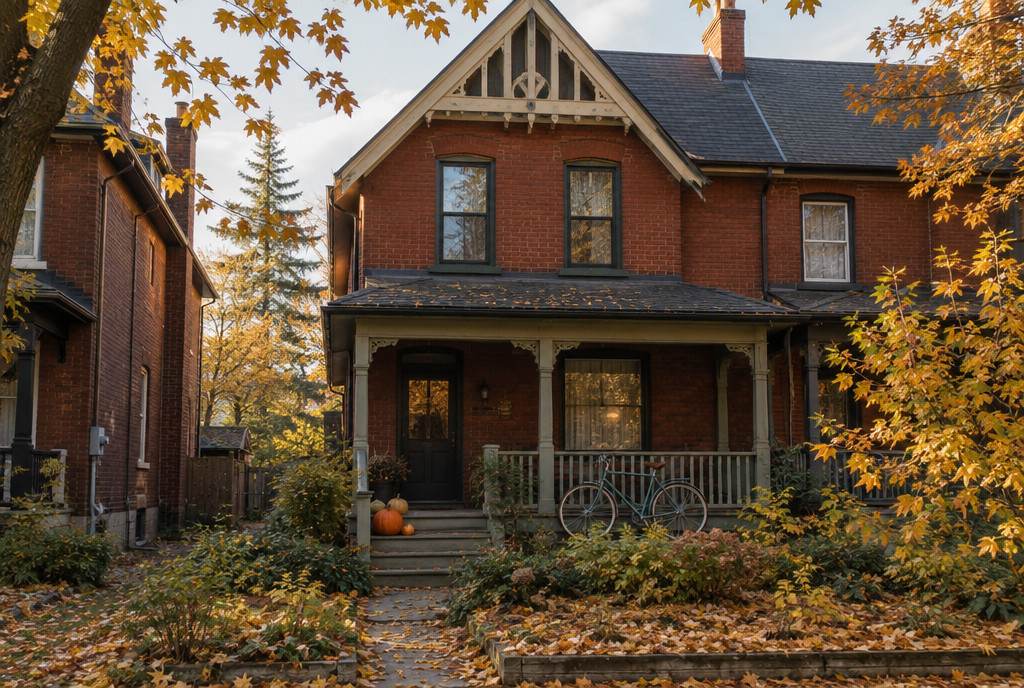
1 · Homes: the EnerGuide assessment
For houses and townhomes, the service that counts is the EnerGuide home evaluation: a registered energy advisor tests the house with a blower door, measures insulation, models it room by room, and issues the official EnerGuide rating and renovation upgrade report (NRCan's program page ↗). It's the gateway document for Toronto's money: the Home Renovation Savings assessment path ($600 assessment rebate, insulation to $7,700) and the City's HELP loans up to $125,000, which require the assessment for most projects (toronto.ca ↗). Only advisors working under NRCan-licensed service organizations can deliver it — our Toronto directory lists all of them, with review links. For the Home Renovation Savings rebates specifically, only assessments from the seven HRSP-approved organizations qualify for the $600 rebate; every listing in the directory says whether it's one of them.
2 · Commercial & multi-residential: ASHRAE Level 1–3 audits
Office buildings, retail, industrial, and apartment buildings use a different framework: the audit levels defined by ASHRAE Standard 211 (ashrae.org ↗). A Level 1 walkthrough analyzes bills and flags low-cost measures; a Level 2 audit adds detailed engineering analysis of mechanical and electrical systems with costed recommendations — this is what most people mean by a "mechanical engineering energy audit"; a Level 3 ("investment-grade") audit models capital projects rigorously enough to finance against. These are performed by engineering firms and certified energy managers, not residential energy advisors — a distinction worth knowing before you request quotes.
3 · Energy management & the reporting Ontario already requires
Beyond one-time audits sits ongoing energy management: utility bill monitoring, benchmarking, and retro-commissioning. In Ontario this has a mandatory floor — buildings of 50,000 square feet or larger must report energy and water use annually under the provincial Energy and Water Reporting and Benchmarking (EWRB) regulation (ontario.ca ↗), using ENERGY STAR Portfolio Manager. If you own or manage a qualifying Toronto building, that reporting is not optional — and a Level 1–2 audit is the natural next step once your benchmark shows where you stand. New construction in the city also builds to the Toronto Green Standard on top of the Building Code (toronto.ca ↗).
Which service do you actually need?
| You have… | You need… | Performed by |
|---|---|---|
| A house or townhome | EnerGuide home evaluation (+ add-on tests as symptoms warrant) | NRCan-registered energy advisor — directory |
| A heat pump decision | CSA F280 heat-loss/heat-gain calculation | Energy advisor or qualified HVAC designer — details |
| A commercial or apartment building | ASHRAE Level 1 → 2 → 3 audit, as depth demands | Engineering firm / certified energy manager |
| A building ≥ 50,000 sq ft | Annual EWRB reporting (mandatory) + benchmarking | Owner/manager; support services exist — Ontario Benchmarking Help Centre ↗ |
The Toronto money, briefly
Homeowners: the audit unlocks the stack — HRSP rebates, HELP financing at fixed rates the City resets every quarter (check its current table ↗), and the CMHC Eco Improvement 25% premium refund for recent buyers. Our Toronto guide walks the whole sequence, and the planner matches the right tests to your house in ninety seconds.
Common questions
What kinds of energy audits exist in Toronto?
Three distinct services get called "energy audits": EnerGuide home assessments for houses and townhomes (performed by NRCan-registered energy advisors), ASHRAE Level 1–3 audits for commercial and multi-residential buildings (performed by engineering firms and certified energy managers), and ongoing energy management/benchmarking services, including the reporting large Ontario buildings must file under the EWRB regulation.
Who is qualified to perform a home energy audit in Toronto?
For anything connected to rebates or the City's HELP loans, it must be a registered energy advisor working under an NRCan-licensed service organization — that's who can issue the EnerGuide rating the programs require. Solar, HVAC, and insulation salespeople offering "free audits" are not performing this service.
Does my Toronto building have to report its energy use?
If it's 50,000 square feet or larger, yes — Ontario's Energy and Water Reporting and Benchmarking (EWRB) regulation requires annual reporting of energy and water use through Portfolio Manager. This is a provincial requirement that applies across Toronto.
What is a mechanical engineering energy audit?
Usually one of two things: an ASHRAE Level 2 or 3 audit of a building's mechanical systems (HVAC, domestic hot water, controls) performed by an engineering firm, or — residentially — a CSA F280 heat-loss/heat-gain calculation that sizes heating and cooling equipment properly. Which one you need depends on whether you own a building or a house.
Sources
- NRCan — EnerGuide home evaluations
- City of Toronto — Home Energy Loan Program (verified October 2, 2026)
- Ontario — EWRB reporting for large buildings
- Home Renovation Savings — assessment path (verified October 2, 2026)
- ASHRAE — technical resources (Standard 211 audit levels)
- City of Toronto — Toronto Green Standard
Book the right audit in Toronto
Tell us whether it's a home or a building — we'll point you to the right kind of professional, matched to your area.
Email us what you’re planning, your postal code and the type of building (a house, a duplex or triplex, or a larger multi-unit building) — we’ll reply with registered service organizations for your area and which rebates apply.
Email dave@clickshift.ca