Energy test guide · verified October 2, 2026

The F280 heat-loss calculation: the $300 that saves the $15,000 mistake

Before anyone sells you a heat pump or furnace, someone should calculate — room by room, to the CSA F280 standard — how much heat your house actually loses on the coldest design day. Contractors who skip it size by square footage and habit, and habit oversizes. Oversized equipment costs more, cycles hard, dehumidifies poorly, and never feels right.

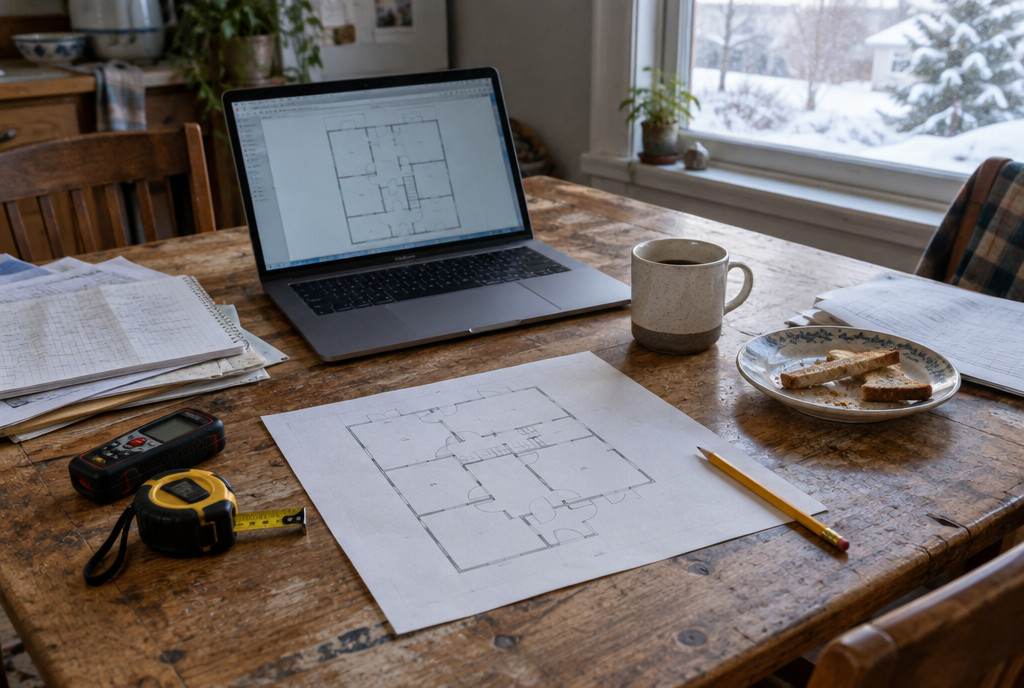
A kitchen table with a house floor plan, a laser measure, a tape measure and a laptop showing the plan

Cost

$150–$400 standalone

Standard

CSA F280

Output

BTU/h per room, design day

Prevents

Oversized equipment

What's involved

  1. Measure the envelope

    Wall, window, ceiling and foundation areas with their real insulation values — ideally pulled straight from your EnerGuide assessment file, which is why bundling the calculation with the audit is both cheaper and more accurate than a standalone guess.

  2. Apply your design temperature

    Every Ontario locality has a design cold — the temperature your heating must handle. The calculation runs your envelope against that number, not a national average.

  3. Account for air leakage and gains

    Your blower door number feeds in (leaky homes lose more), along with internal and solar gains. This is what separates F280 from a square-footage rule of thumb.

  4. Get room-by-room outputs

    Not just a house total: each room's need in BTU/h. This is what exposes why the far bedroom never worked — and whether the fix is ducting, not a bigger furnace.

  5. Size equipment against the number

    Heat pump capacity tables at cold temperatures get compared to your load: what the unit delivers at −8°C and at design temperature, and what backup covers the gap. The equipment decision becomes arithmetic instead of salesmanship.

How to get it done

Energy advisors and qualified HVAC designers run F280 calculations; ask for the report by name, and expect $150–$400 standalone or less bundled with an assessment. The tell that you need it: a contractor who quotes equipment size from your square footage, your old furnace's label, or a walk-through glance.

If it finds a problem: your remediation options

The calculation's 'issue' is usually a mismatch — between quotes, or between your house and what's installed. The options:

Often saves money

Right-size the replacement

The most common outcome: the correct unit is smaller and cheaper than the habit quote. Never let the old furnace's size set the new one — the old one was probably oversized too, and your envelope may have improved since.

Sequencing, not spending

Shrink the load first, then buy

Air sealing and insulation reduce the number — done before equipment replacement, they let you buy a smaller heat pump. This is the whole logic of the retrofit sequence: envelope, then equipment.

Design choice

Hybrid sizing

Size the heat pump for most of the winter and let backup (electric or existing furnace) carry the coldest tail — often the economic optimum in cold climates, and only calculable with a real load number.

See duct testing

Fix distribution, not capacity

When one room fails but the house total is fine, the answer is airflow — ducts, returns, balancing — not a bigger machine pushing harder through the same bad ducts.

Keep the F280 report with your quotes. A contractor who welcomes it is a contractor worth shortlisting; one who waves it off told you something useful too.

Cost figures are Ontario planning bands as of October 2, 2026 — quotes vary with the house; use them to budget, not to negotiate.

Common questions

Why do contractors oversize?

Rules of thumb by square footage, fear of cold-day callbacks, and matching whatever was there before. The incentives all point to bigger, and none of them price in what oversizing costs you: short cycling, worse humidity control, more noise, higher purchase price, and — for heat pumps especially — efficiency lost to constant starts.

Isn't bigger at least safer?

No. A right-sized system runs long, steady, quiet cycles that hold temperature and wring out humidity. An oversized one blasts, satisfies the thermostat, and shuts off — repeatedly. For heat pumps, sizing to the real load is the difference between the technology working as advertised and a disappointing winter.

Do rebate programs require it?

Program rules vary and change, but the practical answer: heat pump incentive paths run through the EnerGuide assessment, and quotes built on a real load calculation are what a registered advisor can stand behind. Ask your advisor which current programs expect the F280 paper — and get it regardless, because the equipment is yours for 15+ years either way.

Size it before anyone quotes it

Tell us you're considering a heat pump — we'll match you with an advisor who runs the F280 numbers before the sales visits start.

Email us what you’re planning, your postal code and the type of building (a house, a duplex or triplex, or a larger multi-unit building) — we’ll reply with registered service organizations for your area and which rebates apply.

Email dave@clickshift.ca

This inbox is answered by a person. Participating advisors pay us a referral fee — you pay nothing, and it never affects the directory.