Window condensation and musty air
Water pooling on window sills, fogged glass, musty smells, maybe mould spots in corners or closets.
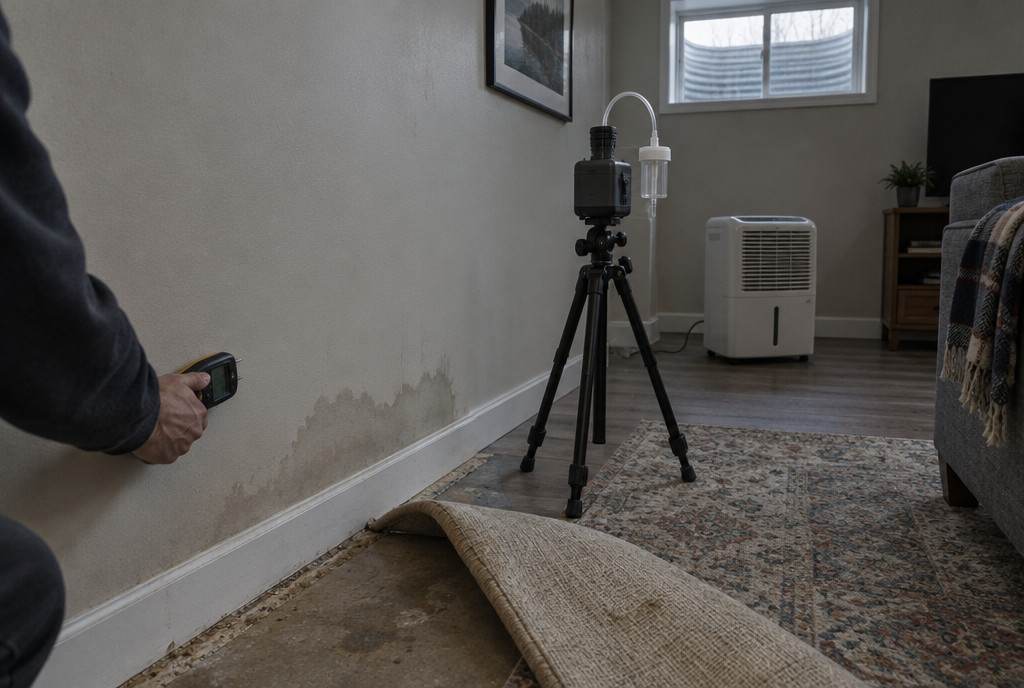
What it usually means
- Too much indoor humidity for the ventilation you have — common in tighter 1980s+ homes without an HRV
- Cold surfaces (single-pane windows, uninsulated wall corners) hitting dew point
- Bathroom/kitchen fans that vent nowhere or never get used
What an audit measures
- The audit checks ventilation rates against occupancy and airtightness — the actual ratio that causes condensation
- Thermal imaging finds the cold spots where mould starts
Try first (cheap or free)
- Run bath fans 30 minutes after showers; verify they vent outside
- Keep indoor humidity between 30% and 50%, toward the low end in very cold weather to limit window condensation (a $15–$25 hygrometer tells you)
- Don't buy windows to fix a ventilation problem
The fix ladder
- Fix/duct existing exhaust fans
- Add an HRV (typically $3,000–$5,500 installed)
- Insulate the cold surfaces (walls/corners) if imaging shows them
Rebates that apply
- HRSP (with assessment) — Up to $10,000 per home for insulation, windows and air sealing, plus $600 back on your assessments — if the follow-up assessment is done by December 31, 2026
Want it diagnosed properly?
A registered energy advisor measures instead of guessing — blower door, thermal imaging, and a written upgrade report priced against rebates.
Email us what you’re planning, your postal code and the type of building (a house, a duplex or triplex, or a larger multi-unit building) — we’ll reply with registered service organizations for your area and which rebates apply.
Email dave@clickshift.ca