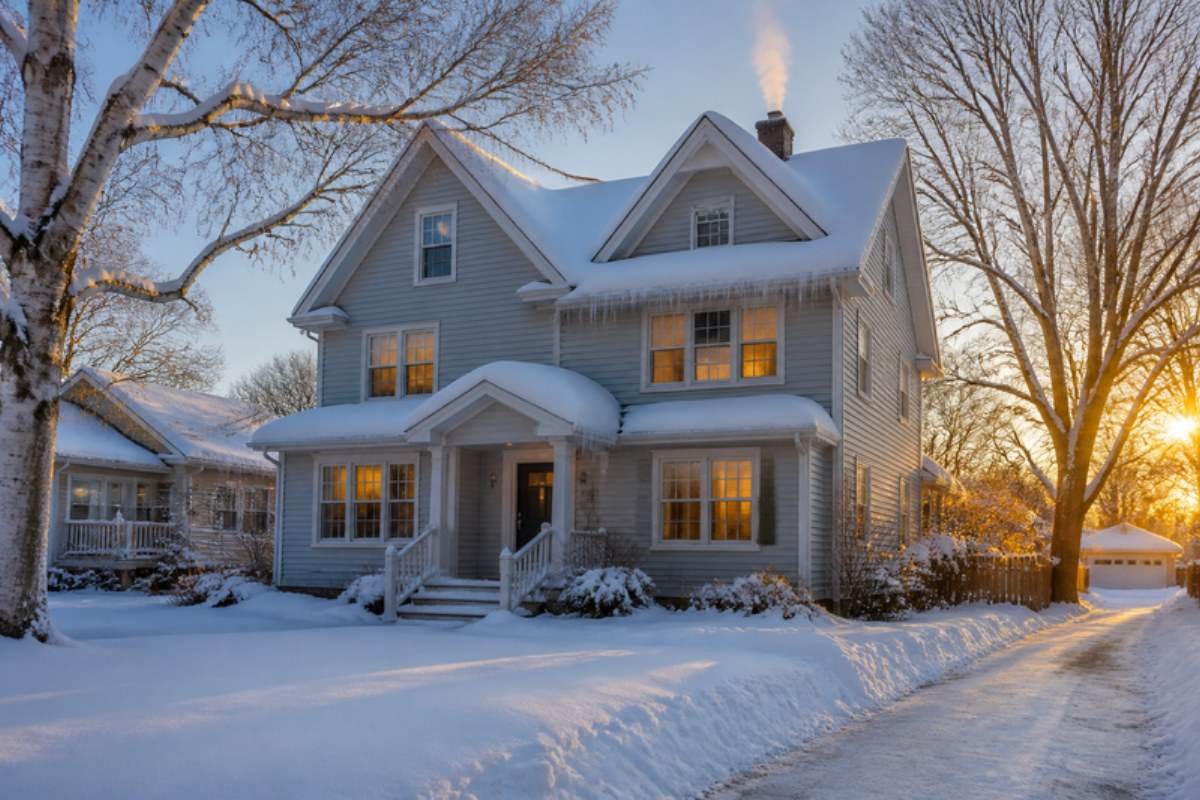
Very cold
Upper Midwest
Long, bitter winters make heating your biggest bill, and summers still need AC.
You're on the US site. In Canada? NRCan-registered energy advisors, EnerGuide evaluations and live provincial and federal rebates. Go to audityourhome.ca →
Which tests does my home need?
Year built, water, heating and symptoms in; the tests worth doing out, with the reasons.
Run the screener →
Heat & energy
Air & safety
Materials & water
Compare every heat pump brand
Every brand certified for the US: its cold-climate and high-SEER2 models, warranty, price tier and the rebates it fits.
Open the comparison →
Compare
Popular brands
United States · audit-first home energy upgrades
Find a certified home energy auditor, see what an audit costs where you live and check which rebates are actually open after this year’s federal changes, across the 26 largest U.S. metro areas.
Nine climates, nine kinds of home
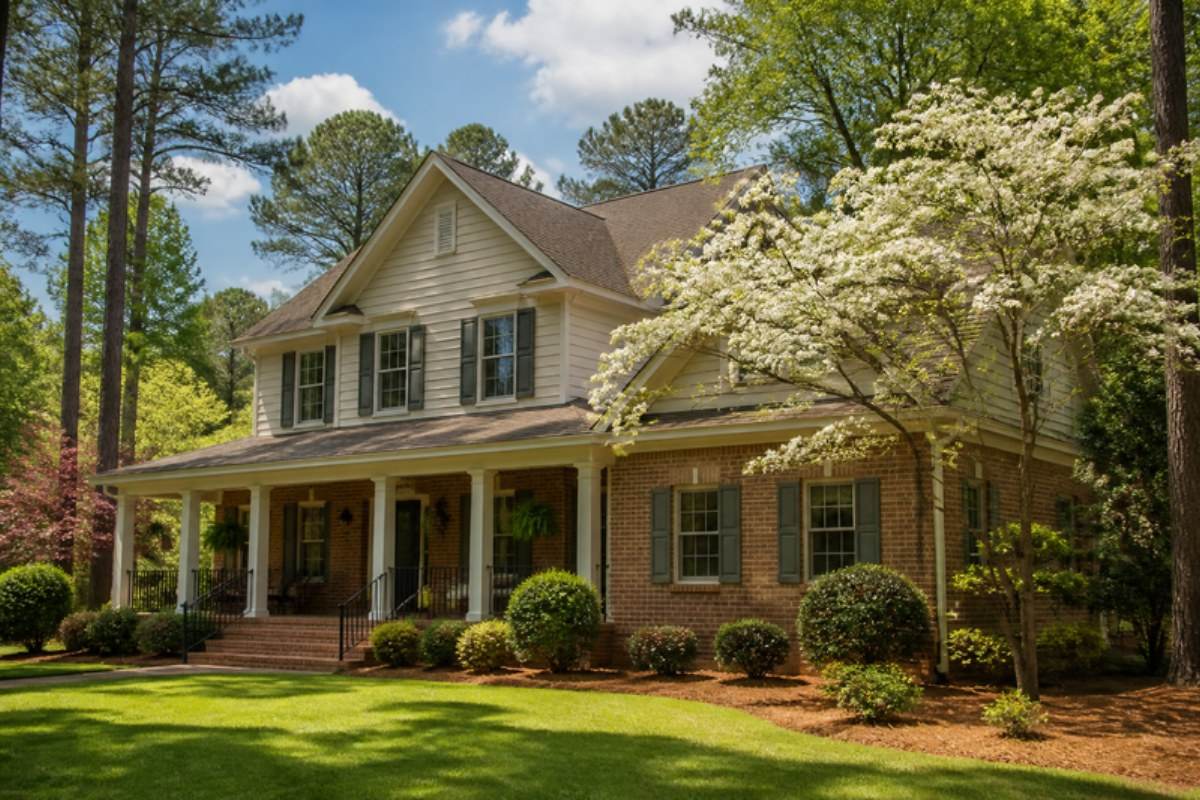
A Boston triple-decker, a Phoenix ranch house and a Seattle craftsman lose energy in different places, so an audit looks for different things. Find the picture closest to your area, then open your metro’s guide.
Very cold
Long, bitter winters make heating your biggest bill, and summers still need AC.
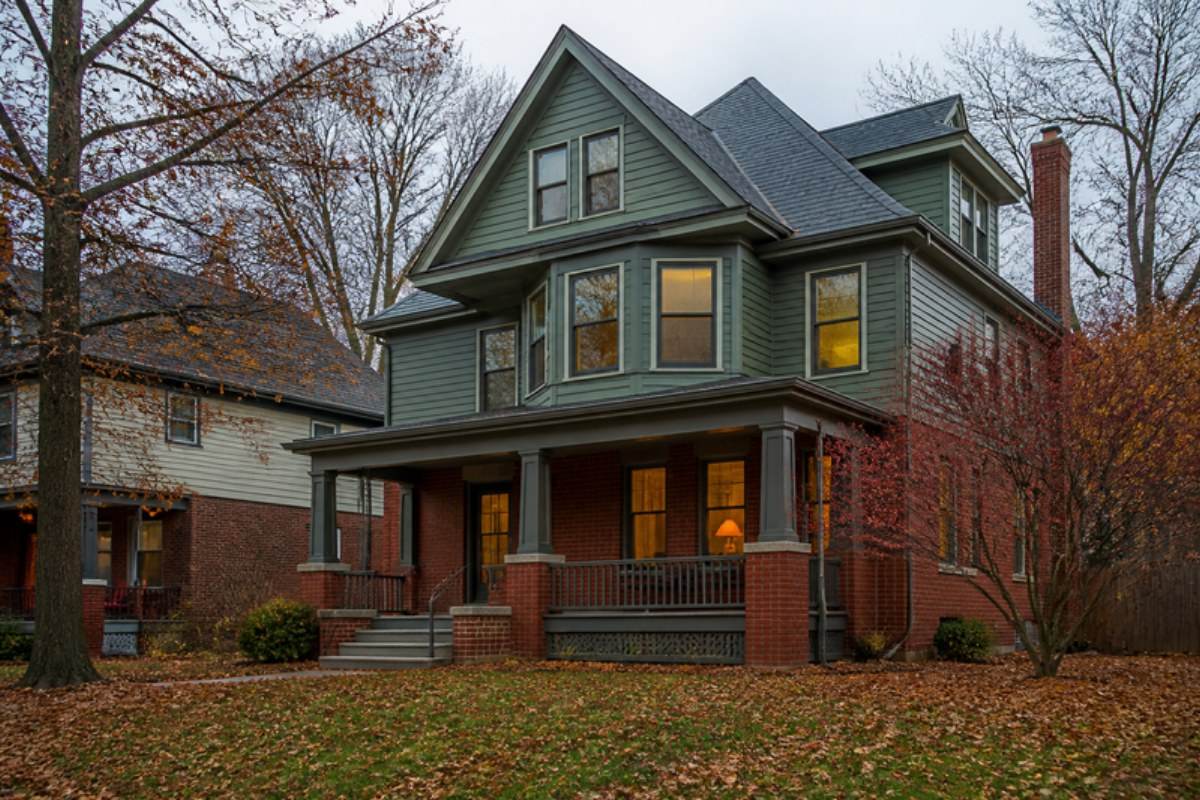
Mixed-humid
You pay to heat and to cool, and muggy summers make basements and AC health matter.
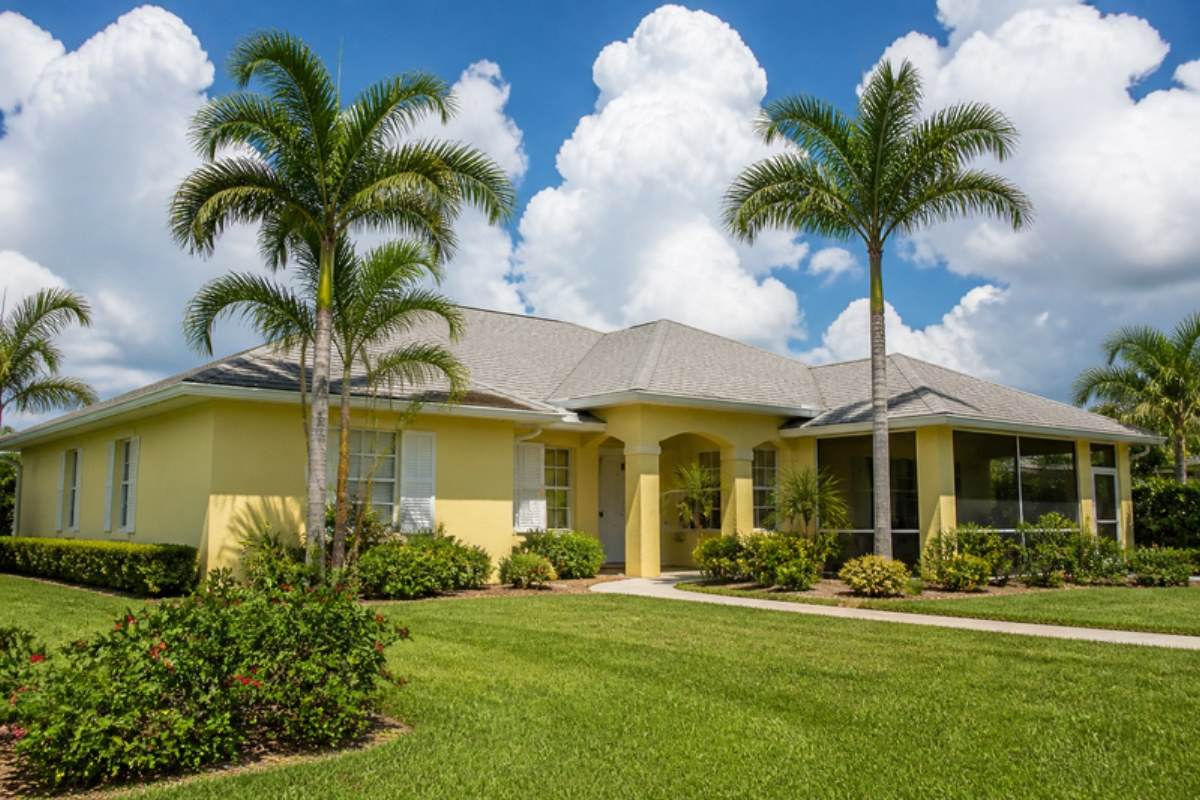
Hot and humid
Cooling and humidity drive your bills; attic ducts, AC health and outages drive comfort.
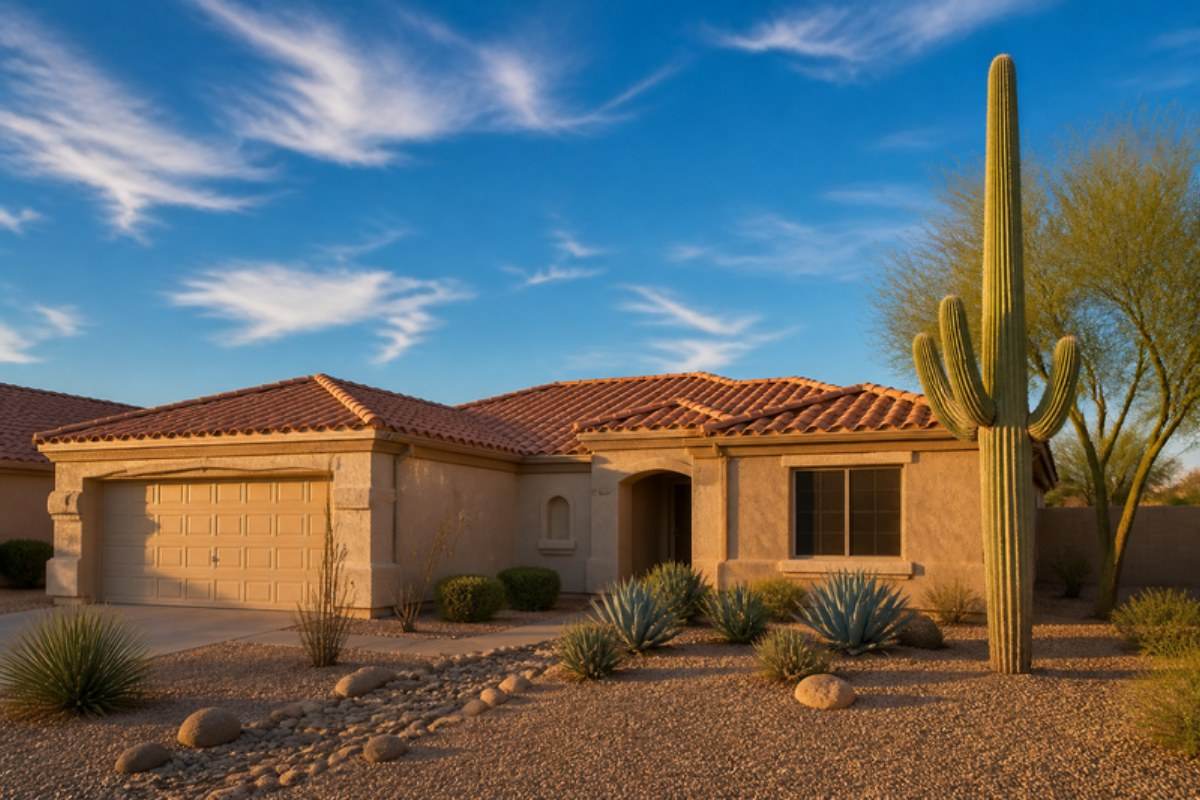

Mild coastal
Small loads and high power prices, plus heat waves in homes built without AC.

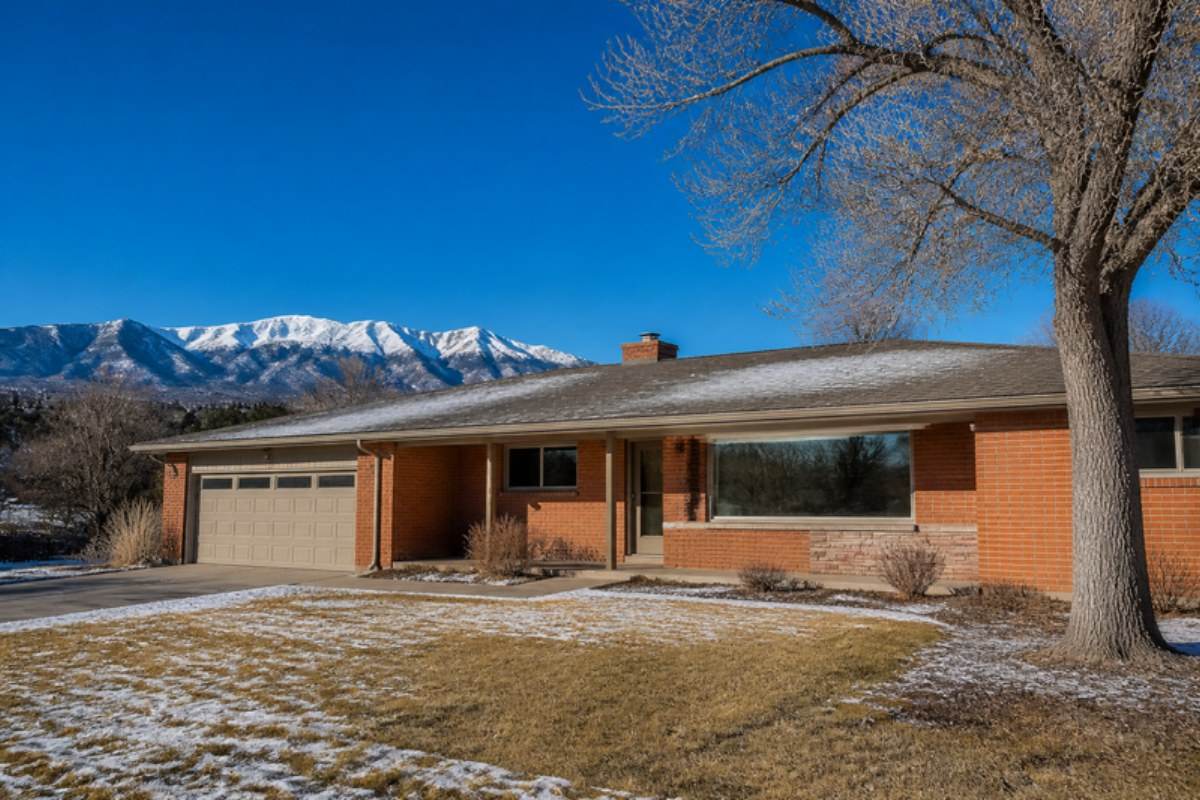
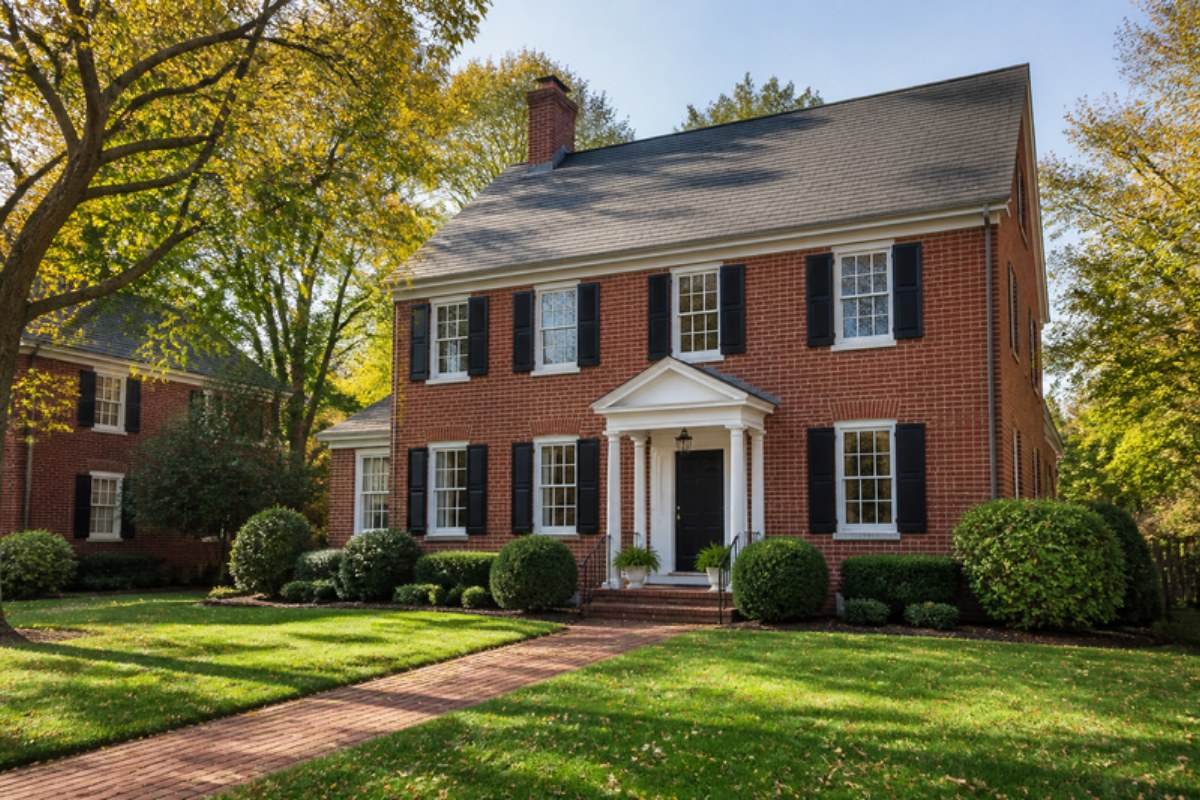
AI-generated illustrations of typical homes, not photographs of real ones. Climate groups follow the NOAA and IECC climate data behind each metro guide.
What changed in 2026
The 25C home improvement credit, including its $150 audit credit, and the 25D clean energy credit don’t apply to work after December 31, 2025. Public Law 119-21, signed July 4, 2025, moved their end dates up from 2032 and 2034.
DOE’s new program notices for the Home Energy Rebates removed federal rebates for switching from gas, oil or propane to electric equipment, and put insulation and air sealing before heating and cooling upgrades. Programs already running had about three months to comply.
On October 12, 2026, at least one federal rebate pathway was taking applications in 10 states plus DC: Arizona, Georgia, Indiana, Maine, Michigan, New Mexico, New York, North Carolina, Rhode Island and Wisconsin, often with income limits or only some measures. Elsewhere they’re paused, closed or not launched.
Each square is a state; tap yours. Green means at least one federal rebate pathway was taking applications on October 12, 2026, amber means it’s open with limits or paused, red means it closed after the money was reserved, and grey means it hasn’t launched or the state posts no status.
26 metro areas
The audit program most homeowners in each metro can start with, and what it costs. The two bars on each card show a year of heating and cooling (NOAA degree days), so you can see at a glance which season drives the bills. Each metro guide adds the other programs, the rebates open now, local rules and energy prices.
How an audit works
Most of the 26 metros have a utility or state assessment, often free. Many rebates require one first.
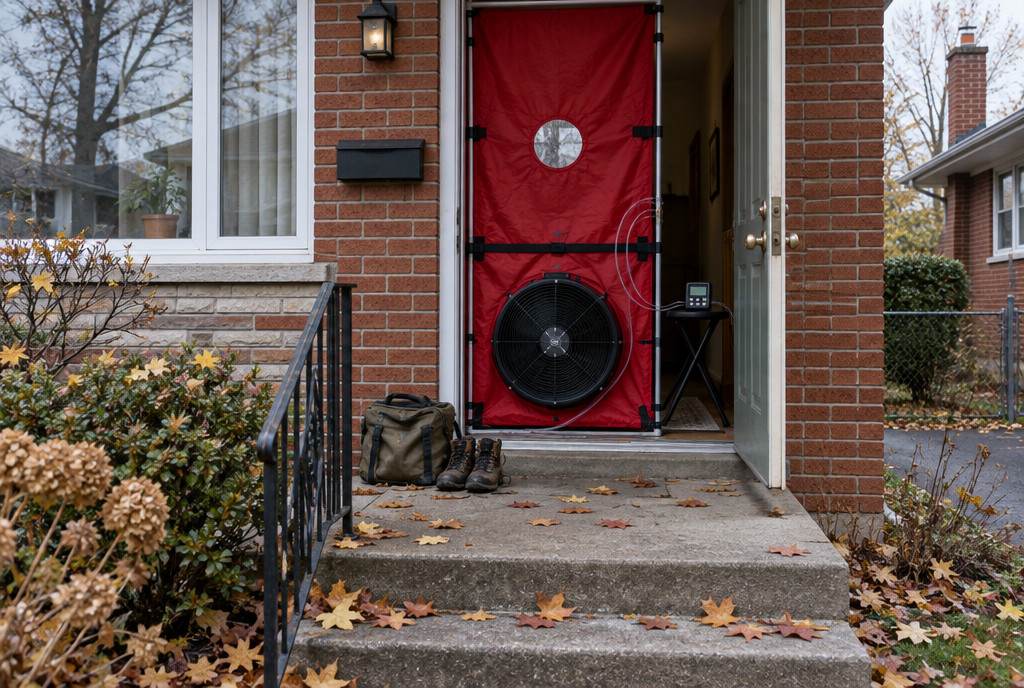
A full diagnostic audit adds a blower door test, an infrared scan and combustion safety checks on gas appliances.
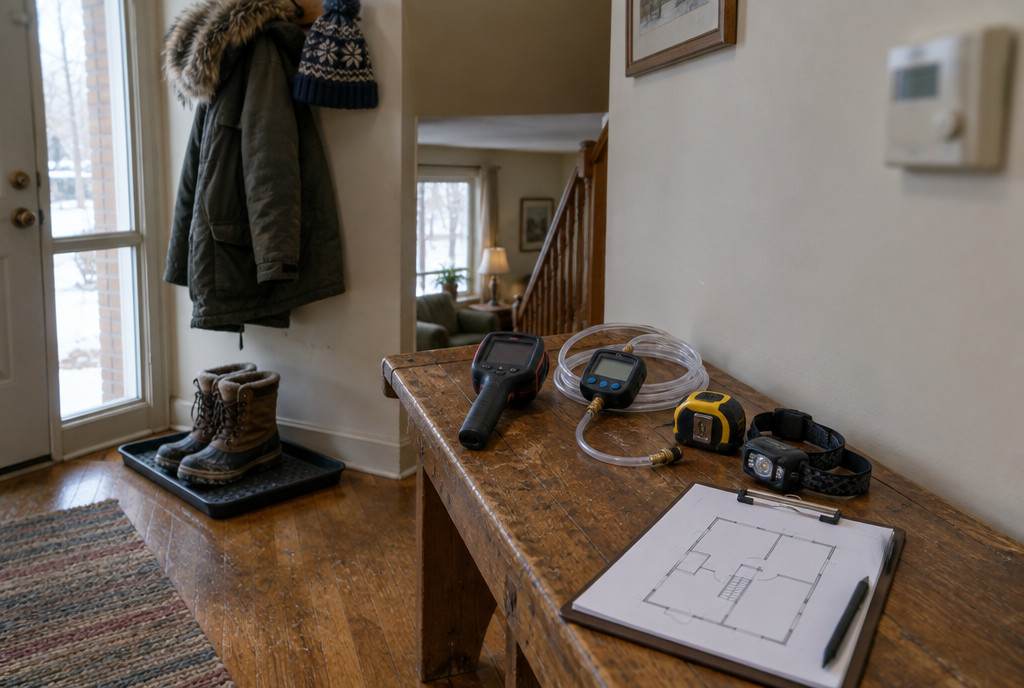
The auditor’s report ranks the upgrades for your house. Take it to the program’s contractors and rebates.
Where houses actually leak
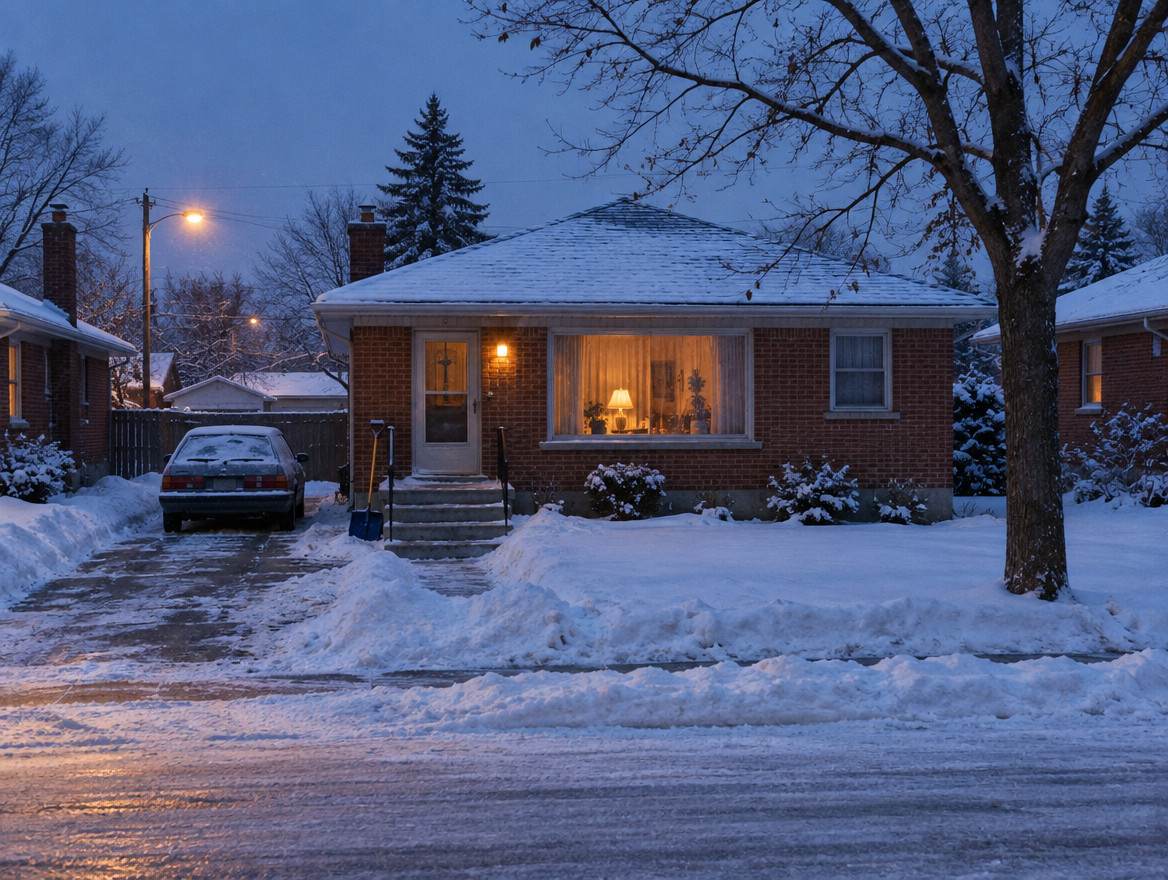
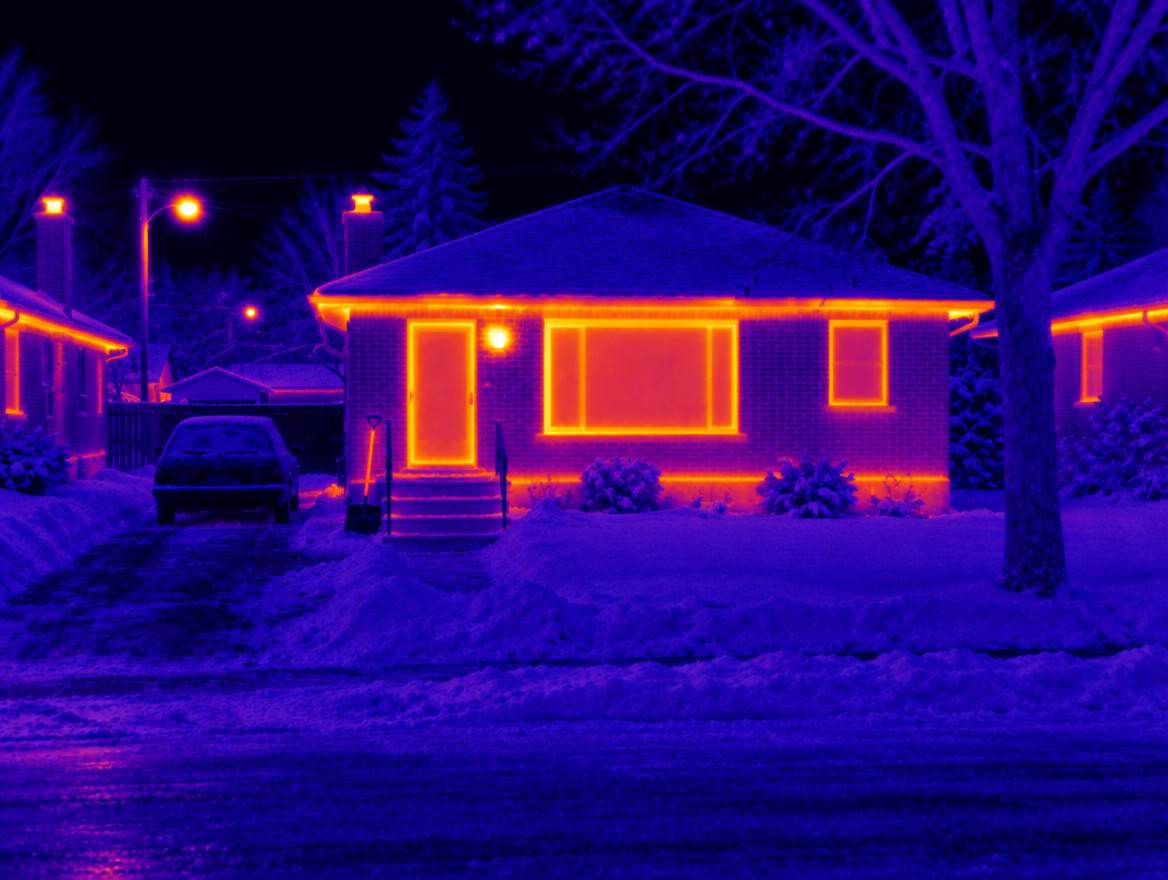
Through an infrared camera, every house glows where it’s failing: attic bypasses, empty wall cavities, rim joists, bare foundation walls. An auditor’s blower door test and infrared scan measure where the energy goes and how much of it. Drag across the photo to see what the camera sees.
The testing guide
An auditor’s tests find where the energy goes. Radon, carbon monoxide, lead and well water are about health, and some you can start yourself.
Airtightness measured at 50 pascals
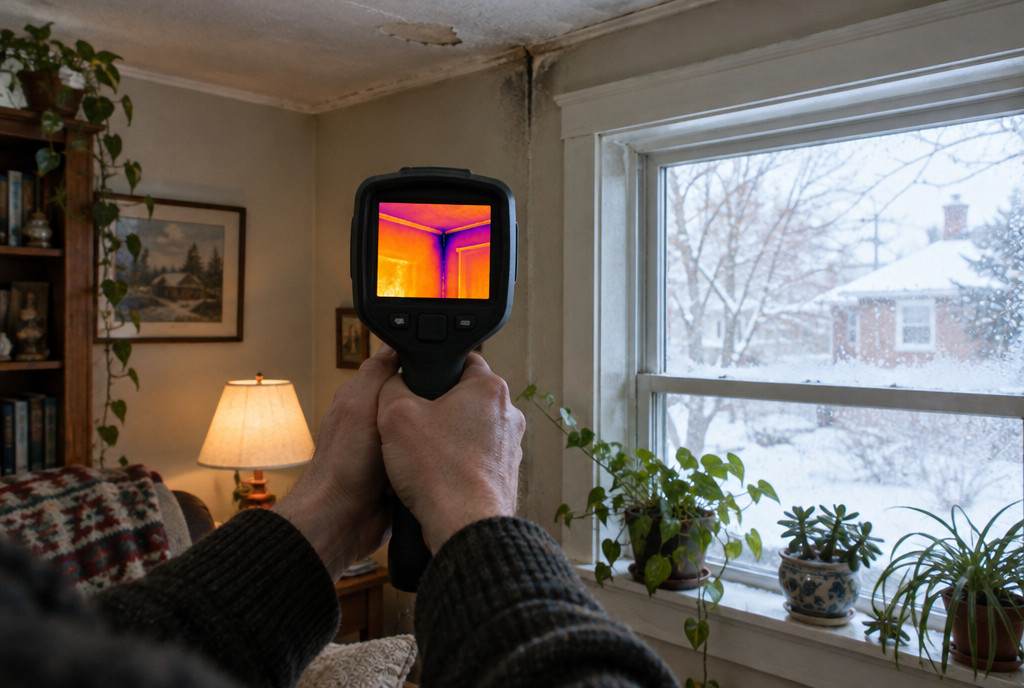
Finds missing or damaged insulation
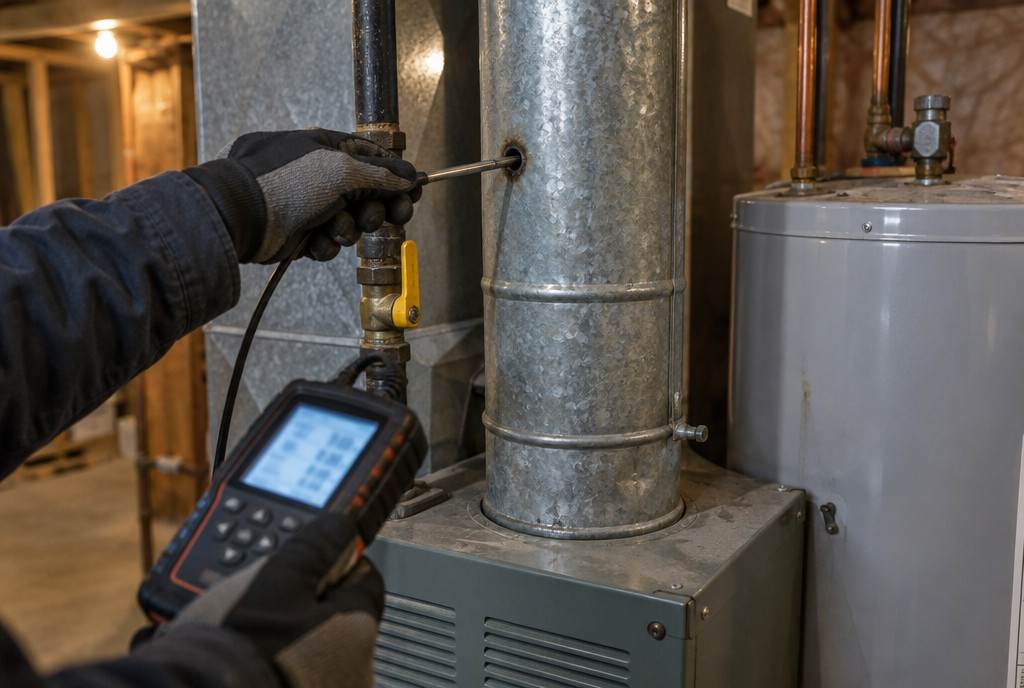
Venting and CO checks on gas appliances
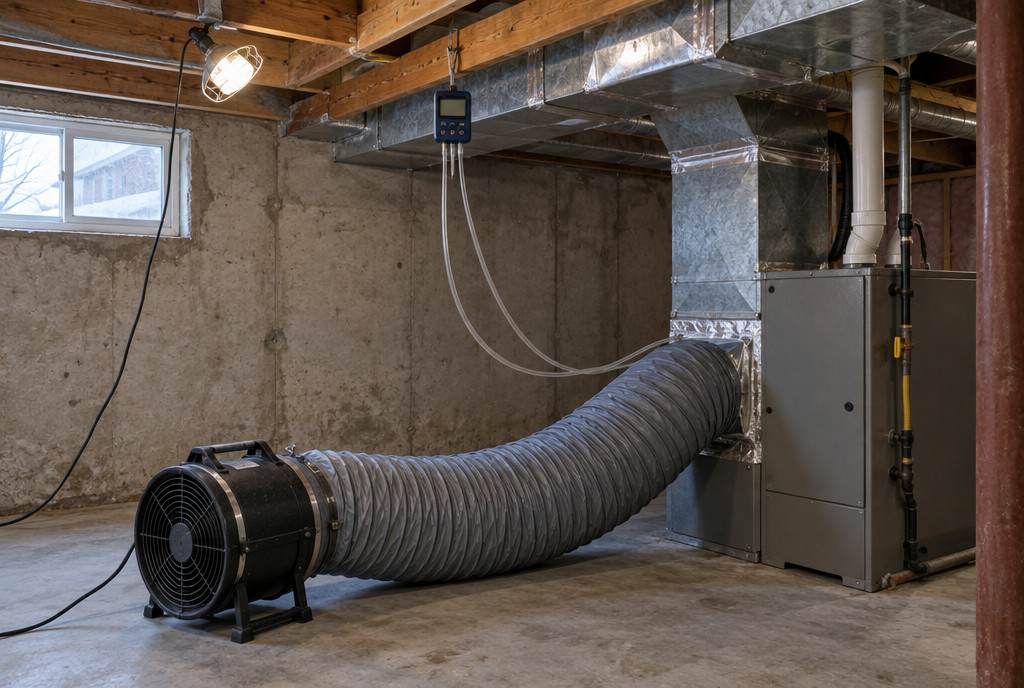
Leaks measured at 25 pascals
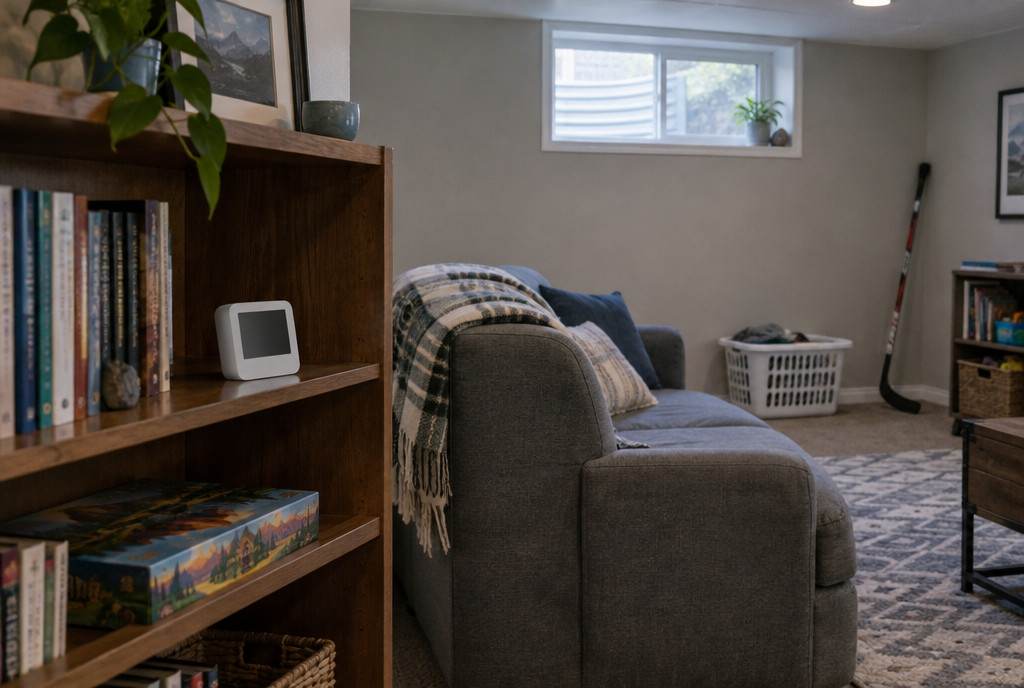
EPA: fix at 4 pCi/L or more
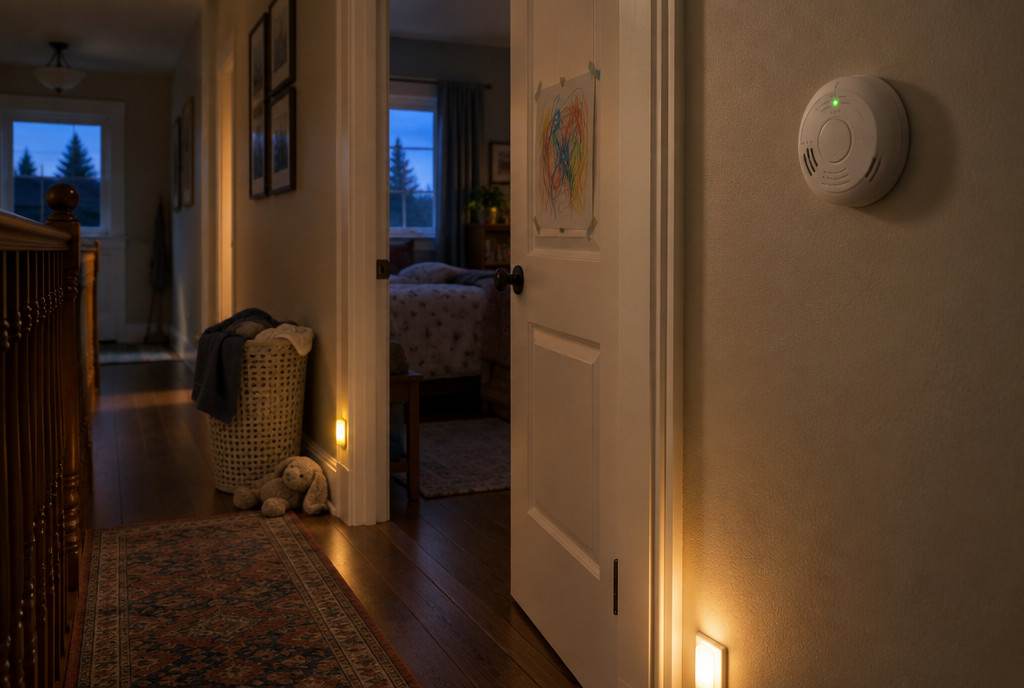
Alarms on every level
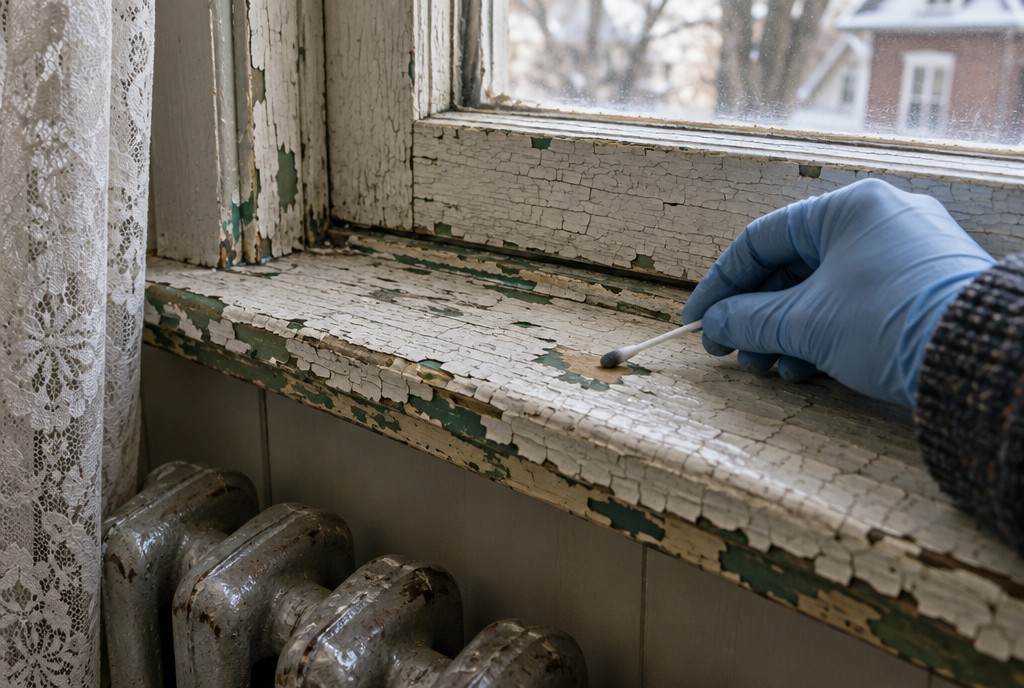
Homes built before 1978
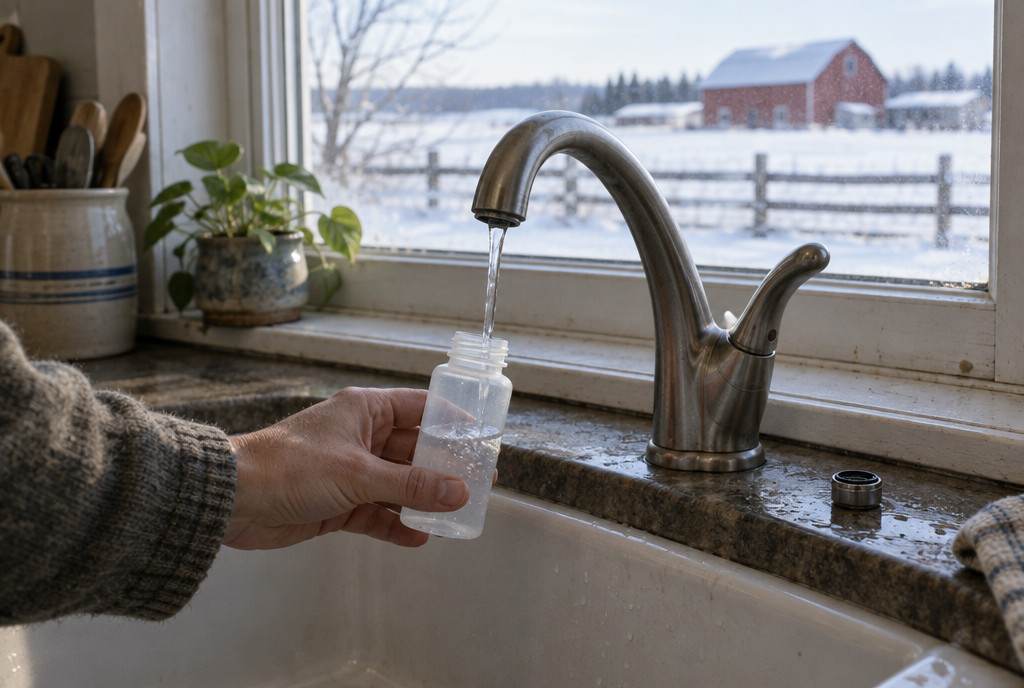
EPA: test every year
The complete testing guide → Which tests does my home need? →
Not for an audit done in 2026. The credit of up to $150 a year for a home energy audit was part of the Energy Efficient Home Improvement Credit (25C). Public Law 119-21, signed July 4, 2025, ended 25C for property placed in service after December 31, 2025, and the IRS says the audit credit can’t be claimed for audits paid for or done after that date. The Residential Clean Energy Credit (25D) also ended for expenditures after December 31, 2025. An audit done in 2025 is claimed on the 2025 return with Form 5695.
It depends on the state, because each state runs its own program. Checking state pages on October 12, 2026, we found at least one rebate pathway taking applications in 10 states plus DC: Arizona, Georgia, Indiana, Maine, Michigan, New Mexico, New York, North Carolina, Rhode Island and Wisconsin, often with income limits, waitlists or only some measures. The Building Performance Association’s June 2026 map counts twelve states plus DC as launched. DOE no longer publishes a current state-by-state list, and it rewrote the program rules effective May 29, 2026, so check your state’s own page before you buy anything.
No DOE, EPA or HUD page gives a national typical price, and DOE says Home Energy Score fees vary across the country. Utility and state programs often pay for most or all of an assessment: in 13 of the 26 largest metros, a free in-person utility or state assessment is open to all incomes. Where a fee is published it is modest, for example $49 for an SRP in-home assessment in Phoenix, $70 or $100 for a Home Energy Squad visit in Minnesota and $100 for a Home Performance with ENERGY STAR audit from BGE or Pepco in Maryland. For a private audit, Nicor Gas says an energy audit may cost between $100 and $500 or more, and Austin Energy estimates about $200–$300 for the audit Austin requires at most home sales (a typical home of 1,800 sq ft or less).
Look for a recognized credential: a RESNET HERS Rater, a Building Performance Institute (BPI) Building Analyst Professional or Home Energy Professional Energy Auditor, or a DOE Home Energy Score Certified Assessor. Each has an official directory or verification page. Utility programs use their own trained staff or participating contractors, and some, like SRP’s audit discount in Phoenix, require a BPI-certified contractor.
Yes. The federal Weatherization Assistance Program, run through state agencies and local providers, pays for an energy audit and cost-effective upgrades for eligible households; under federal rules that includes households at or below 200% of the federal poverty guidelines ($66,000 a year for a family of four under the 2026 guidelines, as Pennsylvania’s program publishes it). The Program Year 2026 average spending limit is $8,813 per home. All 26 metro guides also list utility, city or state programs for income-qualified households, many with free assessments.
Tell us your ZIP code, the kind of home you have and what you’re planning. A person reads every message and replies with the certified auditors and utility programs that serve your area.