The testing guide

Every test your home might need

A house can be measured — leakage, insulation, airflow, radon, moisture. This guide walks every test worth knowing: what it establishes, who performs it, what it costs, and when to ask for it by name. Measurements first, purchases second.

Want this personalized? The planner picks the tests your specific home needs and puts them in your audit request automatically.

Energy performance The audit toolkit

These establish your home's energy requirements — what to fix, in what order, and what size equipment to buy. Most come with an EnerGuide assessment; the marked ones are add-ons worth requesting explicitly.

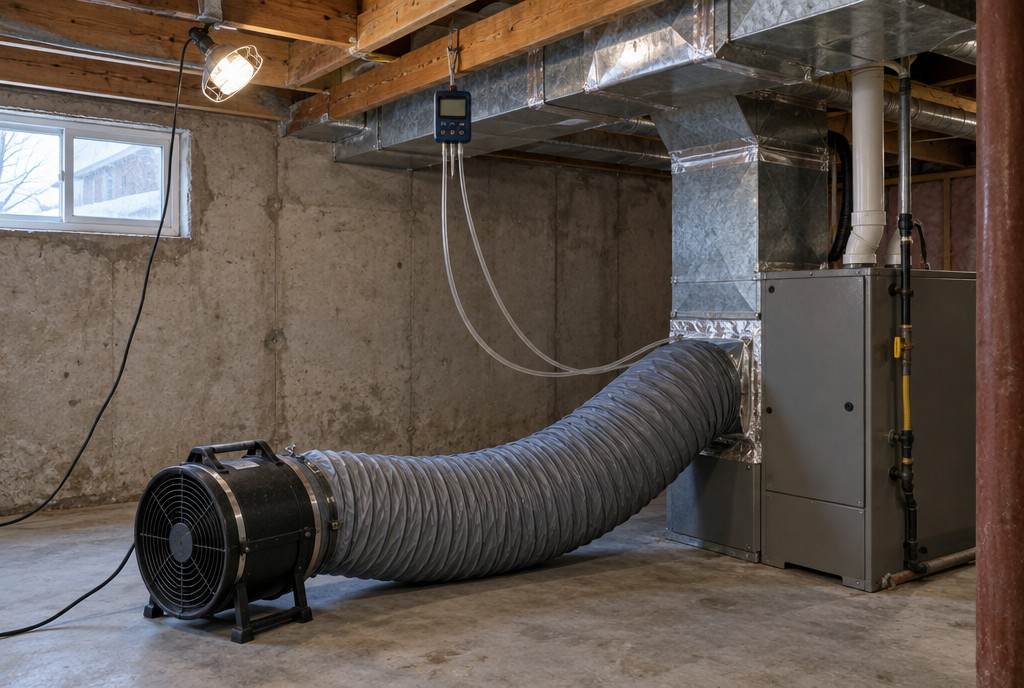
Blower door test

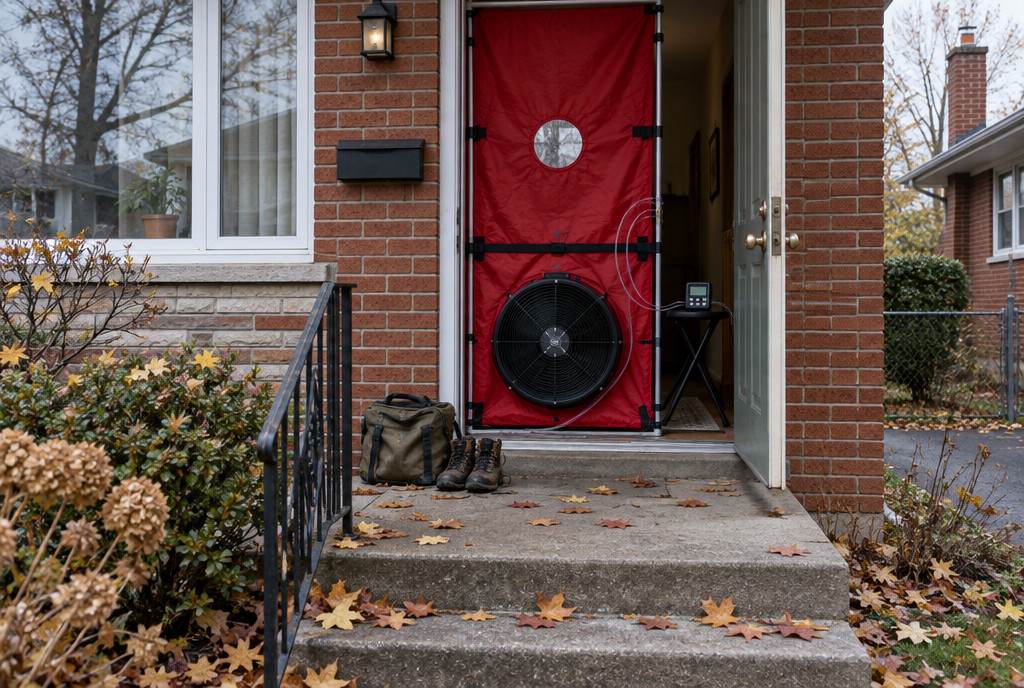
A calibrated fan seals into an exterior door and depressurizes the house, measuring exactly how much air leaks in — and letting you feel where.

What it establishes: Your airtightness number, where the big leaks are, and whether air sealing should be step one. The single measurement that separates a real audit from a sales walkthrough.

Performed by: NRCan-registered energy advisor · Included in every EnerGuide assessment

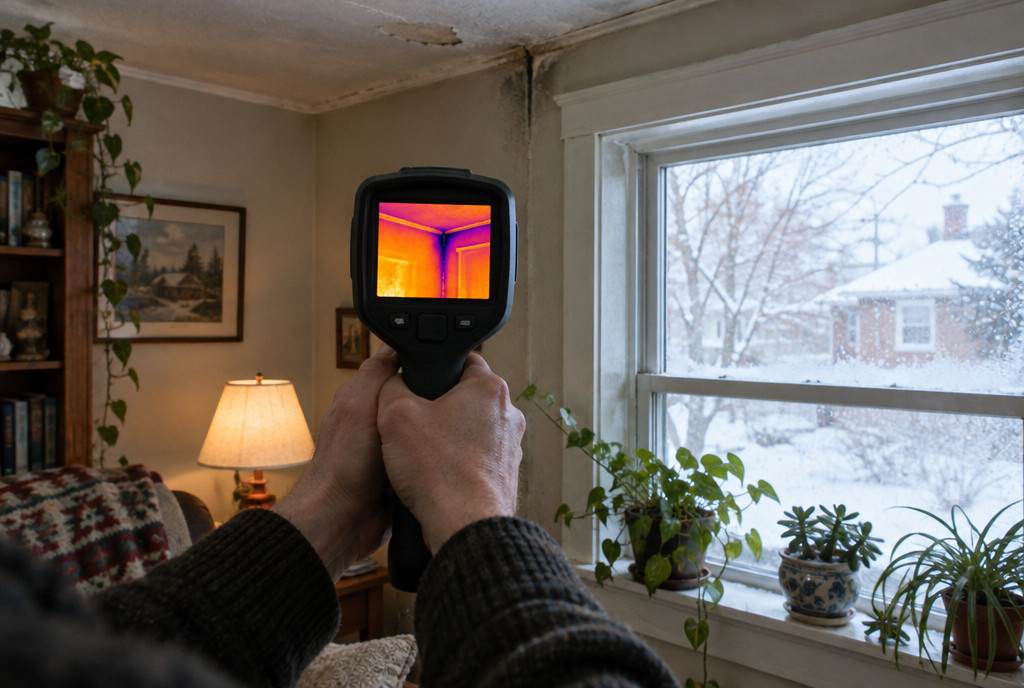
Infrared (thermal) camera scan

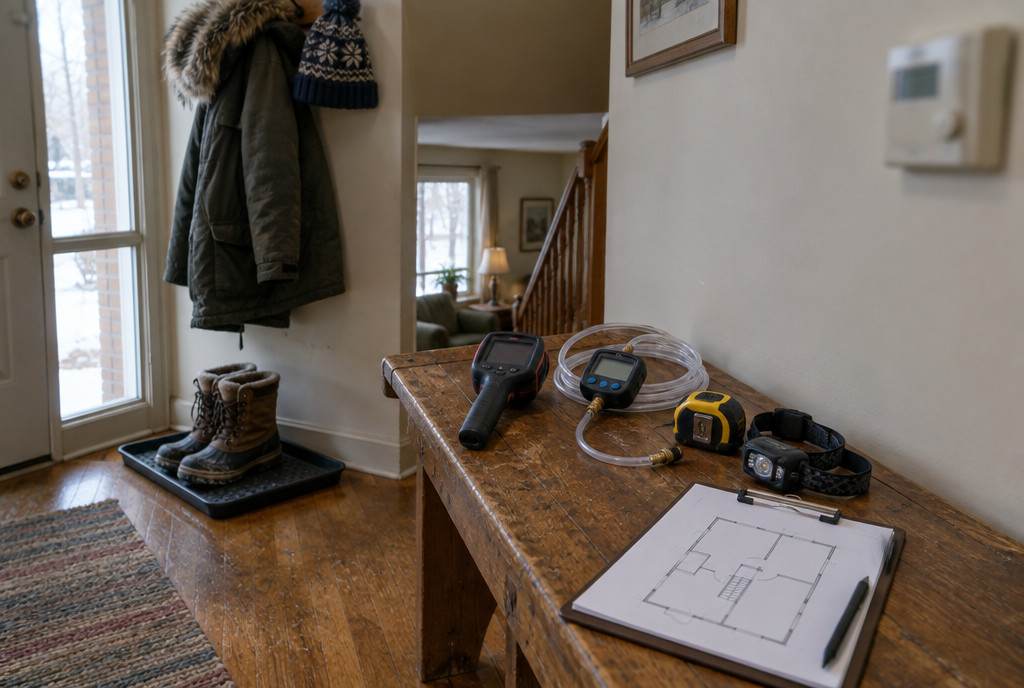
An IR camera maps cold and warm surfaces, revealing missing insulation, thermal bridges, and hidden moisture without opening a single wall.

What it establishes: Which wall sections are actually empty, where the attic bypasses are, and whether that cold corner is an insulation gap or a leak. Most powerful when run during the blower door test on a cold day.

Performed by: Energy advisor or building-science contractor · Included by most advisors — confirm when booking

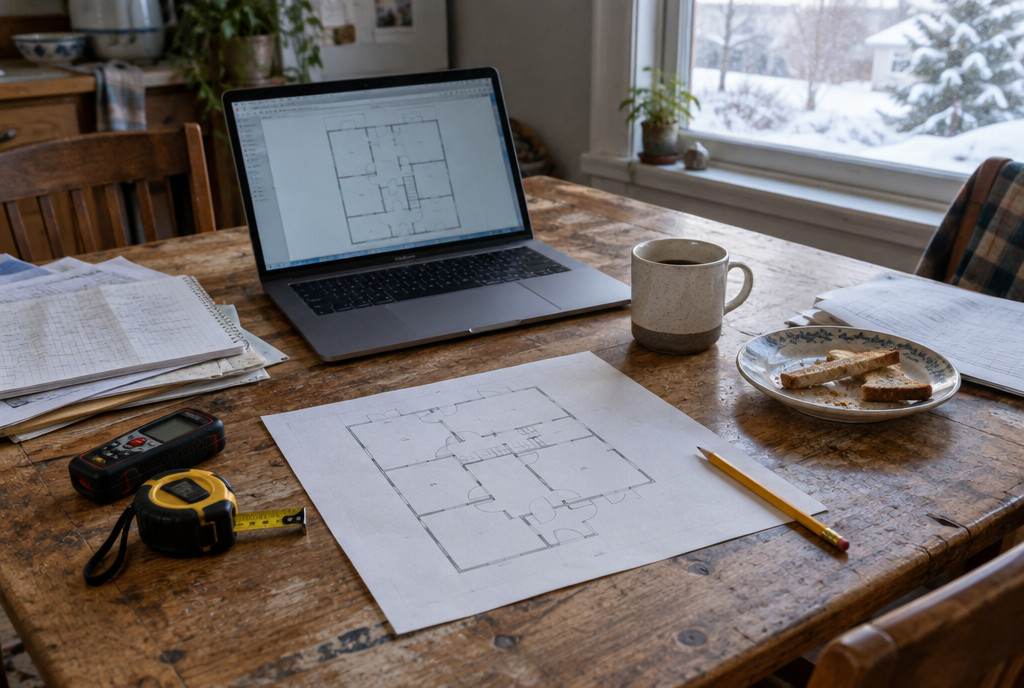
Room-by-room heat-loss calculation (CSA F280)

A formal calculation of how much heat each room loses at design temperature — the engineering answer to "what size heat pump do I need?"

What it establishes: The correct equipment size. Contractors who skip this guess by square footage and routinely oversize — which costs more upfront and runs worse.

Performed by: Energy advisor or qualified HVAC designer · $150–$400 standalone; often bundled with an assessment

Duct leakage & airflow testing

Pressure-tests your ductwork and measures actual airflow at each register to find where conditioned air disappears into walls and attics.

What it establishes: Why the far rooms never get comfortable, and whether duct sealing or balancing will fix your hot-cold problems before you buy bigger equipment.

Performed by: HVAC contractor with duct-testing gear; some advisors · $200–$450 — ask for it if comfort is your issue

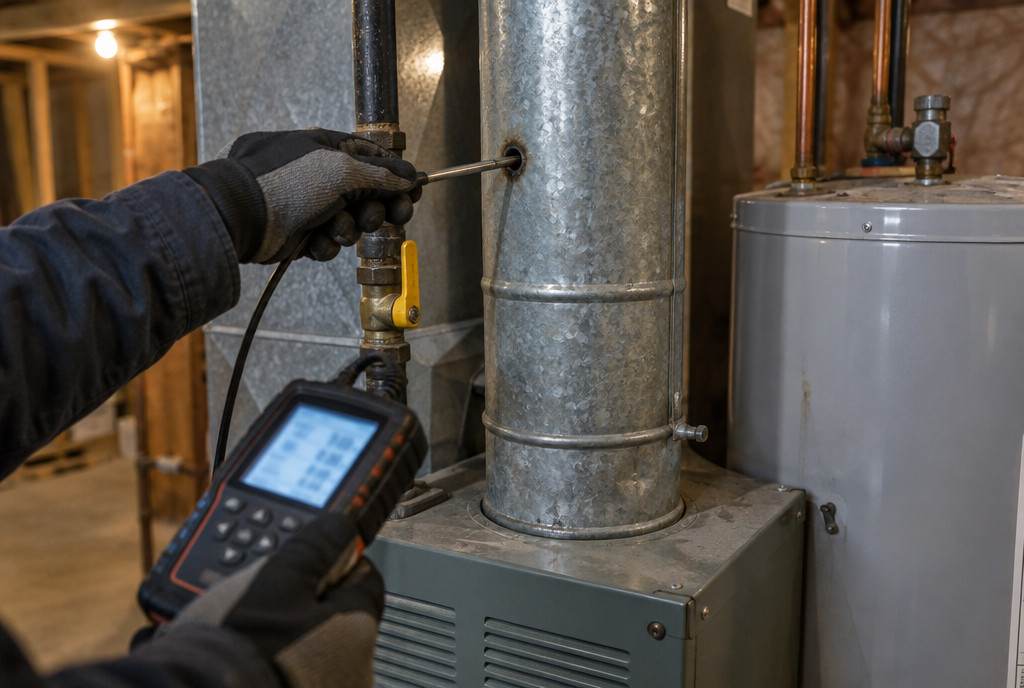
Combustion safety & spillage check

Verifies that furnaces, water heaters, and fireplaces still vent safely — especially important before tightening up a leaky house.

What it establishes: Whether air sealing could cause backdrafting or CO risk with your current appliances, and what venting changes must happen first.

Performed by: Energy advisor / licensed gas technician · Included when you have combustion appliances

Ventilation & humidity assessment

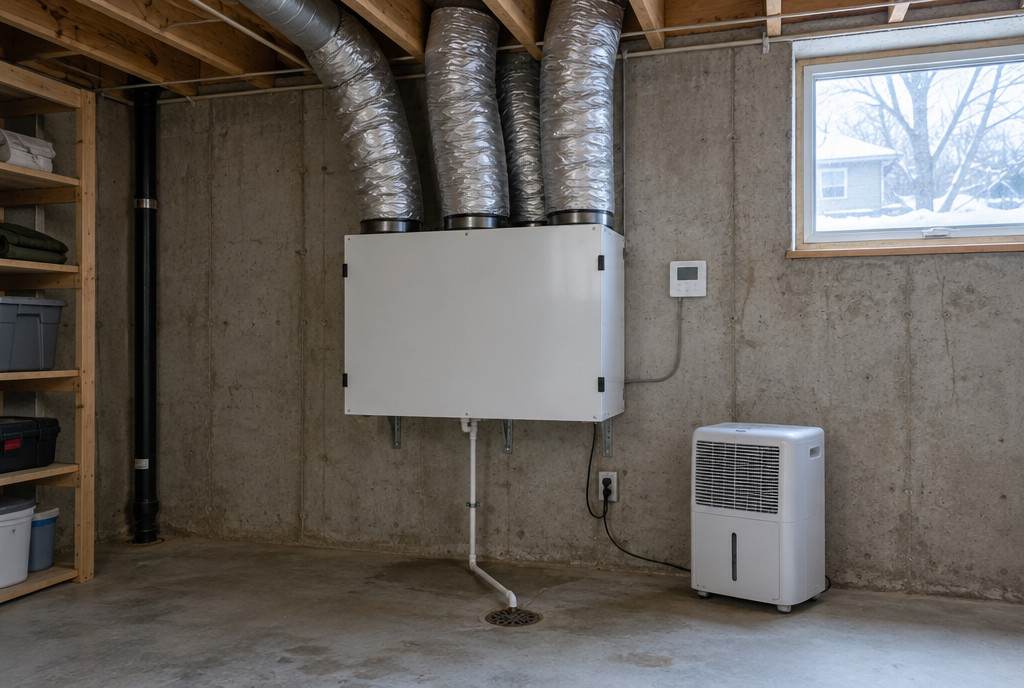
Measures your home's air exchange and humidity against occupancy, and checks that bath and kitchen fans actually move air outside.

What it establishes: Whether condensation and musty air are a ventilation problem (fix: HRV, fans) or a cold-surface problem (fix: insulation) — the two get confused constantly, and the wrong diagnosis costs thousands.

Performed by: Energy advisor or HRAI ventilation contractor · Included in assessment observations; HRV sizing may be extra

Attic inspection & insulation depth check

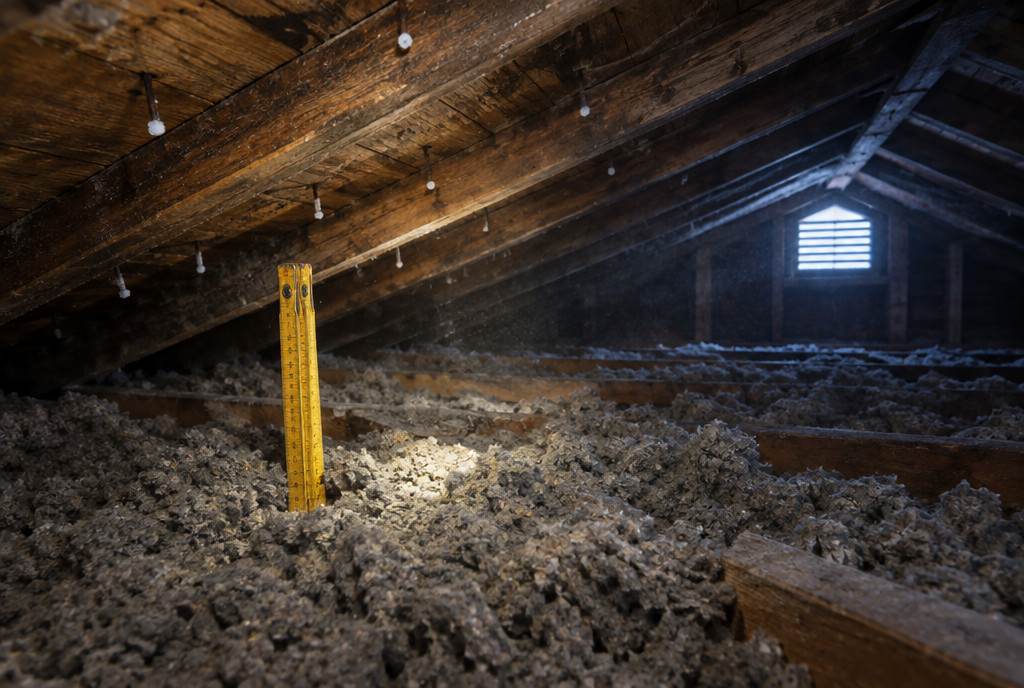
Physical inspection of insulation depth and condition, air bypasses, ventilation baffles — plus identification of vermiculite before anyone disturbs it.

What it establishes: Exactly how much top-up you need, whether sealing must happen first, and any safety flags (vermiculite, knob-and-tube) that change the plan.

Performed by: Energy advisor · Included in every EnerGuide assessment

12-month utility bill analysis

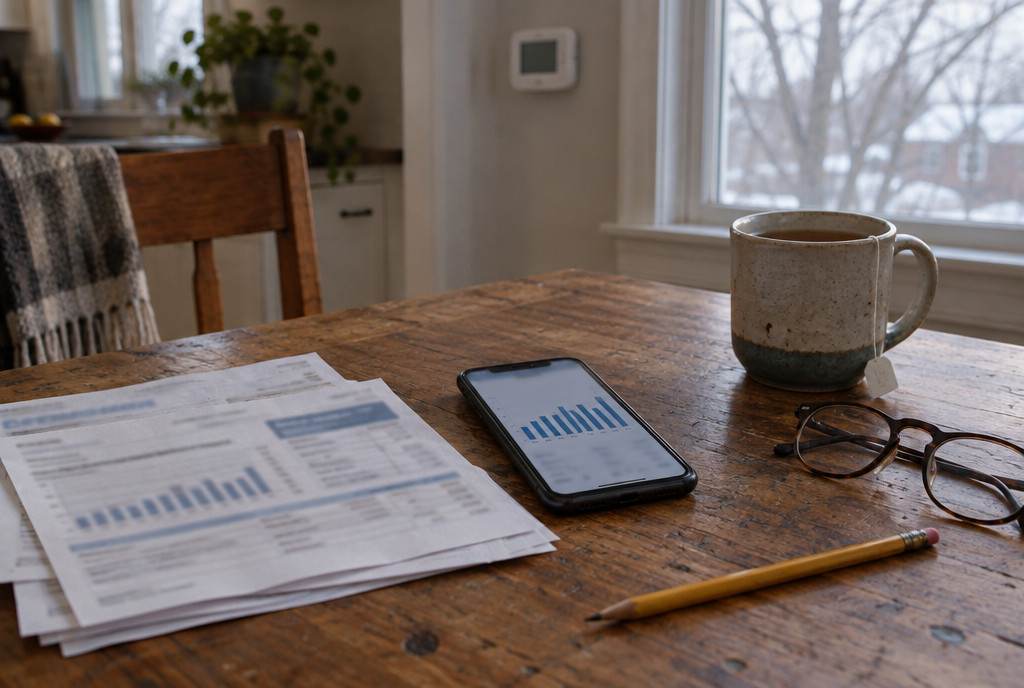
Your actual gas and hydro history, weather-normalized and split into baseload vs. heating — the ground truth every projection should start from.

What it establishes: Your real baseline, how your home compares to similar ones, and the yardstick you'll use to verify savings after upgrades. Our planner does a rough version; your advisor's model refines it.

Performed by: You + your energy advisor · Bring your bills to the assessment — it sharpens everything

Health & safety The tests audits don't cover

Your energy advisor will flag some of these, but they're separate tests by separate professionals — and a few (radon above all) belong on every homeowner's list regardless of any renovation plans.

Radon test

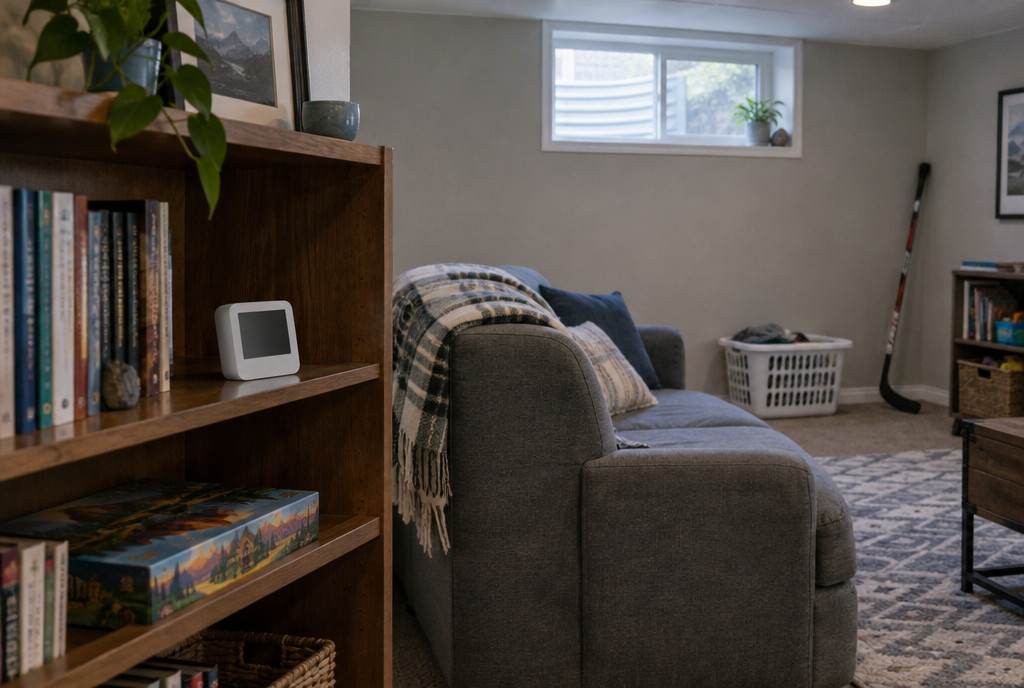
Radon is an invisible, odourless radioactive gas that seeps from the ground into basements — and the second-leading cause of lung cancer in Canada. Health Canada recommends every home be tested.

What it establishes: Whether your long-term average exceeds Canada's 200 Bq/m³ guideline. Test for at least 3 months over winter with a ~$30–$60 kit, or hire a C-NRPP-certified professional. If levels are high, mitigation (a sub-slab depressurization fan) typically runs $2,000–$4,000 — and air-sealing a basement without knowing your radon level is doing it blind.

Performed by: DIY long-term kit or C-NRPP-certified measurement pro · $30–$60 DIY · pro measurement varies

Carbon monoxide (CO) alarms & check

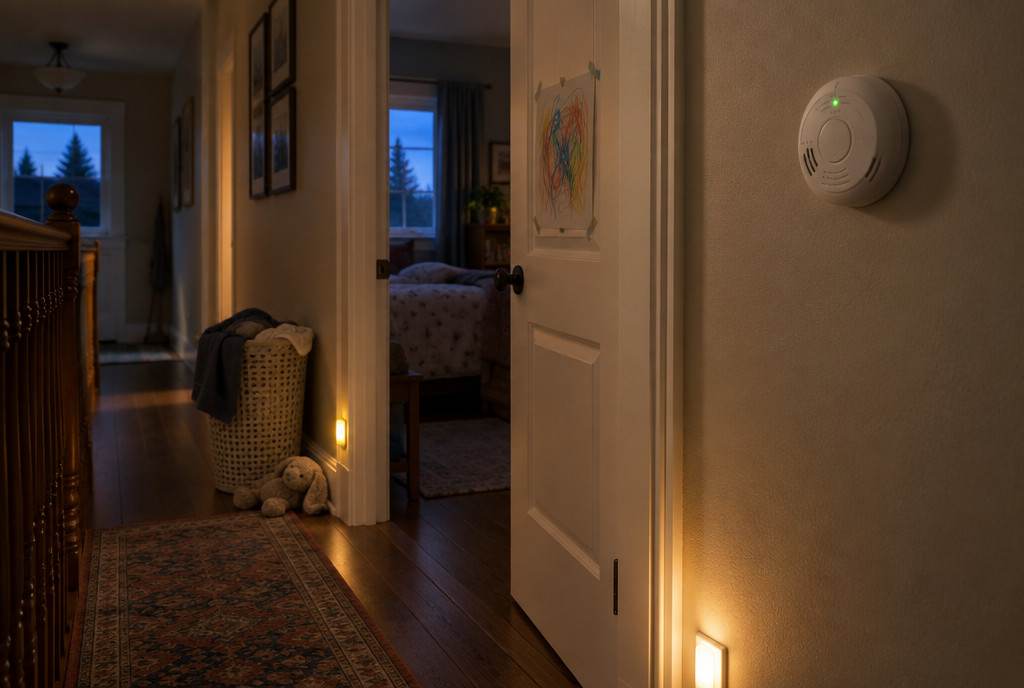
CO from fuel-burning appliances is odourless and lethal. Ontario law requires CO alarms near sleeping areas in homes with fuel-burning appliances or attached garages.

What it establishes: That your alarms exist, work, and haven't expired (they have end-of-life dates), and — via the audit's combustion spillage check — that appliances aren't backdrafting in the first place.

Performed by: You (alarms) + energy advisor / gas tech (spillage) · $40–$80 per alarm

Mold & indoor air quality sampling

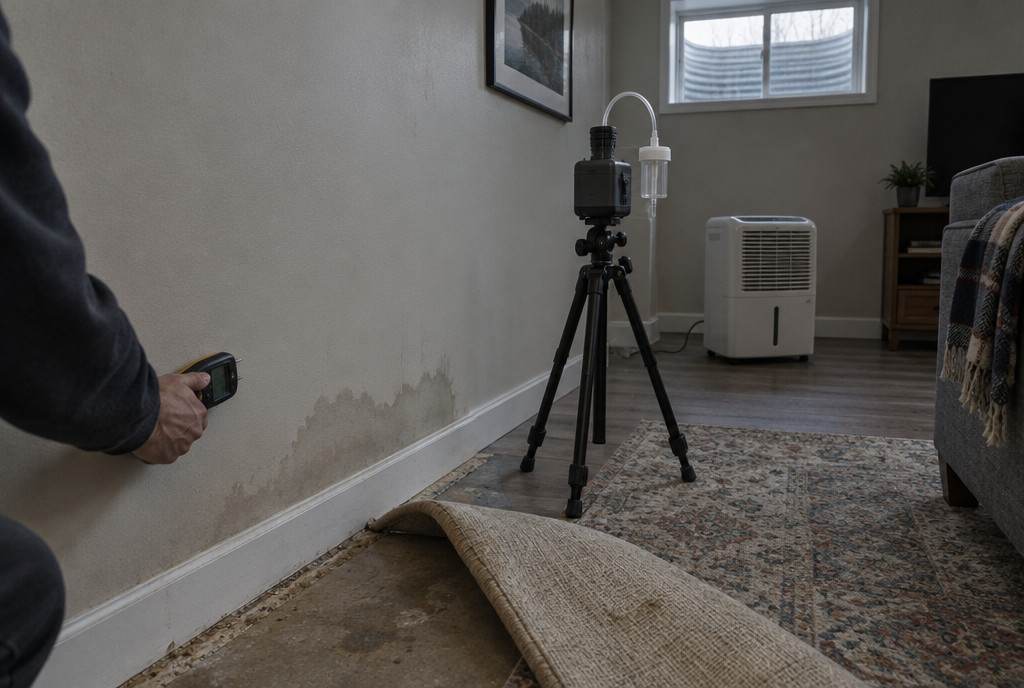
Air or surface sampling identifies mold species and spore concentrations when you can smell mustiness but can't find the source.

What it establishes: Whether you have an active mold problem and where — but remember: sampling finds the symptom. The audit's moisture and ventilation diagnostics find the cause, and fixing the cause is the actual cure.

Performed by: IAQ/mold professional (CSSA or IICRC-affiliated) · $300–$600 for a typical sampling visit

Asbestos & vermiculite sampling

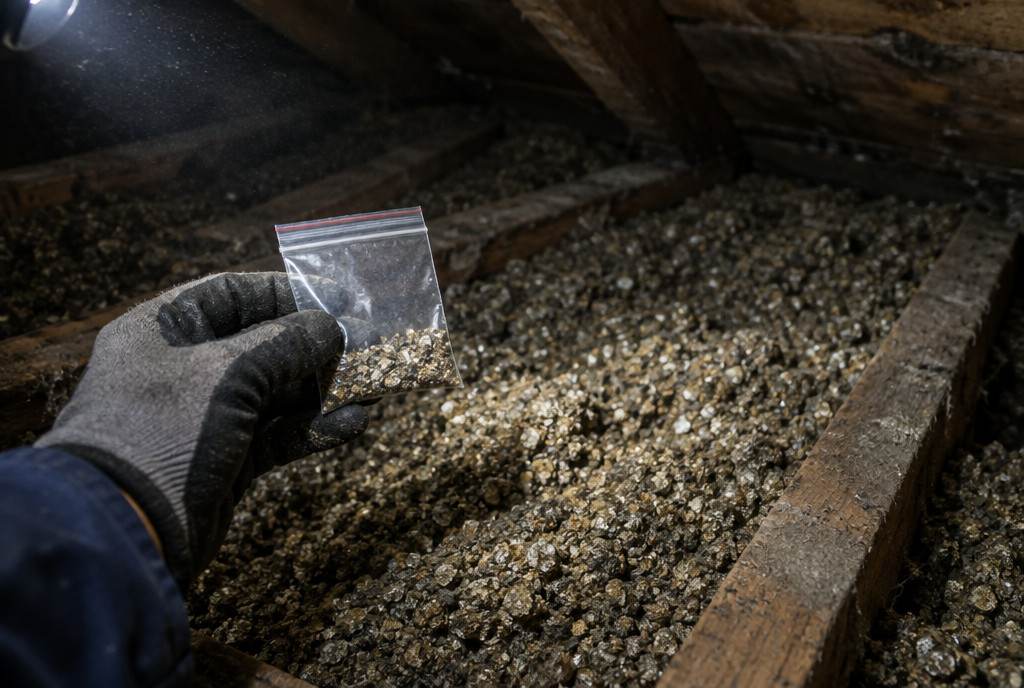
Homes built before ~1990 may contain asbestos in vermiculite attic insulation, duct wrap, floor tiles, or plaster. Lab analysis of a professionally-taken sample is the only way to know.

What it establishes: Whether insulation or renovation work can proceed normally, or needs abatement first. Never disturb suspect vermiculite — sample first. This one changes the whole renovation sequence.

Performed by: Licensed asbestos/hazmat professional · $50–$150 per lab sample; abatement quoted separately

Lead paint testing

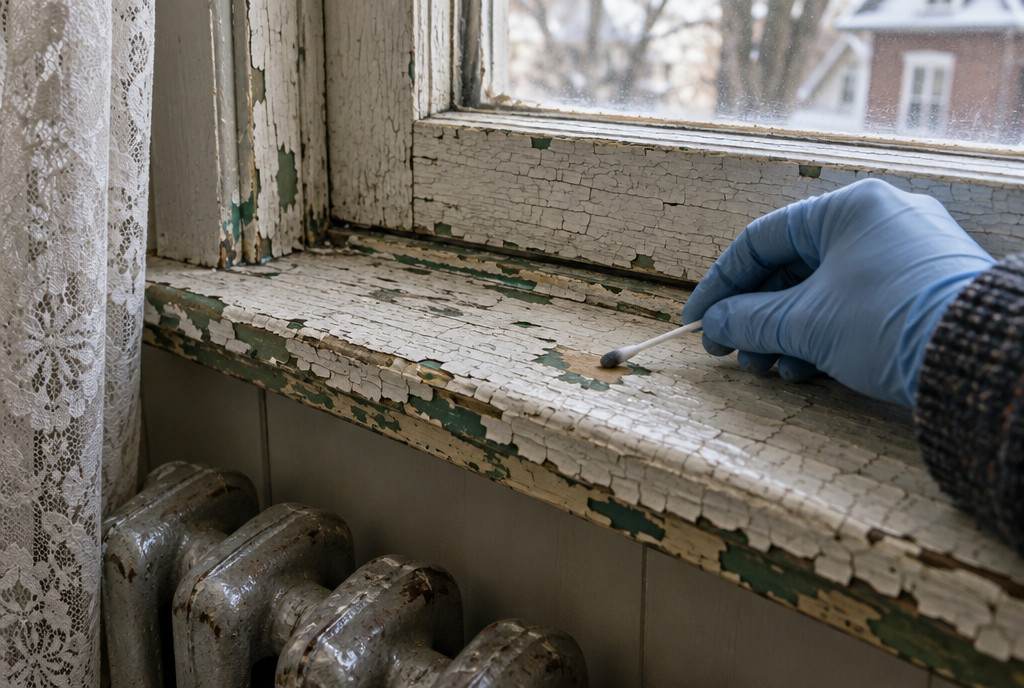
Homes built before 1960 very likely contain lead paint; before 1990, possibly. It matters when renovations will disturb painted surfaces — sanding old paint spreads lead dust.

What it establishes: Whether window/trim replacement and wall work in an older home needs lead-safe practices. Swab kits screen cheaply; labs confirm.

Performed by: DIY swab kits or environmental testing firm · $15–$40 for swab kits

Well water testing (rural homes)

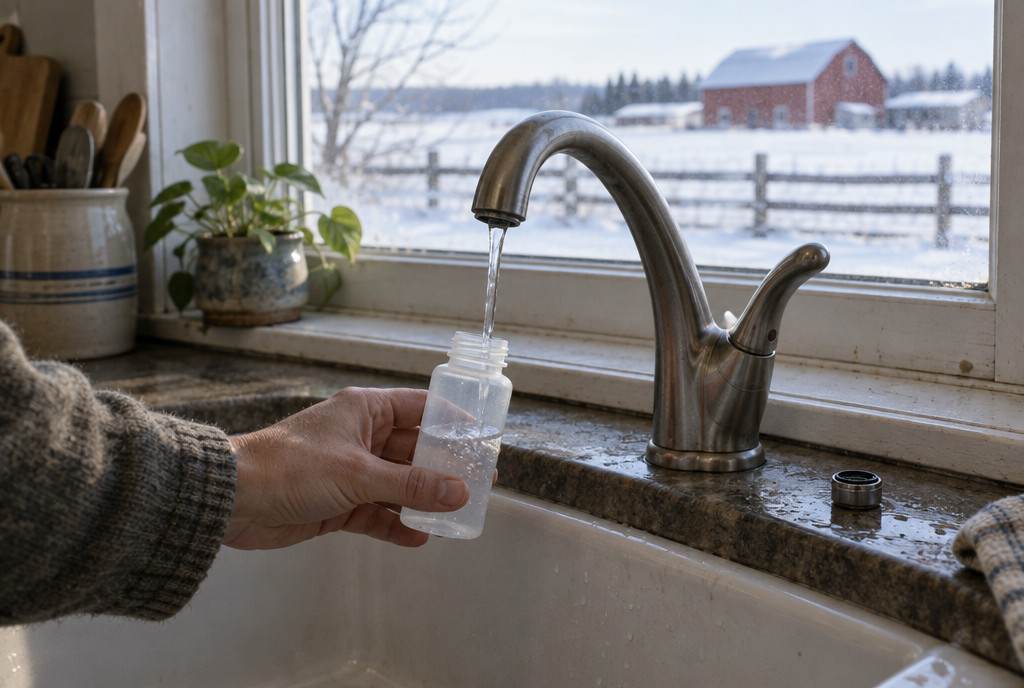
Private wells should be tested at least annually for bacteria — free through Public Health Ontario — and periodically for nitrates and metals.

What it establishes: That your water is safe, and a documented history that matters at resale. Rural buyers: test before closing.

Performed by: You + Public Health Ontario lab (bacteriological is free) · Free (bacteria) · $100–$300 (extended panels)

The sensible sequence

Start your radon kit now (it needs 3 winter months). Book the EnerGuide assessment and ask for the add-ons your symptoms call for — duct testing for hot/cold rooms, a CSA F280 calculation before any heat pump quote. If your home predates ~1990, sample suspect vermiculite before anyone touches the attic. Fix causes before sampling for mold. And check your CO alarm expiry dates today — that one's free.

Common questions

Which tests are included in an EnerGuide assessment?

The blower door test, attic inspection, and combustion spillage check are core to every EnerGuide evaluation, and most advisors include thermal imaging and bill analysis. Duct-leakage testing and a formal CSA F280 heat-loss calculation are often add-ons — ask for them by name when booking if comfort problems or a heat pump are on your list.

Do I really need a radon test?

Health Canada recommends every Canadian home be tested, because radon is the second-leading cause of lung cancer in Canada and levels vary house to house — even next door to each other. A long-term (3+ month) winter test with a $30–$60 kit is the standard approach; the guideline level is 200 Bq/m³. It matters extra when you plan to air-seal or finish a basement.

What order should I do tests in?

Energy tests come with the audit — book the EnerGuide assessment and ask for the add-ons your situation needs. Radon runs in parallel (it takes 3 months, so start the kit early, ideally over winter). Asbestos/vermiculite sampling comes before any insulation work in pre-1990 homes. Mold sampling only makes sense after moisture and ventilation diagnostics have located the cause.

Can one professional do all of these?

No — and be wary of anyone who claims to. Your NRCan-registered energy advisor covers the energy tests. Radon measurement pros carry C-NRPP certification, asbestos needs a licensed hazmat firm, and mold sampling is its own trade. The audit is the hub: its findings tell you which specialists you actually need.

Book the tests that matter for your home

Tell us your situation — we'll match you with a registered service organization and flag which add-on tests to request.

Email us what you’re planning and your postal code — we’ll reply with registered service organizations for your area and which rebates apply.

Email hello@audityourhome.com

Direct booking is coming — this inbox is answered by a person.