Wildfire smoke getting into the house
On smoky days the house smells of smoke, eyes sting indoors, and opening a window isn't an option.
See how this fits your house: get your free plan → (six short steps, no email)
What it usually means
- Outdoor air leaking in around doors, windows, the attic hatch and the rim joist: the leakier the house, the more smoke comes in with it
- A furnace or air-handler filter too coarse to catch fine smoke particles, or one that's clogged
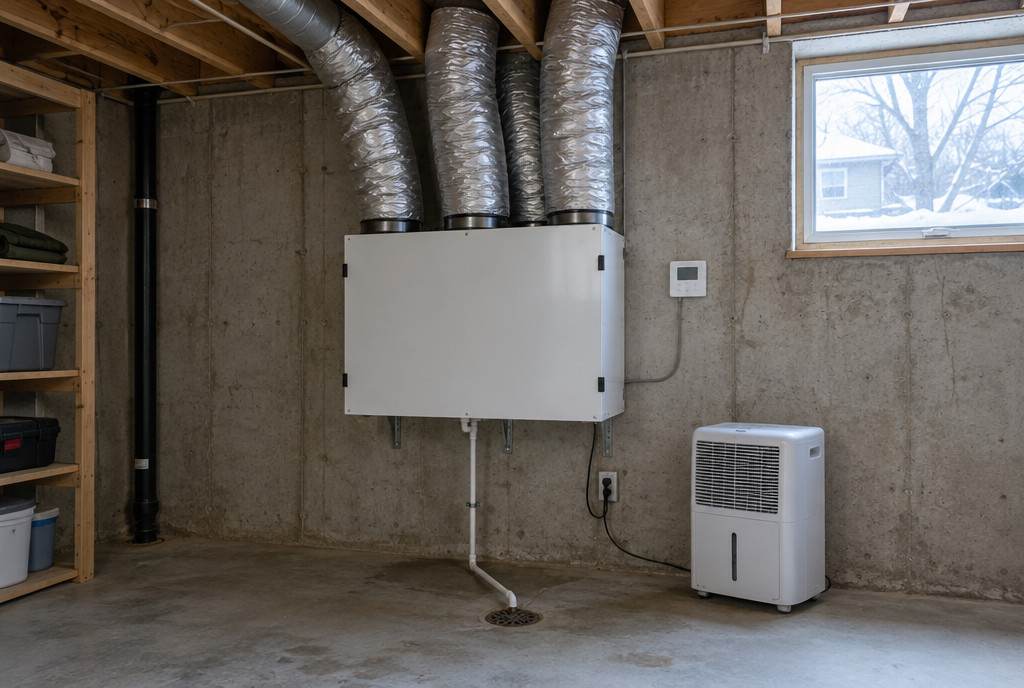
- Bathroom and kitchen fans, the dryer and an HRV or ERV pulling outdoor air into the house while the smoke is thick
What an audit measures
- A blower-door test measures how leaky the house is, and a thermal camera or smoke pencil shows where outdoor air gets in
- The advisor looks at your furnace or air handler and ventilation, so you know what filter the system can take and how the HRV or ERV is set up
Try first (cheap or free)
- Keep windows and doors closed as much as you can, and limit bathroom and kitchen exhaust fans while the smoke is heavy (Government of Canada)
- Use the best filter your system can handle; BC health authorities suggest MERV 13 or higher where the furnace or air handler allows it, and change filters more often during smoke events
- Run a certified portable air cleaner with a HEPA filter, sized for the room, in the room where you sleep, and avoid models that make ozone
- An HRV or ERV brings in outdoor air: check the manual or ask the installer how to run yours on smoky days, then ventilate the house once the air clears
- Watch the Air Quality Health Index (InfoSmog in Quebec), and if you cannot keep the air clean or cool at home, ask your local authority about cleaner air spaces
The fix ladder
- MERV 13 furnace filter (if the system can take it) and a HEPA air cleaner for the bedroom
- Air sealing guided by a blower-door test
- A heat pump, so you can keep windows shut and still stay cool
Who to call
- 9-1-1 for an emergency or urgent medical need (Government of Canada).
- Your local authority or public health office, for cleaner air spaces when your home cannot be kept clean or cool.
- An HVAC contractor, to confirm which filter your furnace or air handler can take and how your HRV or ERV should run on smoky days.
- A registered energy advisor, for a blower-door test that shows where outdoor air gets in.
Sources
- Government of Canada — Wildfire smoke, air quality and your health: protecting your physical and mental health (modified 2026-07-20)
- Island Health, Health Emergency Management BC and First Nations Health Authority — Wildfire smoke information for community health partners and local governments (MERV 13 filters, HEPA air cleaners)
Want it diagnosed properly?
A registered energy advisor measures instead of guessing — blower door, thermal imaging, and a written upgrade report priced against rebates.