Heating, cooling and hot water · verified October 8, 2026
Thermostat management: setbacks, smart controls and humidity
NRCan says a drop of 1°C over eight hours can save about 2% of heating energy. Yet in 2023 only about half of Canadian households with a thermostat turned it down while they slept.
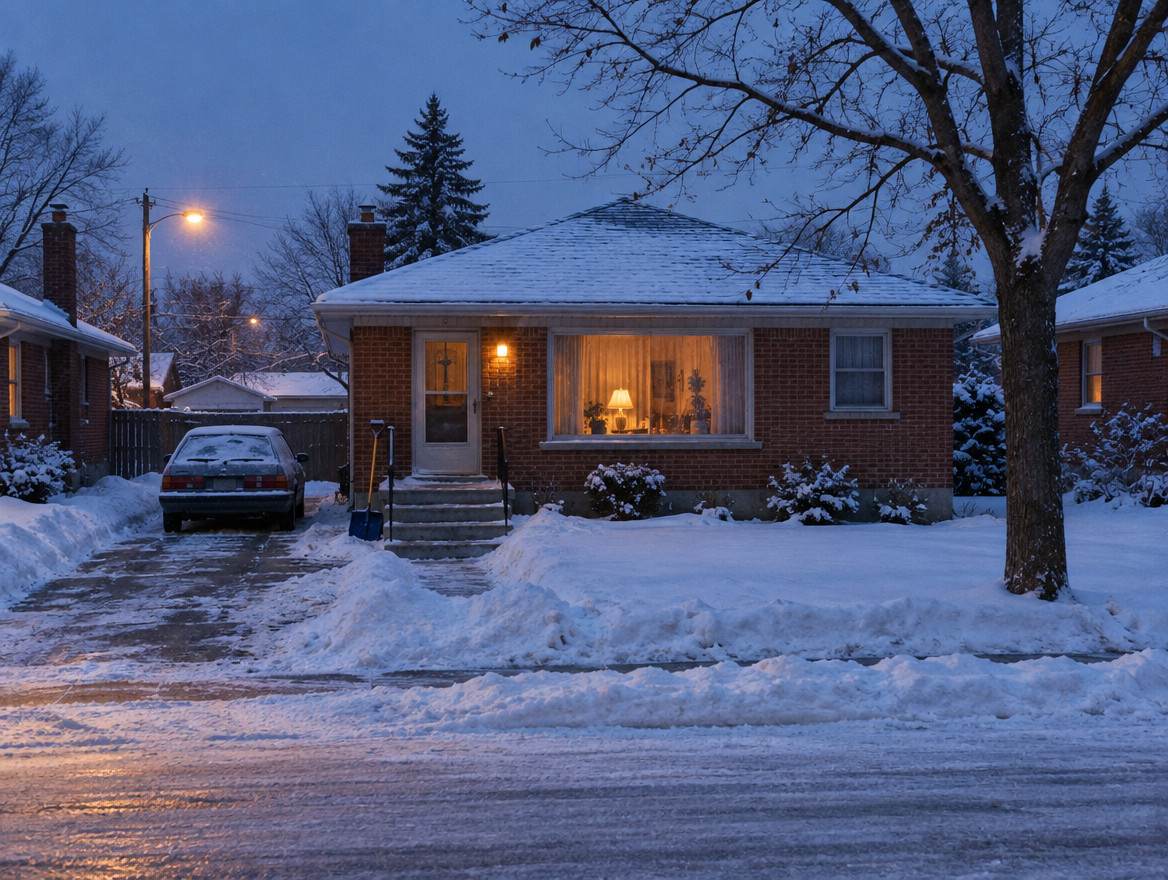
- ≈2% Heating energy saved for each 1°C of setback held for 8 hours Source: NRCan ↗
- 17°C / 20°C NRCan's suggested settings: asleep or away / awake and home Source: NRCan ↗
- 51% of households with a thermostat turned it down while asleep in winter (2023) Source: Statistics Canada ↗
How setbacks save energy
NRCan's wording in Keeping the Heat In ↗: “A drop of 1°C (2°F) over an eight-hour period can save about 2 percent on your heating energy consumption.” It adds that turning the heat down is worthwhile whenever you are away for more than three or four hours, and that a basic programmable thermostat should allow at least two setback periods a day, for example one overnight and one while everyone is out.
How far? The ENERGY STAR guidance NRCan publishes for smart thermostats ↗ says lowering the temperature 2°C to 3°C is optimal, and suggests 17°C when you are sleeping or out and 20°C when you are home and awake. NRCan advises against going below 17°C in general because of the risk of moisture build-up in exterior walls; for absences of a week or more, keep indoor humidity low if you set it lower. NRCan also notes that space heating and cooling make up almost two-thirds of home energy use.
Most Canadians have the equipment but don't use it fully. In Statistics Canada's 2023 Households and the Environment Survey ↗, 91% of households had at least one thermostat, and 61% of those had a programmable main thermostat, up from 42% in 2007. Yet only 51% of households with a thermostat lowered it in winter while asleep, and 43% kept it the same. Among households with a programmable thermostat, 62% turned it down at night.
Heat pumps, baseboards and hot-water systems
Heat pumps
Heat pumps respond more slowly than furnaces. NRCan's heat pump guide ↗ recommends setbacks of no more than 2°C, or a smart thermostat that switches the system on early to recover from a setback, and setting any electric backup heat 2°C to 3°C below the heat pump's set-point. After a deeper setback, the backup system may run until the heat pump catches up, which cuts into the savings. The US Department of Energy ↗ puts it plainly: don't set back a heat pump if it makes the backup heat come on. Hydro-Québec ↗ goes further and suggests keeping a heat pump at a constant temperature, for example 21°C, with baseboard heaters around 19°C.
Electric baseboards
Baseboards use line-voltage thermostats (120 or 240 volts) in each room or area, which Hydro-Québec ↗ recommends having installed by a master electrician. It estimates that replacing conventional thermostats with smart ones could save up to 10% on heating costs a year, and suggests lowering the temperature in unoccupied rooms and keeping their doors closed.
Hot-water (hydronic) systems
NRCan's setback advice excludes some hydronic systems with slow response times. For these it points to thermostat-controlled valves on each radiator, and to an outdoor reset control that adjusts the circulating water temperature to the weather.
Smart thermostats, zoning and humidistats
Smart, or connected, thermostats can be adjusted from a phone and report energy use. NRCan says adaptive models, which use weather, occupancy or how close you are to home to set a schedule, provide greater savings than programmable thermostats, and that ENERGY STAR certified models have been independently certified, based on actual field data, to deliver energy savings. Hydro-Québec notes that smart thermostats work best when the temperature is kept stable rather than changed often.
Zoning gives parts of the house their own thermostats. In a forced-air system, NRCan describes dampers in the ducts controlled by separate thermostats; in a hot-water system, thermostat-controlled valves on each radiator.
A humidistat controls humidity rather than temperature, and NRCan ↗ notes it tracks humidity more accurately than watching windows. If you have a furnace humidifier or an HRV dehumidistat, adjust it with the seasons. NRCan's table, at 21°C indoors, puts the condensation limit for ordinary double-glazed windows at 44% relative humidity when it is −10°C outside and 34% at −20°C.
Signs of trouble and what an energy advisor checks
Uneven temperatures are often blamed on the thermostat when the cause is elsewhere. NRCan notes that undersized or leaky ducts and poorly placed return grilles cause discomfort and higher bills; that in summer a single main-floor thermostat can leave the second floor too warm and the basement too cold; and that a furnace left oversized after a retrofit can short-cycle and swing temperatures. On a heat pump, backup heat that comes on after every setback is another sign the settings need work.
Tests that help:
- A 12-month bill analysis separates heating from baseload use, showing what a setback is worth in your house.
- Blower door and thermal imaging tests locate air leaks and missing insulation.
- Duct leakage and airflow testing shows whether some rooms are short of warm air.
Practices and upgrades, from simplest to biggest
| Fix | Typical cost | What it does | DIY or pro? |
|---|---|---|---|
| Program two setback periods: 17°C asleep or away, 20°C at home | No cost | About 2% of heating energy saved per 1°C held for 8 hours (NRCan) | DIY |
| Lower the temperature in unused rooms and close their doors | No cost | Heats only the rooms in use (Hydro-Québec) | DIY |
| Heat pump: keep setbacks to 2°C or less and set backup heat 2°C to 3°C lower | No cost | Keeps the electric backup from doing the heat pump's job | DIY or installer |
| Adjust the humidifier humidistat or HRV dehumidistat by season | No cost | Limits window condensation and over-drying | DIY |
| Replace a non-programmable thermostat with a programmable or ENERGY STAR smart model; recycle the old one | Varies by model; recycling is free through HRAI | Makes setbacks automatic | DIY or pro |
| Replace baseboard thermostats with smart line-voltage models | Varies by model | Up to 10% lower heating costs (Hydro-Québec) | Master electrician |
| Add zoning: duct dampers with separate thermostats, or radiator valves | Get quotes | Heats each zone to its own schedule | Pro |
Mistakes to avoid
- Cranking the thermostat to warm up faster. Hydro-Québec ↗ notes that setting a higher temperature than you want does not warm the house any faster.
- Deep setbacks on a heat pump. NRCan recommends no more than 2°C, because the backup heat may run until the heat pump catches up.
- Leaving an empty house below 17°C without watching humidity. NRCan links low settings to moisture build-up in exterior walls.
- Constant manual changes on a smart thermostat. Hydro-Québec says they are more effective when the temperature is kept stable.
- Running baseboards at the same set-point as a central system. Hydro-Québec suggests setting baseboards about 2°C lower so both don't run at once.
- Throwing out an old thermostat. Some thermostats contain mercury. HRAI's Thermostat Recovery Program ↗ accepts mercury, electronic and mechanical thermostats for free.
Rebates and next steps
Rebates vary by province and change often. Check current offers in our rebate program tracker, estimate the return on bigger upgrades with the upgrade payback calculator, and use the home energy planner to see where controls fit alongside air sealing and heating upgrades. If you are switching to a heat pump, ask the installer for the best backup heat set-point and setback limit for your system, as NRCan recommends.
Run your numbers
Compare what heating, cooling and hot water cost to run at your city’s energy prices, then put any upgrade in order in your home plan.
Common questions
How much do you save by turning down the thermostat?
NRCan says a drop of 1°C held for eight hours saves about 2% of heating energy. It adds that turning the heat down is worthwhile whenever you are away for more than three or four hours.
What temperature should I set my thermostat at night in winter?
NRCan's ENERGY STAR guidance suggests 17°C while you sleep or are out and 20°C when you are home and awake. NRCan advises against going below 17°C because of the risk of moisture build-up in exterior walls.
Should I turn down my heat pump at night?
Only slightly. NRCan recommends setbacks of no more than 2°C, or a smart thermostat that starts recovery early, so the electric backup heat doesn't come on.
Is it cheaper to keep the heat at one temperature all day?
With a furnace or baseboards, no: NRCan says turning the heat down is worthwhile if you are away for more than three or four hours. Heat pumps and some hot-water systems respond slowly, so keep their setbacks small.
Do smart thermostats work with electric baseboard heaters?
Yes, but baseboards need line-voltage (120 or 240 V) models in each room or area. Hydro-Québec recommends having them installed by a master electrician.
What do I do with an old mercury thermostat?
Don't put it in the garbage. HRAI's Thermostat Recovery Program accepts mercury, electronic and mechanical thermostats for recycling at no charge.
Sources
- NRCan, Keeping the Heat In, Section 9: Operating your house (page modified 2025-09-29) ↗
- NRCan, Keeping the Heat In, Section 2: How your house works (page modified 2025-01-14) ↗
- NRCan, ENERGY STAR: Smart thermostats (page modified 2025-03-19) ↗
- Statistics Canada, StatsCAN Plus article on thermostat use (January 22, 2026; Households and the Environment Survey 2023) ↗
- NRCan, Heating and cooling with a heat pump (page modified 2025-12-24) ↗
- US Department of Energy, Operating and Maintaining Your Heat Pump (archived May 29, 2026; live page returned 404 on Oct. 8, 2026) ↗
- Hydro-Québec, Heat pump tips (checked October 8, 2026) ↗
- Hydro-Québec, Smart thermostats (checked October 8, 2026) ↗
- Hydro-Québec, Heating tips (checked October 8, 2026) ↗
- HRAI, Thermostat Recovery Program ↗
Figures checked against these pages on October 8, 2026. Programs and prices change, so confirm on the official page before you spend.
Have your own house measured
Tell us where you are and what you’re planning. We’ll connect you with a registered service organization for your area — no spam, no shared lead lists.