Ontario · 16 local services · checked September 28, 2026
Home energy audits and home testing in Ottawa
Ottawa gets about 4,354 heating degree-days a year, 16% of its houses were built before 1961, and 26 NRCan-licensed service organizations list its postal codes. Pick a service for the local details.
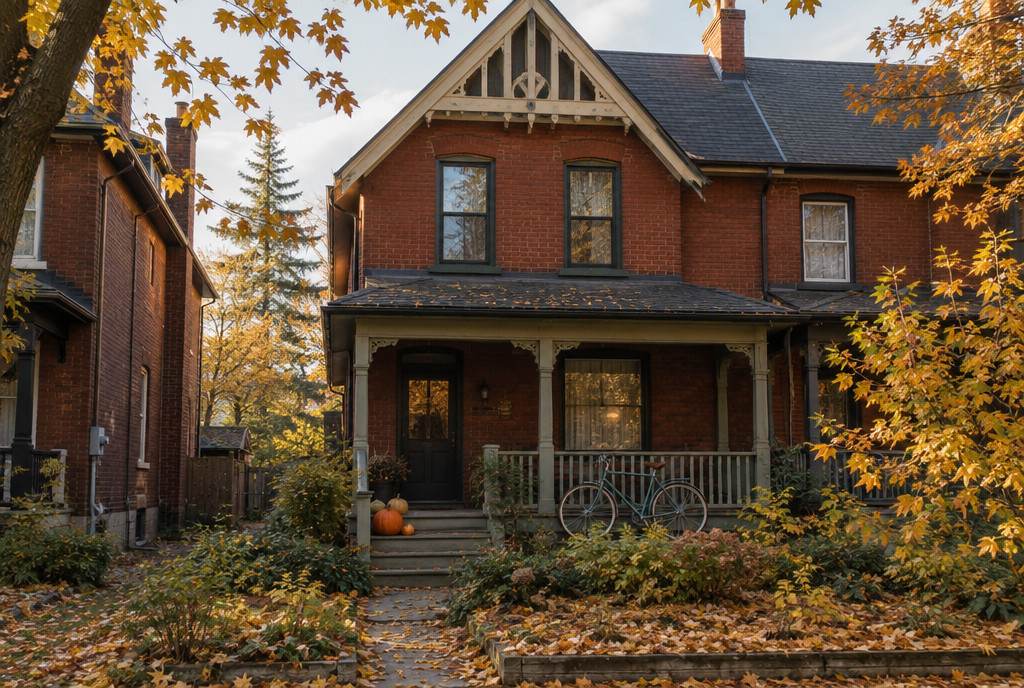
How Ottawa is built
- Before 1961 16%
- 1961–1990 40%
- 1991–2000 13%
- 2001 or later 32%
Ottawa at a glance
Climate
Ottawa gets about 4,354 heating degree-days a year and has a winter design temperature of −24.3°C, according to NRCan's HOT2000 climate data for Ottawa International.
Housing
Of Ottawa's 287,345 houses (single-detached, semi-detached, row houses and duplexes), 16% were built before 1961 and 56% before 1991, according to the 2021 Census. The typical house dates from 1981–1990.
Heating
In the Ottawa (Ontario) part of the Ottawa–Gatineau region, 69% of households heat mainly with a forced-air furnace, 10% with electric baseboards and about 6% with a boiler and radiators; natural gas is the main heating energy for 59% of households and electricity for 21% (Statistics Canada, 2023).
Radon
Health Canada's 2012 survey found 6.2% of 64 homes tested in the City of Ottawa Health Unit health region above the guideline. The larger 2024 Cross-Canada survey reports 17.0% (1 in 6) of houses at or above the guideline for Ottawa-Gatineau Metro Area (Ottawa-Gatineau CMA).
Communities around Ottawa
Ottawa's pages cover the whole City of Ottawa, including Richmond.
The organizations and professionals listed for Ottawa may or may not travel to every community, so ask when you call.
Local service guides for Ottawa
Energy audits and tests
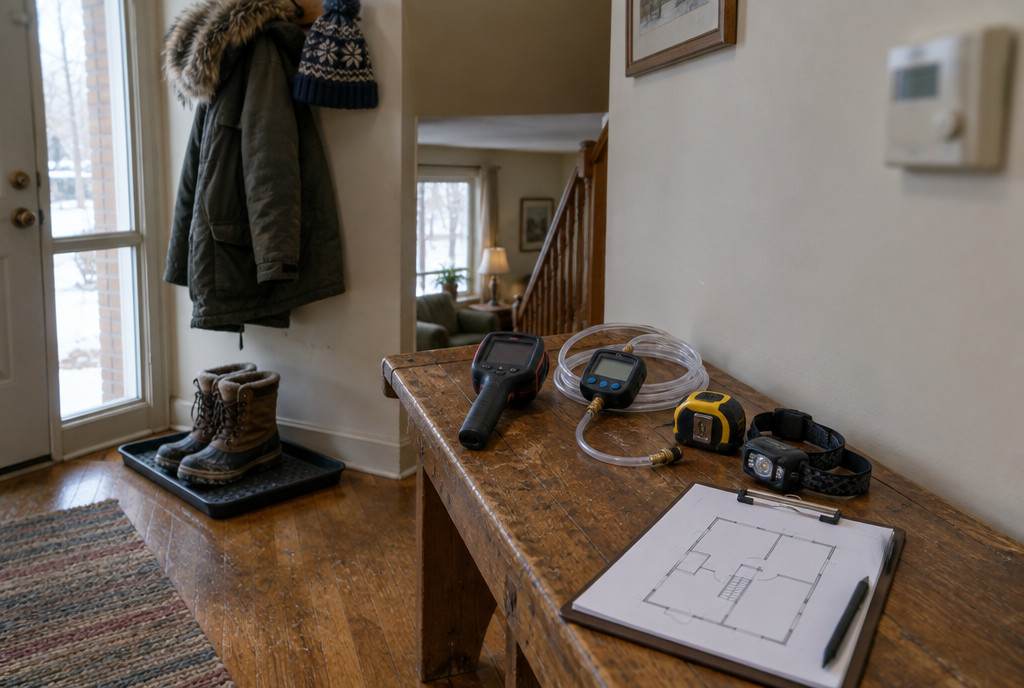
Home energy audit
26 licensed organizations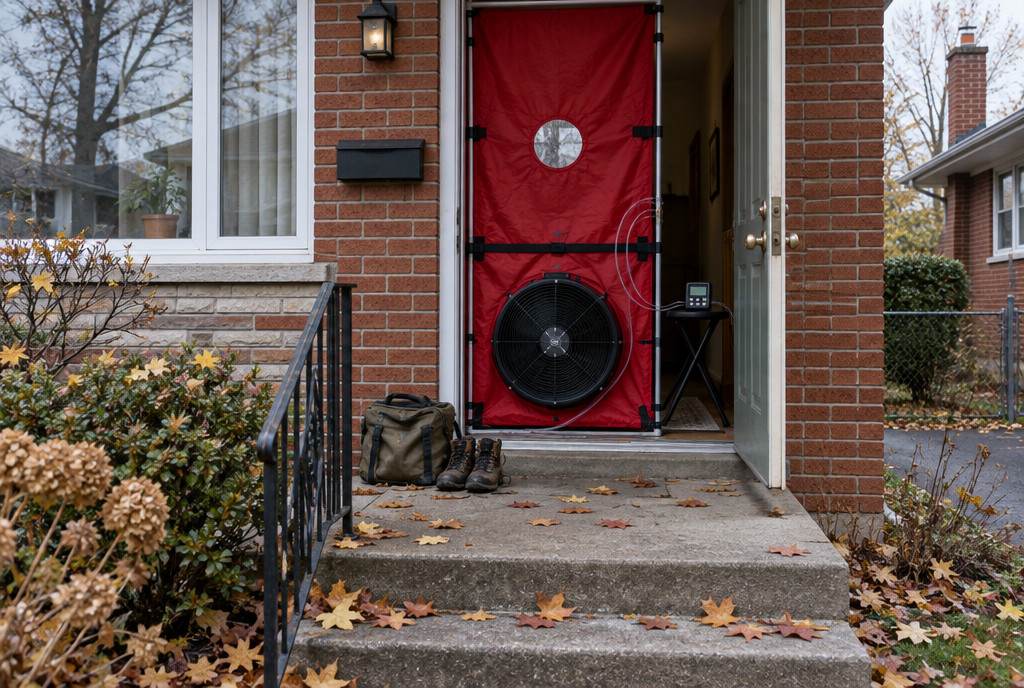
Blower door test
4,354 degree-days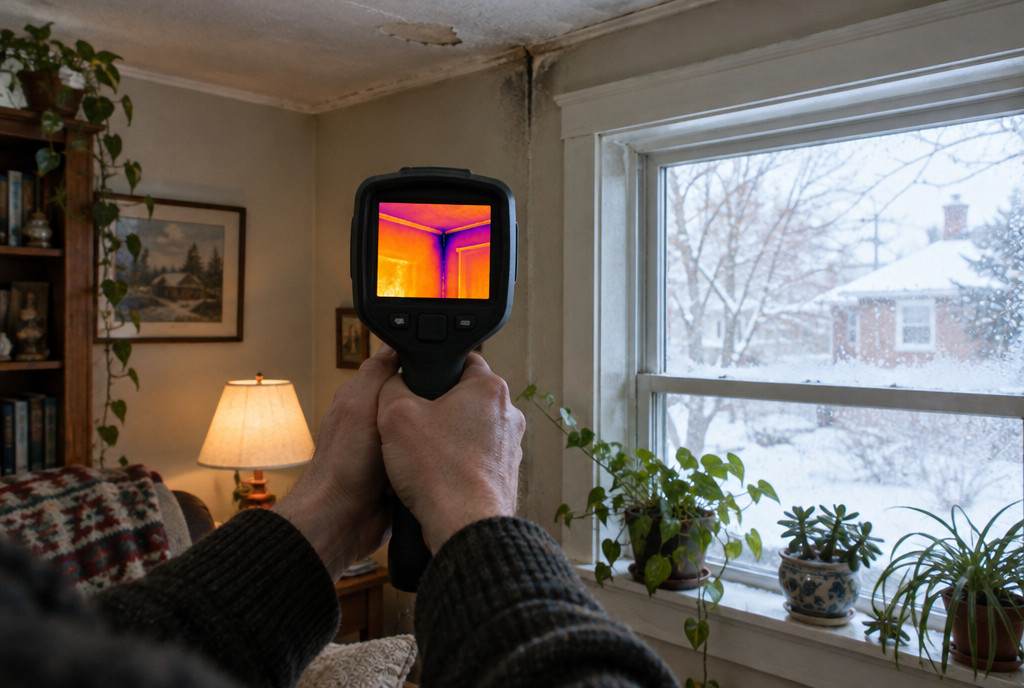
Thermal imaging inspection
4,354 degree-days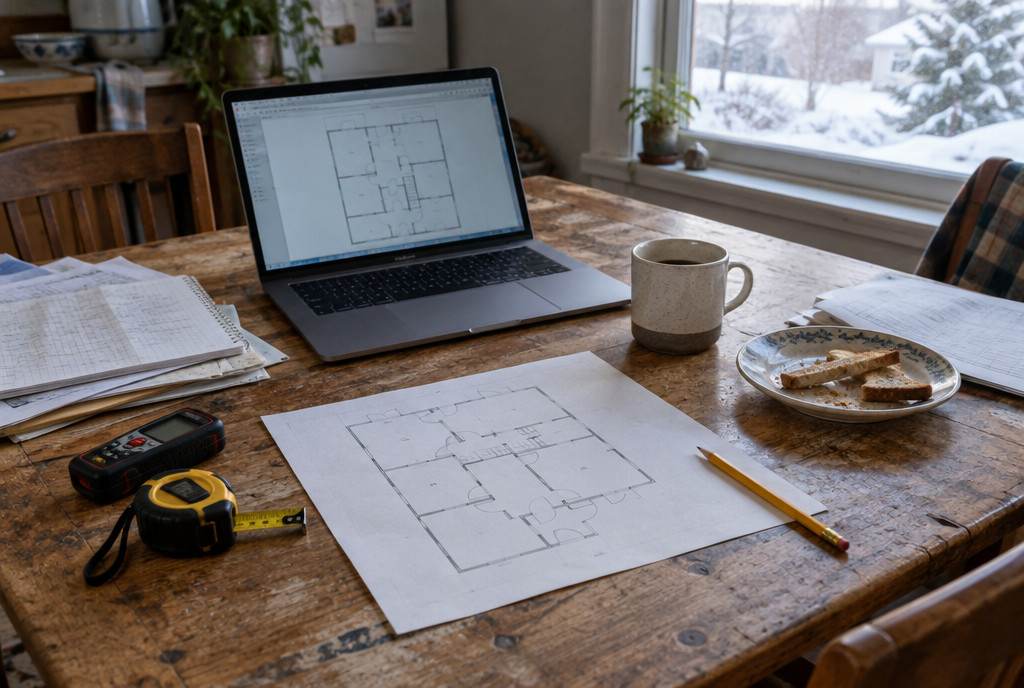
Heat loss calculation
Design temp −24.3°C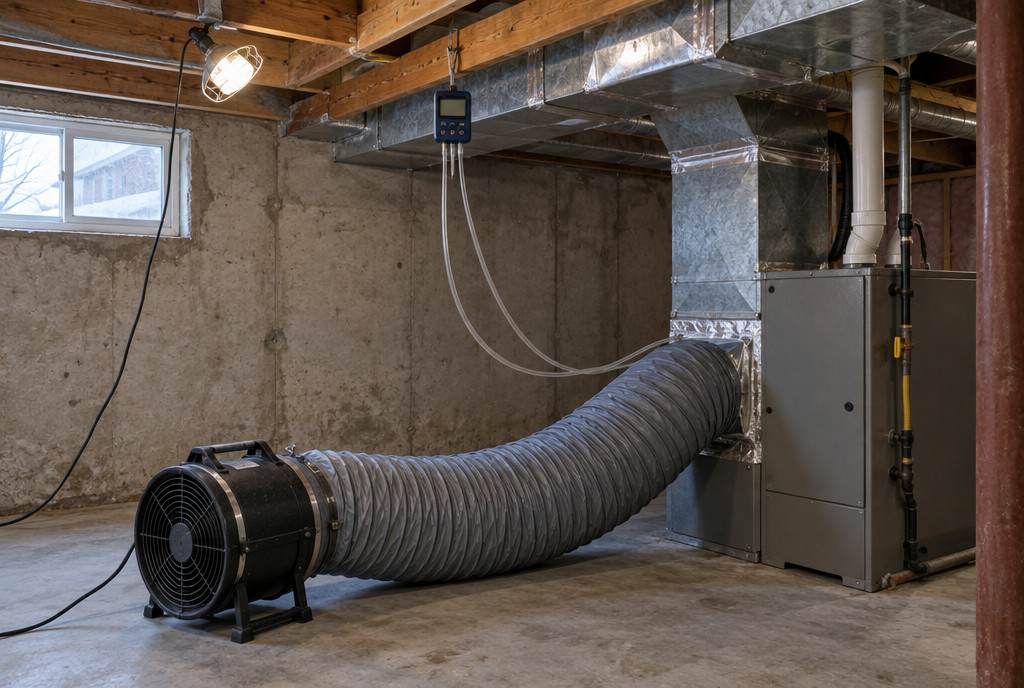
Duct leakage testing
69% forced-air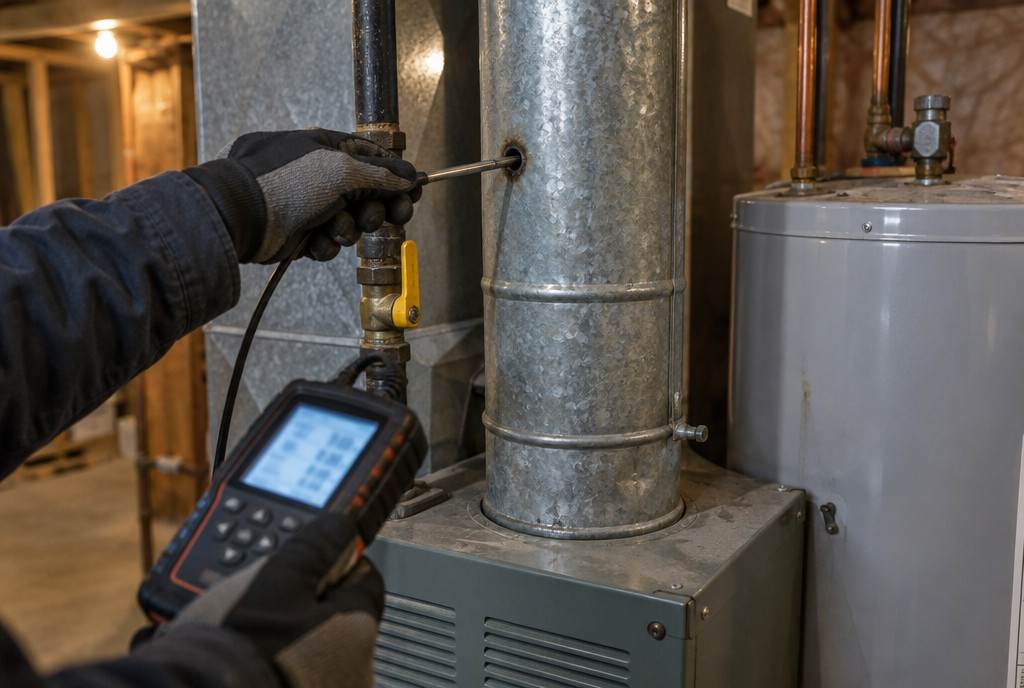
Combustion safety test
59% heat with gas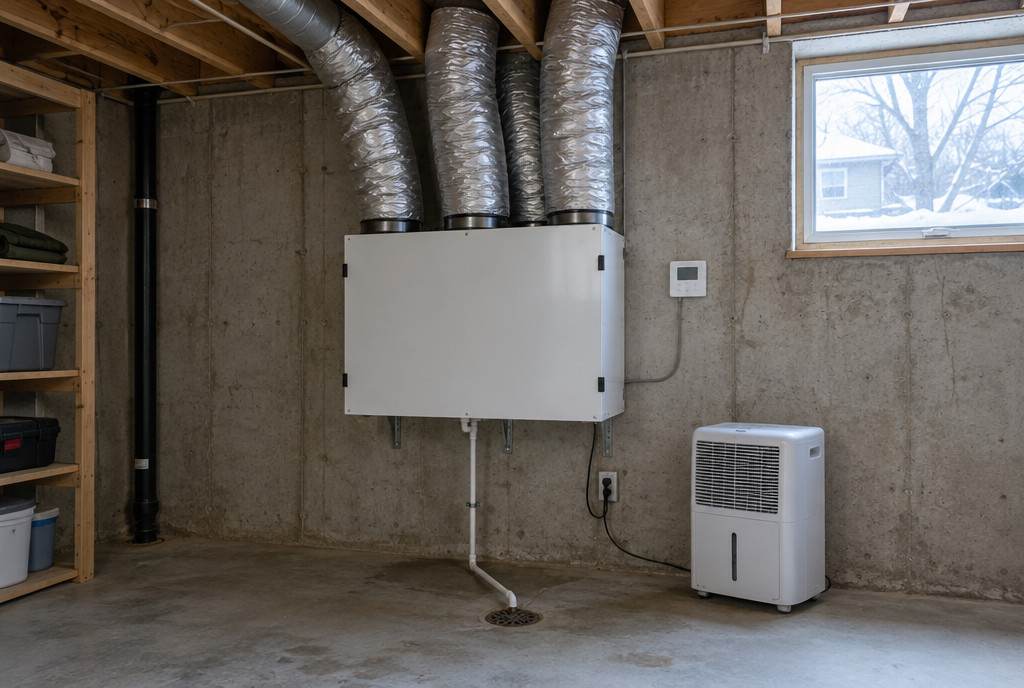
Ventilation and humidity assessment
32% built since 2001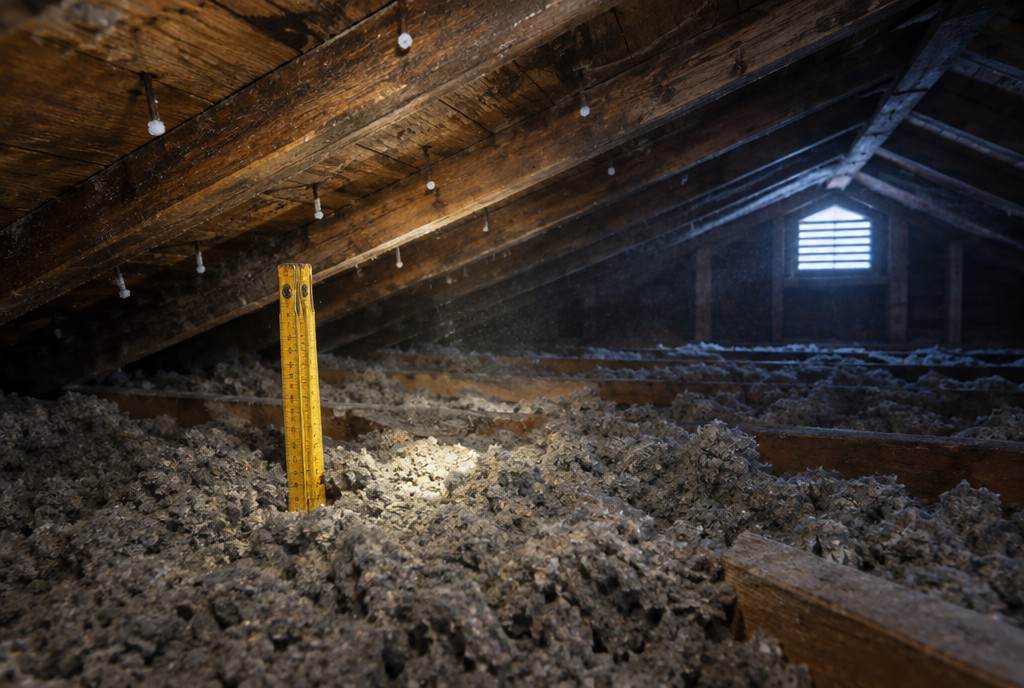
Attic insulation inspection
56% built before 1991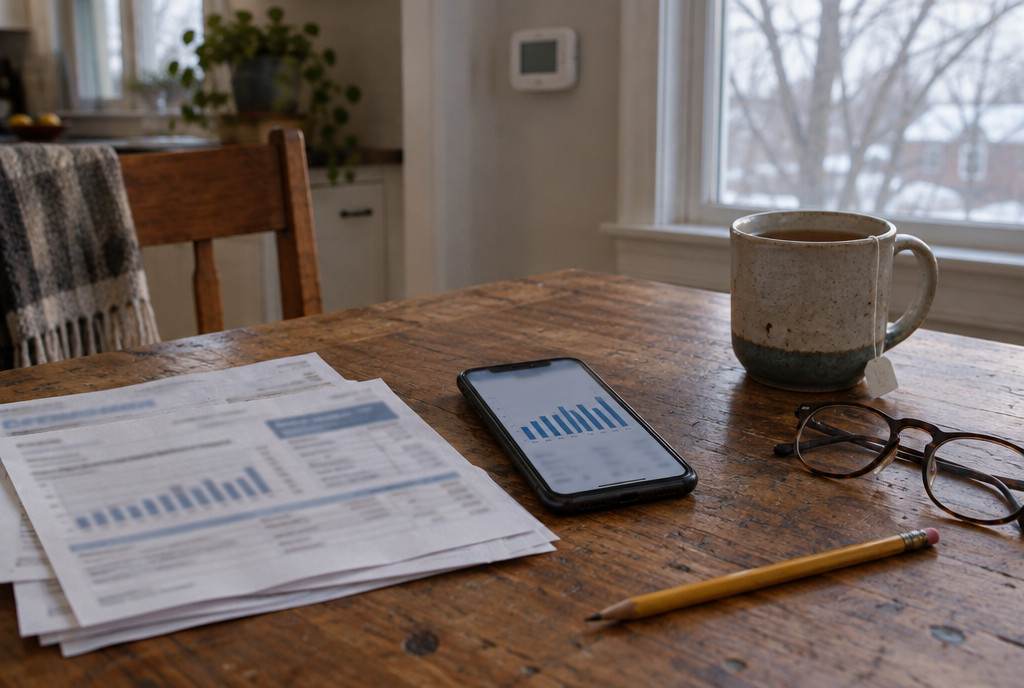
Energy bill analysis
Hydro Ottawa / Hydro OneHome health tests
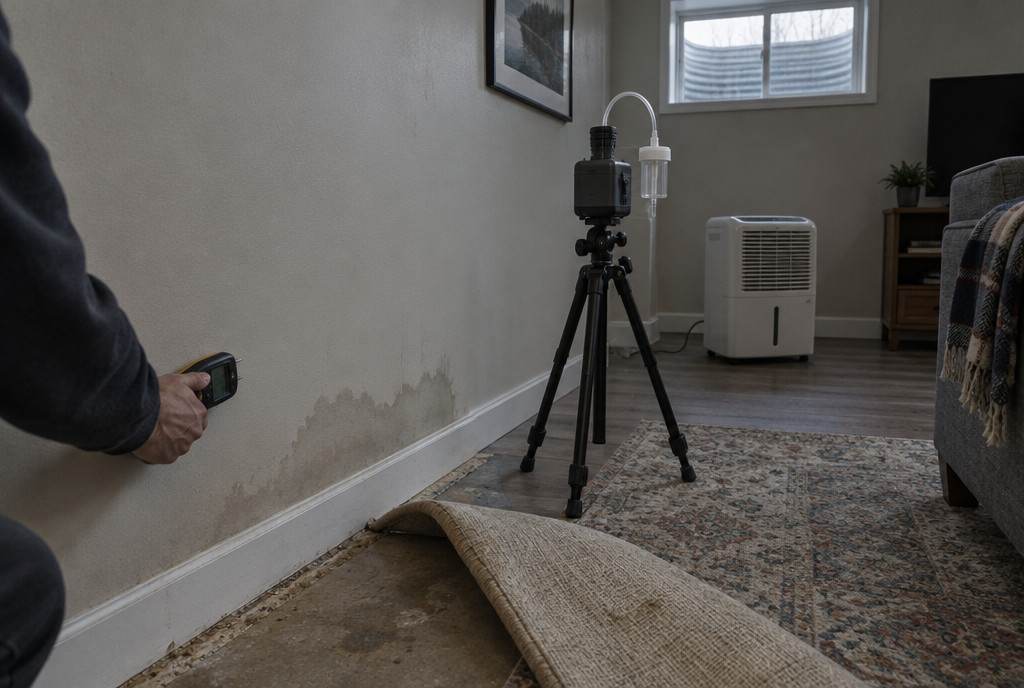
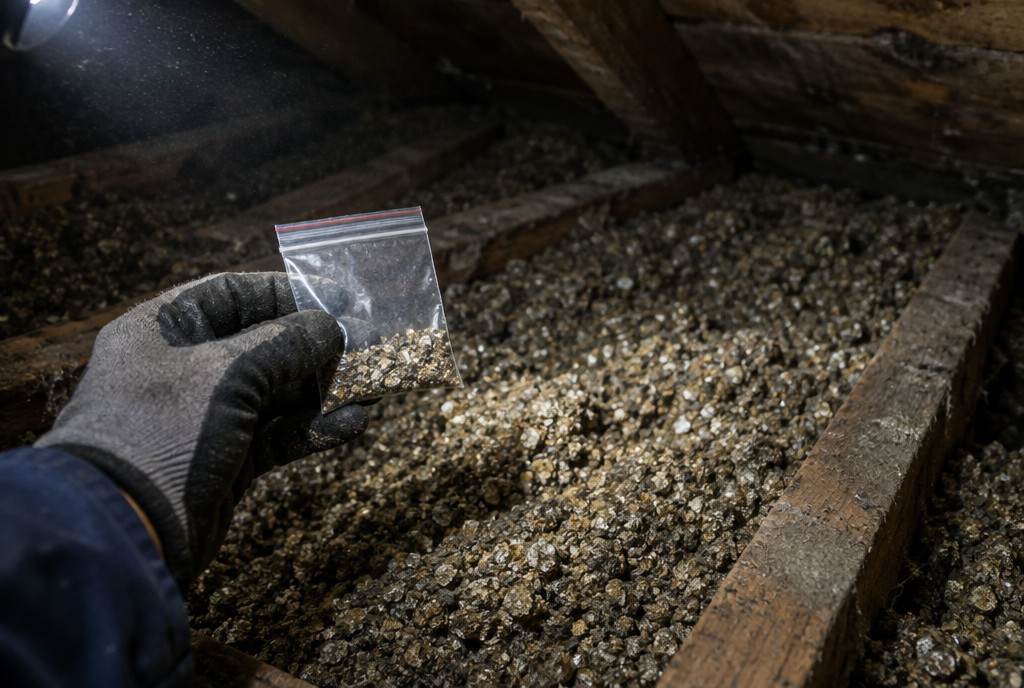
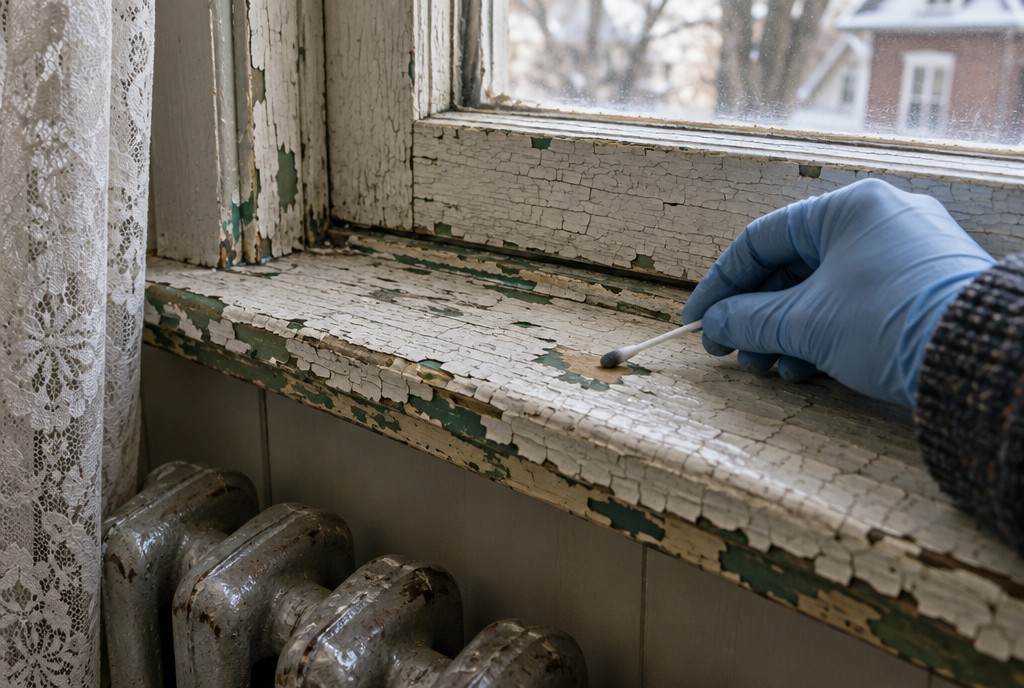
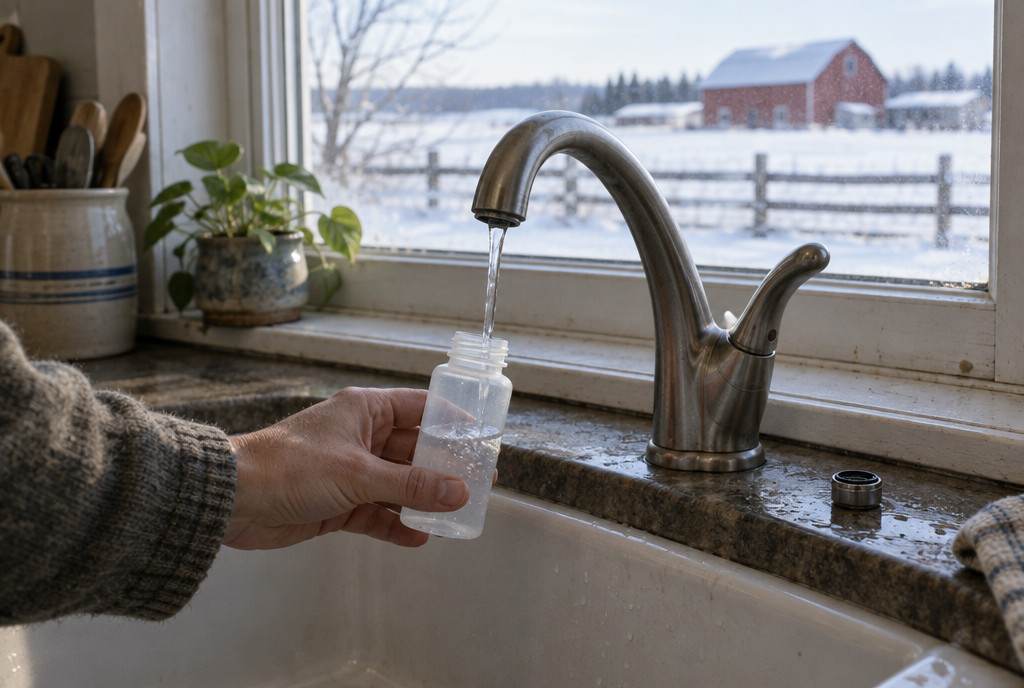
For businesses and buildings
Who does energy evaluations in Ottawa
26 NRCan-licensed service organizations list Ottawa postal codes. See the list with phone numbers and coverage →
Ontario directory: verified advisor profiles for Ottawa, with prices where published.
City programs in Ottawa
Better Homes Ottawa Loan Program
City of Ottawa low-interest loan repaid on the property tax bill: 20-year term at 4.33% fixed, minimum $10,000, maximum $125,000 or 10% of the tax-assessed value (whichever is less), 4% administrative charge. Covers insulation, air sealing, windows, heat pumps, water heaters, solar PV, batteries, Level 2 EV chargers and more. Pre- and post-retrofit EnerGuide assessments required. Detached, semi, townhouse and multi-unit buildings of 3 storeys or less. Delivered with EnviroCentre (page updated July 2026, 'Enroll today').
Better Homes Ottawa Heat Pump Incentive
City incentive for loan-program participants only: $700/ton for cold-climate air-source heat pumps (central or mini/multi-split; NRCan cold-climate list, 80%+ capacity maintenance, at least 12,000 BTU, 55 dB or less); ground-source $1,000/ton plus $5/m of vertical well depth or horizontal loop.
Better Homes Ottawa EnerGuide assessment reduction
For a limited time, loan-program participants can receive a $600 reduction on their approved loan after completing the program, toward the required EnerGuide assessment. Not available to applicants who get the $600 assessment rebate from the Home Renovation Savings Program.
Better Homes Ottawa services (hotline, Energy Coaches, Home Retrofit Planner)
City-funded services delivered by EnviroCentre: a home energy hotline (1-877-580-2582) that helps book EnerGuide assessments, one-on-one or group sessions with Energy Coaches (Registered Energy Advisors), and a Home Retrofit Planner service costing about $1,000 to $1,500 per home for loan participants (free for eligible low-income participants). The site says an initial assessment typically costs $500 to $700 and a follow-up $200 to $300.
Rebates and financing for Ottawa homes
Cities near Ottawa
Sources
- Health Canada — Cross-Canada Survey of Radon Concentrations in Homes, final report (2012), Table 5
- Evict Radon National Study with Health Canada — 2024 Cross-Canada Survey of Radon Exposure (report v1.1)
- NRCan — Canadian Geographical Names Database (official place names)
- Land Information Ontario — municipal boundaries (lower and single tier)
- NRCan — HOT2000 Climate Map: heating degree-days and design temperatures for 403 locations
- Statistics Canada — 2021 Census, households by period of construction and dwelling type (table 98-10-0233-01)
- Statistics Canada — Households and the Environment Survey 2023, primary heating systems (table 38-10-0286-01)
- NRCan — Service organizations for existing homes (list checked September 25, 2026)
Planning upgrades in Ottawa?
Tell us where you are and what you’re planning. We’ll connect you with a registered service organization for your area — no spam, no shared lead lists.