$500–$2,500 pro
Air-seal the ceiling plane first
Top plates, pot lights (covered with rated boxes), stacks, chases, and a gasketed hatch — done before top-up, because insulation over leaks just hides them while the moisture keeps flowing.
Which tests does my home need?
Era, heating, water, symptoms in — your flagged tests out, in 30 seconds.
Run the screener →
Heat & energy
Air
Water & moisture
Your city, read like an auditor
70 Canadian cities, each with its climate, housing age and 16 local audit and testing services.
All 70 cities →
Across Canada
Ontario region guides
Energy test guide · verified October 2, 2026
The attic is where older homes lose heat fastest and where the fix is cheapest — but also where the order of operations matters most and where two hazards can change the whole plan. A proper inspection reads depth and coverage, hunts the air bypasses that no amount of insulation fixes, checks the ventilation path, and flags vermiculite or old wiring before anyone disturbs anything.
Cost
Included in EnerGuide
Common finding
R-10–20 vs ~R-50–60 target
Hazard flags
Vermiculite, knob-and-tube
Sequence
Seal first, then top up
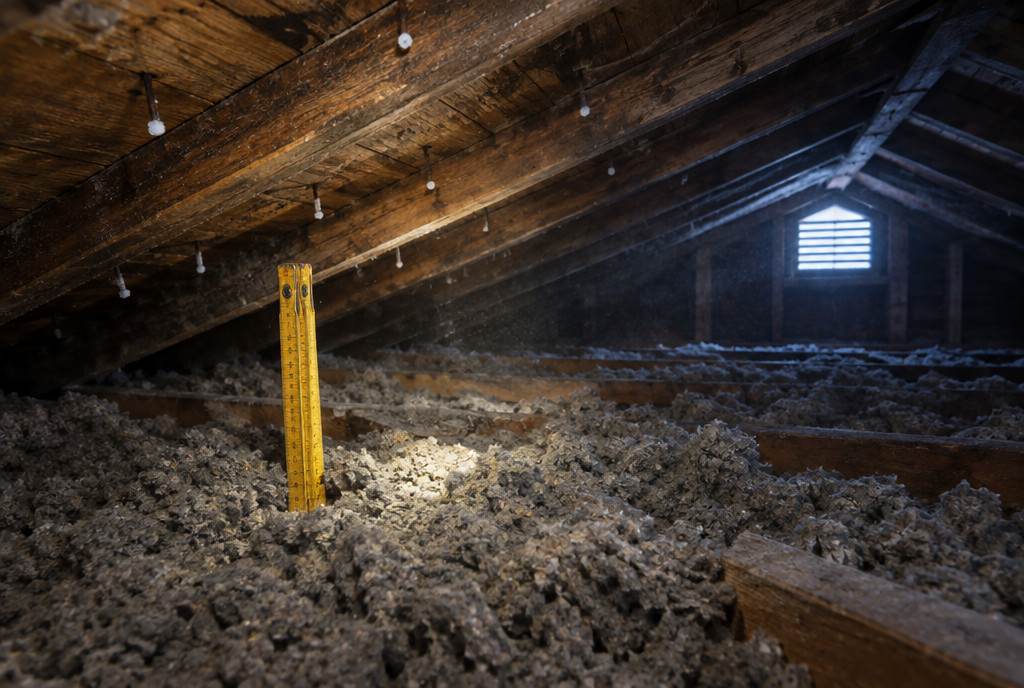
A ruler at multiple spots, not one glance from the hatch: settling, wind-washed edges above the soffits, and gaps around obstructions all cut the real R-value below the nominal one. Older Ontario homes commonly measure a third of today's commonly recommended levels.
Pot lights, plumbing stacks, chimney and duct chases, dropped ceilings, the attic hatch itself — the holes where warm moist house air pours into the attic. These, not thin insulation, are usually what feeds ice dams and frosted sheathing.
Baffles holding the soffit intakes open, insulation not blocking them, roof exhaust doing its share. Winter frost on nail tips and stained sheathing are the tell that moist air is arriving faster than ventilation removes it.
Pebbly gold-brown vermiculite means stop and sample — treat it as asbestos-containing until a lab says otherwise. Knob-and-tube or early wiring must not be buried in insulation and needs an electrician's clearance first. Bath fans dumping into the attic get fixed as part of any plan.
The output is a sequence: seal these bypasses, fix these terminations and baffles, then top up to the target — with photos, so quotes compete on the same scope and the after-photos prove the work.
Included in every EnerGuide assessment. If you're getting insulation quotes without an audit, insist the quote name air sealing line-by-line and state the hazard check — a top-up quote that mentions neither is a quote to bury your problems under new insulation.
The fixes, in the order they must happen:
$500–$2,500 pro
Top plates, pot lights (covered with rated boxes), stacks, chases, and a gasketed hatch — done before top-up, because insulation over leaks just hides them while the moisture keeps flowing.
$1,500–$3,500 typical
Loose-fill to the target depth with depth markers installed. This is the headline item rebate programs love — and the one that underperforms forever if step one was skipped.
$30–$150
Hatch gasket and insulation cap, weatherstripped pull-down stairs, baffles at accessible soffits — legitimate weekend work after the sealing plan is set.
Quoted after lab/inspection
Vermiculite: sample first, then manage-in-place or licensed abatement — the asbestos & vermiculite guide covers it. Knob-and-tube: electrician evaluation and remediation before insulation touches it.
Ice dams deserve one myth correction: they're usually caused by the bypasses (warm air melting the roof from below), not by 'not enough insulation' alone — which is why sealing leads the sequence and why another foot of insulation over open chases disappoints.
Common current practice for our climate targets roughly R-50 to R-60 loose-fill. Many older Ontario attics measure R-10 to R-20 in practice once settling and gaps are counted — which is why the attic so often tops the audit's priority list: big delta, modest cost.
Blowing loose-fill with a rented machine is genuinely DIY-able — after the sealing, hazard check, and baffles are handled, which is the skilled part. Most homes get the best result from a pro seal-and-blow package; the DIY sweet spot is the hatch, baffles, and small sealing jobs.
Only if the air leaks are sealed too. Ice dams form when house heat reaches the roof deck and melts snow that refreezes at the cold eave — and warm air through bypasses delivers far more heat than conduction through thin insulation. Seal, insulate, ventilate, in that order.
We'll match you with a registered advisor whose inspection sets the seal-first sequence — and catches vermiculite before a contractor disturbs it.
Email us what you’re planning, your postal code and the type of building (a house, a duplex or triplex, or a larger multi-unit building) — we’ll reply with registered service organizations for your area and which rebates apply.
Email dave@clickshift.ca