How Laval is built
- Before 1961 17%
- 1961–1990 50%
- 1991–2000 13%
- 2001 or later 20%
Wells in Laval
Laval is largely urbanized and on municipal water, but it also has an agricultural zone.
How testing works in Quebec
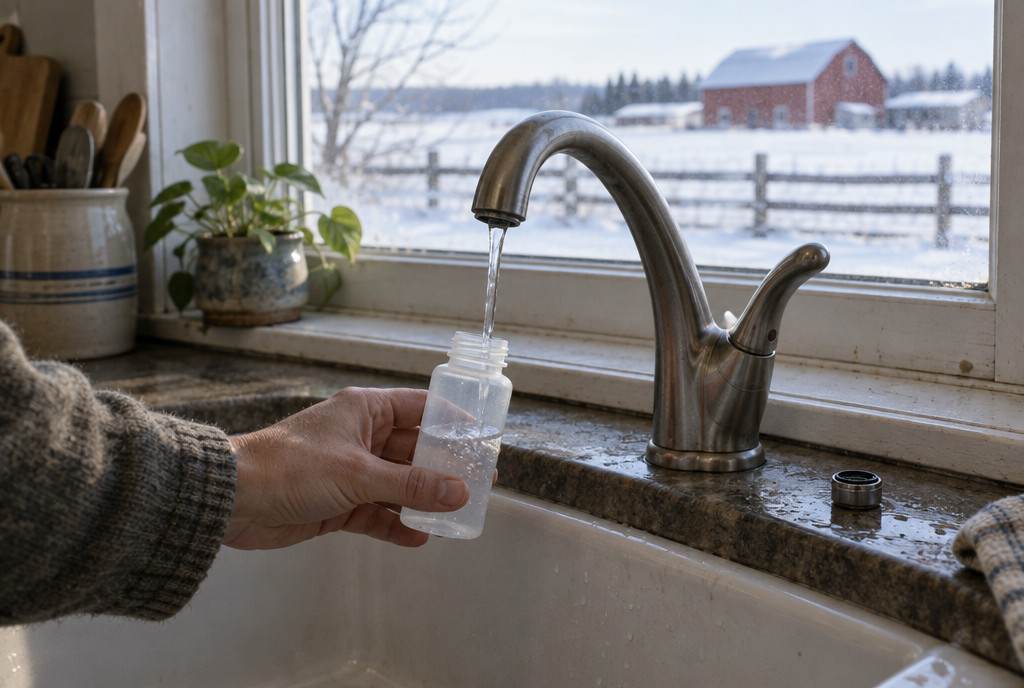
There's no free provincial service: send samples to a lab accredited by Quebec's environment ministry (the CEAEQ list), which supplies the bottles. The ministry recommends testing for bacteria at least twice a year, in spring and fall, plus a chemical analysis while the well is in use.
What to test for
- Bacteria (total coliforms and E. coli): at least once a year, and after flooding, heavy rain or work on the well.
- Nitrate, especially near farmland or septic systems.
- Metals and naturally occurring contaminants such as arsenic, uranium or manganese when a well is new and every few years after, depending on local geology.
Well water testing in Laval: common questions
Is well water testing free in Quebec?
There's no free provincial service: send samples to a lab accredited by Quebec's environment ministry (the CEAEQ list), which supplies the bottles. The ministry recommends testing for bacteria at least twice a year, in spring and fall, plus a chemical analysis while the well is in use.
How often should I test my well?
For bacteria, at least once a year and after flooding, heavy rain or well work; many health units recommend more often. Test chemistry when the well is new and every few years after.
Are private wells common in Laval?
Laval is largely urbanized and on municipal water, but it also has an agricultural zone.