How Burnaby is built
- Before 1961 18%
- 1961–1990 40%
- 1991–2000 15%
- 2001 or later 27%
When to book in Burnaby
Burnaby gets about 2,768 heating degree-days a year and has a winter design temperature of −4.4°C, according to NRCan's HOT2000 climate data for Vancouver International. With winters that mild, a 10°C difference isn't guaranteed every day, so book the scan for a cold morning or evening, and ask the advisor to reschedule if the forecast is too warm.
What the camera finds in Burnaby houses
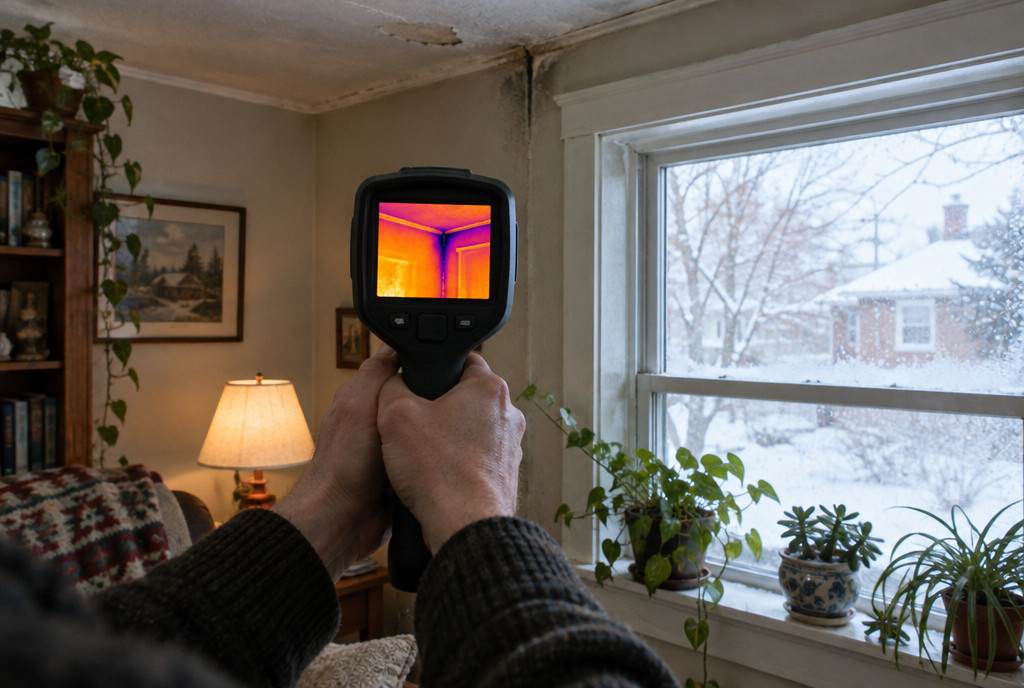
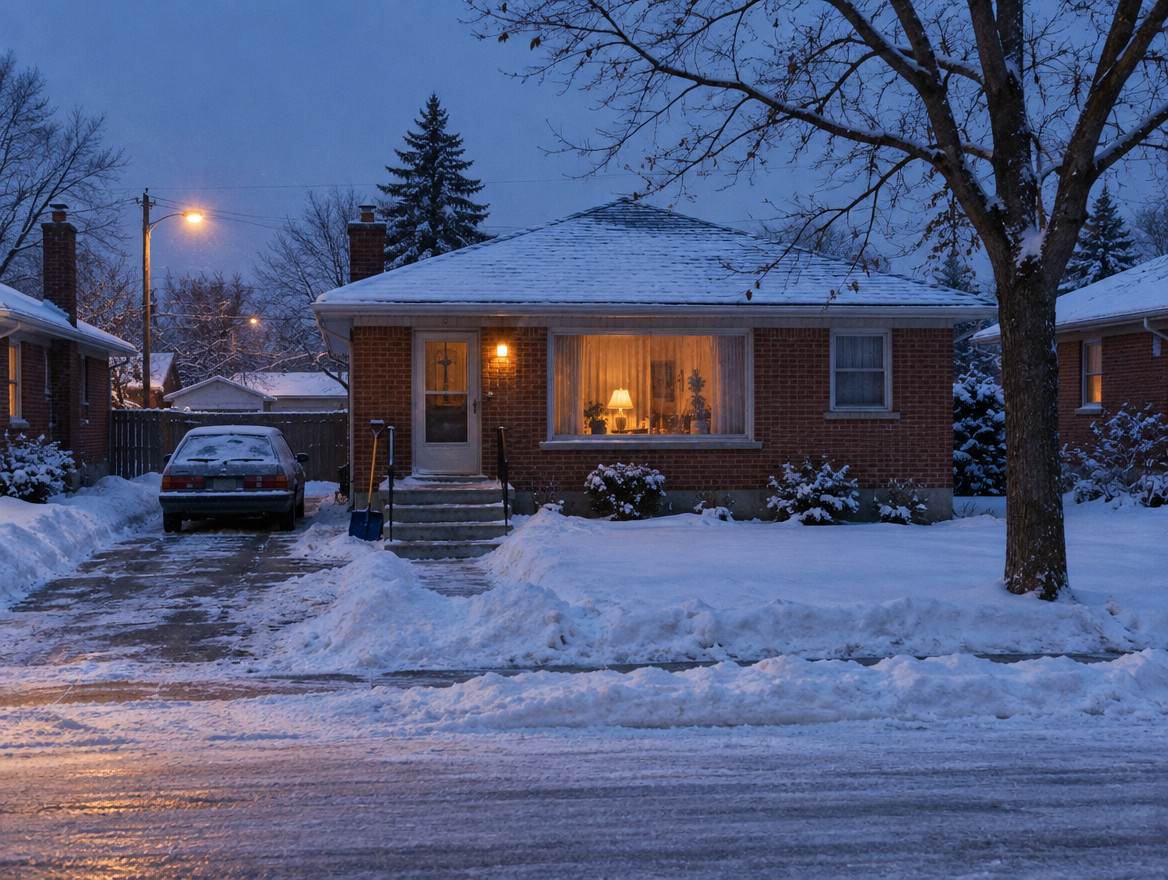
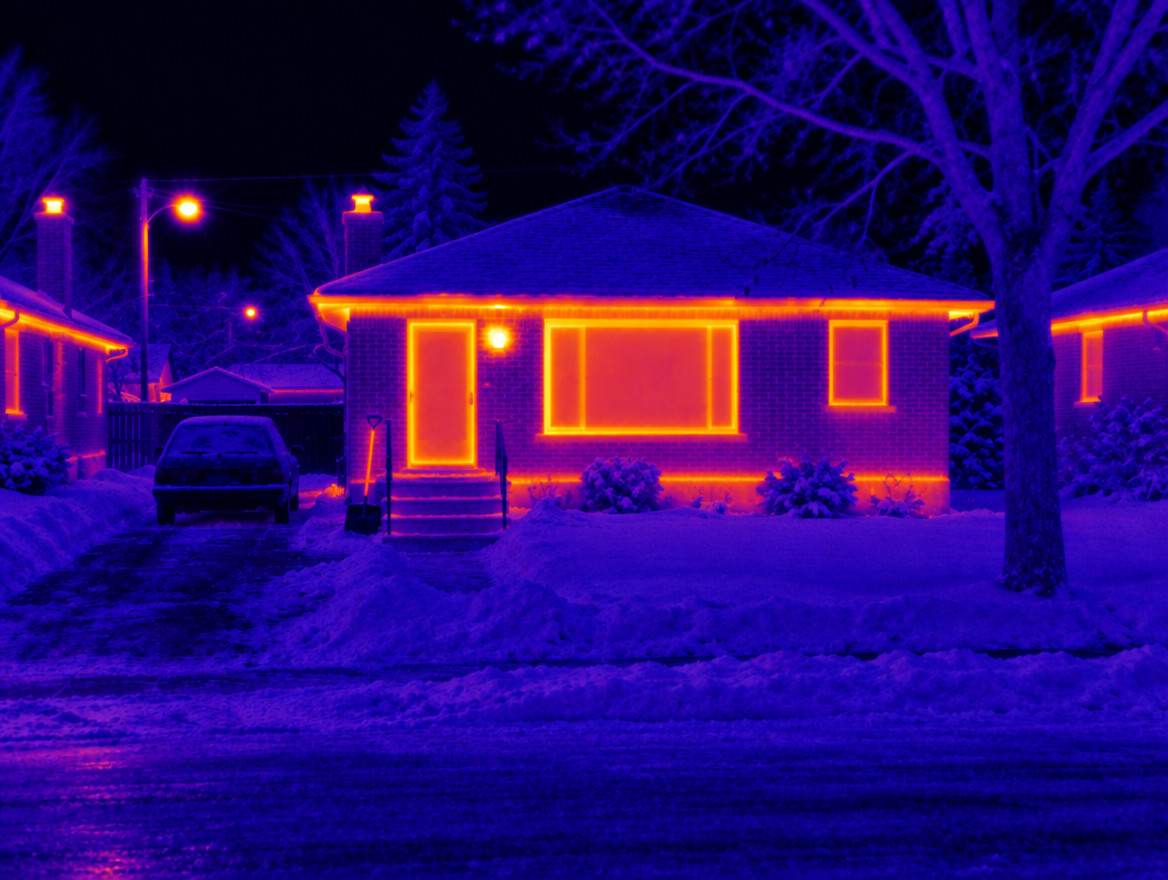
Of Burnaby's 47,540 houses (single-detached, semi-detached, row houses and duplexes), 18% were built before 1961 and 58% before 1991, according to the 2021 Census. Older houses are where the camera earns its keep: empty or settled wall cavities, gaps at the top of walls, and cold corners where framing bridges the insulation. Run it with the blower door test depressurizing the house and every leak shows up as a cold streak.
What it costs
Most EnerGuide advisors include an infrared scan with the evaluation, but it isn't required, so confirm when you book. There's no provincial price list; the City of Nanaimo quotes $400–$500 as typical for an existing home. Several B.C. municipalities subsidize evaluations for their residents (see local programs below).
NRCan-licensed service organizations serving Burnaby
Most EnerGuide advisors bring an infrared camera, but it isn't a required part of the evaluation, so confirm when you book. The scan is most useful with the blower door running.
- Acacia Engineering
- All Season Inspection Profile
- AmeriSpec Profile
- Canada Energy Audit Profile
- Capital Home Energy
- City Green Solutions
- Clean Energy Solutions
- Energy Werx Profile
- Enerhold Engineering Solutions
- Enerhome Consulting
- EnerSolution Profile
- EnerTech Solutions
- EnerVision
- Engreen Home
- ER Energy Solutions
- GETS Energy
- Green Canada Home Advisors Profile
- Green Think
- Greenbrain Profile
- Homesol Building Solutions
- HomeStep.ca
- HomeTech Energy Solutions
- Isle Energy Consulting
- NRGwise (A1 NRGwise Consulting) Profile
- Sensible Home Inspections
- The Energuy Profile
- VerdaTech Energy Management and Consulting
- CoEfficient Building Science
- ecoGEO Energy
Programs and local help in Burnaby
Thermal imaging inspection in Burnaby: common questions
When is the best time for a thermal imaging inspection in Burnaby?
Pick a cold morning or evening in winter; the camera needs at least a 10°C difference between inside and outside, which isn't guaranteed every winter day in Burnaby.
Can a thermal camera see through walls?
No. It reads surface temperatures. Missing insulation or an air leak shows up because it changes the temperature of the wall or ceiling surface.
Who does thermal imaging in Burnaby?
Most of the 29 NRCan-licensed organizations serving Burnaby bring an infrared camera to an EnerGuide evaluation; confirm when you book.