How Coquitlam is built
- Before 1961 8%
- 1961–1990 47%
- 1991–2000 18%
- 2001 or later 26%
Which Coquitlam homes are at risk
Of Coquitlam's 35,695 houses (single-detached, semi-detached, row houses and duplexes), 8% were built before 1961 and 55% before 1991, according to the 2021 Census.
- Built before 1960: probably has lead-based paint (Health Canada).
- Built 1960–1990: exterior paint may contain lead, and interior paint may contain smaller amounts.
- Built after 1990: consumer paints were virtually lead-free by then.
How to test
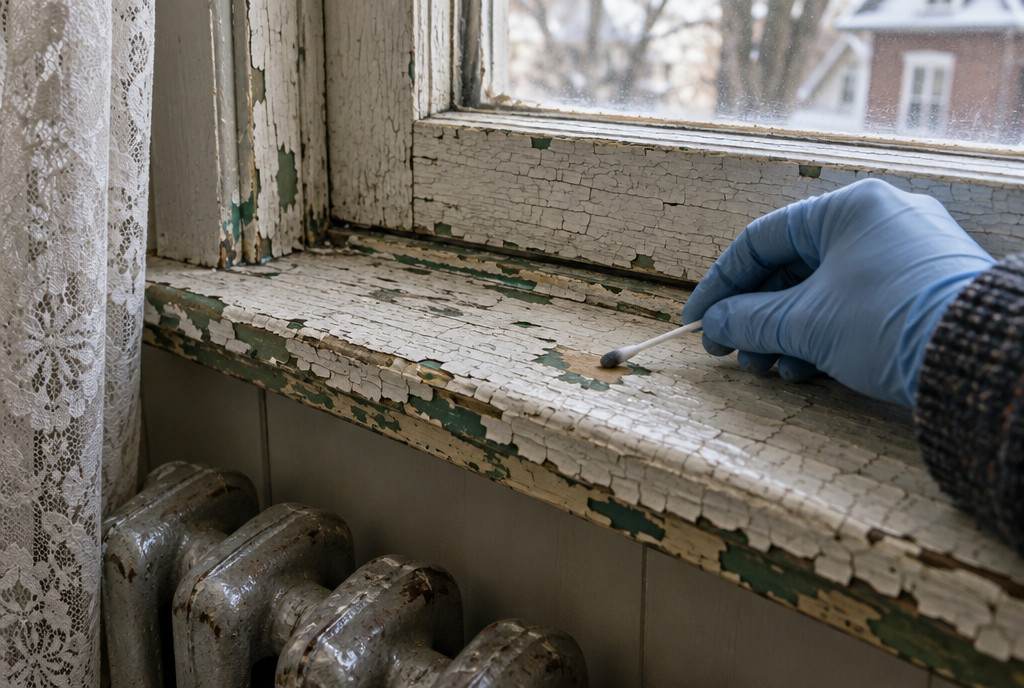
- Swab kits ($15–$40) give a quick screen of the surfaces you plan to disturb.
- For certainty, send paint chips to a lab accredited under AIHA's ELLAP program, or hire a firm with an X-ray fluorescence (XRF) analyzer.
- Test before sanding, stripping or replacing old windows and trim.
If it's positive
Don't dry-sand, use a heat gun or power-wash it. Contain the work area, mist surfaces, clean with a HEPA vacuum, and keep children and pregnant people away until cleanup is done. No province has a lead-paint rule aimed at homeowners, but contractors in B.C. and Yukon must include lead in pre-renovation or demolition hazard inspections.
Lead paint testing in Coquitlam: common questions
Does my Coquitlam house have lead paint?
If it was built before 1960, probably; 1960–1990, possibly on the exterior. Test the surfaces you plan to disturb.
Are lead test swabs reliable?
They are a useful screen. For renovation decisions, confirm with a lab analysis of paint chips or an XRF reading.
What does lead paint testing cost?
Swab kits run about $15–$40; lab analysis and XRF testing cost more and are quoted by the firm.