Article · verified October 2, 2026
Home renovation loans in Toronto: HELP, and what else actually exists
Search for renovation financing in Toronto and you'll find a graveyard of closed federal programs still being advertised. Here's what's actually alive in 2026 — led by the City program most homeowners have never heard of — and how an energy assessment turns borrowing into stacked rebates.
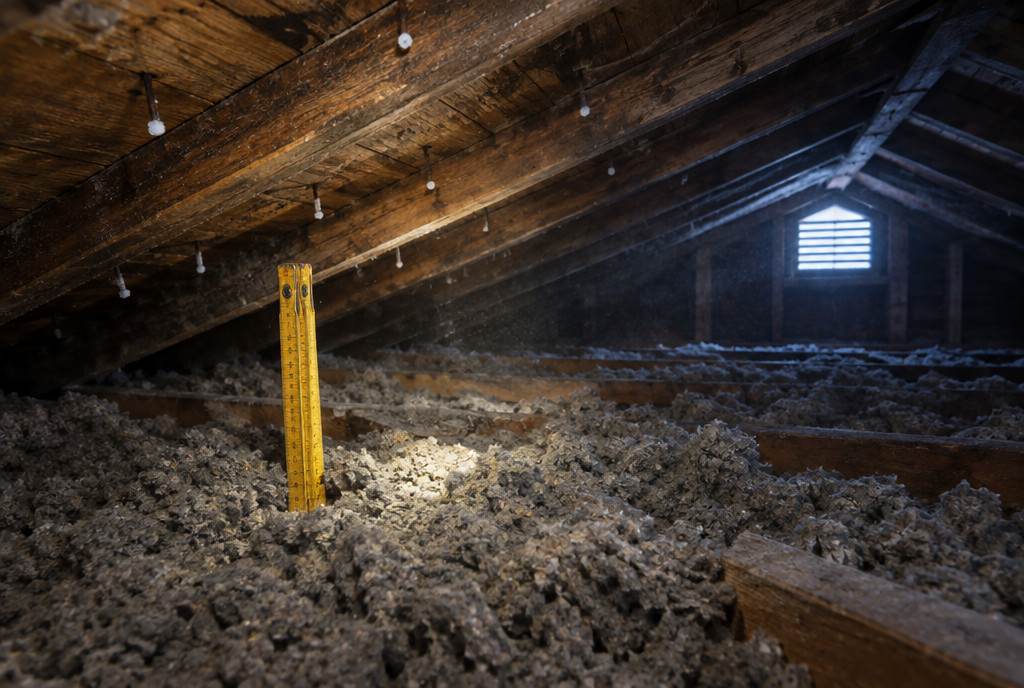
The one that's alive: Toronto's HELP
The Home Energy Loan Program is the City of Toronto's own financing for energy retrofits — insulation, windows, heat pumps, solar, geothermal — and it's open now (toronto.ca ↗, verified October 2, 2026). The shape of it: up to $125,000 or 10% of your property's assessed value, at fixed rates the City resets every quarter — the table valid until September 30, 2026 ran from 3.34% (5-year) to 4.75% (20-year), and the next one wasn't posted when we checked on October 2, so confirm current rates on the City's page. The 20-year term is reserved for solar, geothermal, windows, and heat pumps, a 2% administrative charge applies, and you repay through your property tax bill. A $50,000 loan over 10 years runs roughly $455/month on the City's own example. Most projects require an EnerGuide home energy assessment with a registered advisor first; heat-pump-only and solar-only projects are exempt.
The one that's gone (and still haunting Google)
The federal Canada Greener Homes Loan — $40,000, interest-free — closed to new applications October 1, 2025 when its funding was fully committed (NRCan ↗). No replacement was announced in Budget 2025. If a contractor or website is promising it, their information is at least a year old — a useful trust test we apply across our program tracker.
The refund that rides along: CMHC Eco Improvement
If you bought recently with a CMHC-insured mortgage, completing $20,000+ of eligible energy renovations earns a 25% refund of your mortgage insurance premium — applications within 2 years of closing (CMHC ↗, verified October 2, 2026). On Toronto premiums that's routinely thousands of dollars for work you were financing anyway. Only CMHC-insured mortgages qualify: Sagen's and Canada Guaranty's energy-efficiency refunds cover newly built homes, not renovations.
The rest of the toolbox
Beyond the programs: secured lines of credit, mortgage refinancing, and purchase-plus-improvements mortgages are the conventional routes banks offer for renovation money. Which fits depends on your rate, equity, and timeline — we're a directory, not a lender, so take the comparison to your broker or bank rather than to a website. (Nothing on this page is financial advice; it's the program map we verify so you can ask better questions.)
The sequence that maximizes it
Toronto's stack rewards a specific order: book the EnerGuide assessment first — it's the document HELP requires and the key to Home Renovation Savings' bundled rebates (insulation up to $7,700, $100 per window opening, the $600 assessment rebate), as long as you book it through one of that program's seven approved service organizations and finish the follow-up by December 31, 2026. Finance through HELP, collect the rebates against the same work, then claim CMHC Eco if you're an insured recent buyer. The planner builds your version of this sequence, and the Toronto directory lists every registered advisor who can start it.
Common questions
What is the Home Energy Loan Program (HELP)?
Toronto's City-run financing for home energy retrofits: up to $125,000 (or 10% of your property's assessed value, whichever is less), at fixed rates the City sets every quarter (the table valid until September 30, 2026 ran from 3.34% for 5 years to 4.75% for 20; check the City's current table) plus a 2% administrative charge. It's repaid through your property tax bill, and most projects require an EnerGuide home energy assessment first.
Is the Canada Greener Homes Loan still available?
No. The federal interest-free loan ($5,000–$40,000) closed to new applications on October 1, 2025, when its funding was fully committed. Many websites still advertise it — treat that as a sign the rest of their information is stale too. For Toronto homeowners, HELP is the closest living equivalent.
Does HELP stay with me or the house if I sell?
HELP is structured as a local improvement charge tied to the property and repaid via the property tax bill — an arrangement your lawyer and lender should review at sale or refinance time. Toronto's program pages cover the mechanics; ask the program team about discharge and assumption details before signing.
Can I stack HELP with rebates?
Yes — that's the play. A common Toronto sequence: EnerGuide assessment → HELP financing for the retrofit → Home Renovation Savings rebates on insulation ($7,700 max), windows, and heat pumps → the $600 assessment rebate → and for CMHC-insured recent buyers, the 25% Eco Improvement premium refund on top.
Sources
Start with the assessment HELP requires
We'll match you with a registered Toronto service organization — the first step for the loan and the rebates alike.
Email us what you’re planning, your postal code and the type of building (a house, a duplex or triplex, or a larger multi-unit building) — we’ll reply with registered service organizations for your area and which rebates apply.
Email dave@clickshift.ca